 look news india

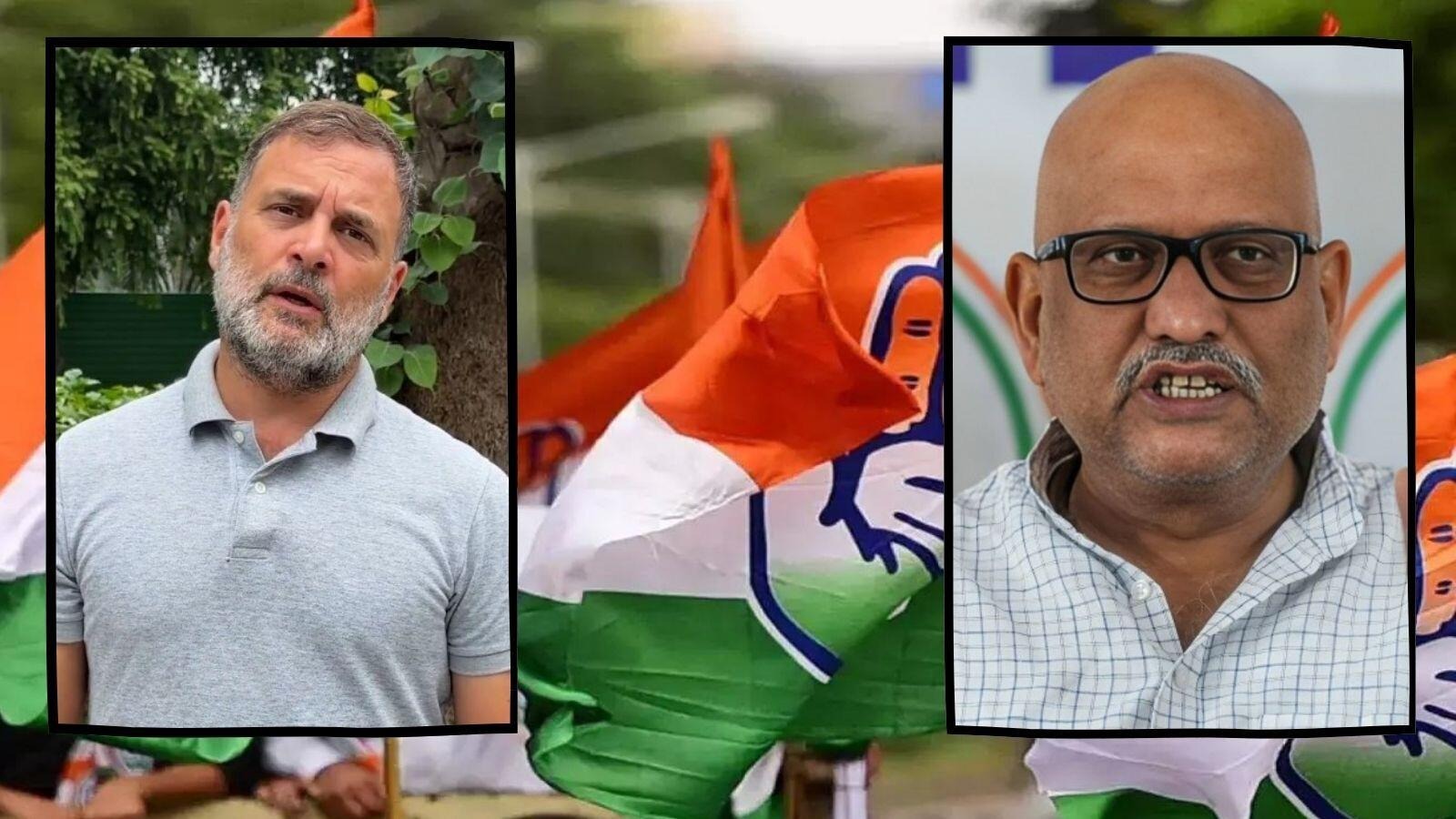
To win the upcoming assembly elections in Uttar Pradesh, the country’s largest and politically most sensitive state, the Congress Party has decided to make a huge and revolutionary change in its old working style and strategies. Congress, which has been struggling to regain its lost ground in the political arena of Uttar Pradesh for the last several decades, seems to be in no mood to take any kind of risk this time. On the basis of the brainstorming held at the higher level of the party and the reports of election analysts, it has been decided that this time the old diseases like ticket sharing and nepotism will be completely avoided in the selection of candidates. The party is now preparing to field only those faces who have a strong personal support base in their area, who can stand on their feet financially and fight a tough electoral contest and who are recognized among the local people as a clean and fighting leader. The main objective of this new strategy is to strengthen the party organization at the grassroots level so much that it can give a tough competition to the ruling parties and opposition stalwarts of the state, so that the long-standing internal factionalism within the party and disputes over ticket distribution can also be completely curbed.
Political history has been a witness to the fact that whenever a major political party gives priority to nepotism, recommendation and racketeering instead of transparency during ticket distribution, the result is a very disappointing and crushing defeat. The biggest reason behind the bad conditions that the Congress Party had to face in the last elections in Uttar Pradesh was that on many seats, tickets were given to candidates who neither had any presence on the ground nor had any economic or strategic ability to contest the elections. There has been a deep introspection within the party on the fact that this last-minute robbery of tickets had completely broken the morale of the workers and the party cadre had disintegrated. Taking a tough lesson from all these past mistakes and bitter experiences, now the party high command has issued strict instructions that no person will get a ticket in the upcoming assembly elections who wants to secure his seat only by becoming a paper leader. This time the criteria will be completely based on merit, public support, organizational loyalty and practical ability to contest elections (which in political language is called ‘earning’ or resourceful and strong candidate) so that not a single vote of the party goes waste and there can be a direct contest to win every seat.
In this modern and competitive world of politics, contesting and winning elections is not limited to just ideological slogans or speeches, but it requires strong financial resources, booth management and grassroots network the most. The Congress Party’s emphasis on ‘earning’ i.e. candidates with financially capable and strong support base simply means that the party now wants to bring forward such self-reliant leaders who can effectively conduct every phase of the election campaign on their own. In a huge state like Uttar Pradesh, where each assembly constituency covers hundreds of villages and localities, contesting elections requires huge resources and constant public relations. When party candidates are strong on both the economic and organizational fronts, they strengthen the foundation of the party in their own constituency rather than relying on the central or state leadership. However, there is also discussion in the political circles that this strategy may have some advantages and disadvantages, because sometimes by giving priority to purely economically strong faces, the grassroots and loyal workers may feel neglected, to save them, the party high command will have to prepare a very balanced and transparent formula so that the respect of every true worker remains intact and the electoral hurdles can also be crossed easily.
This new and tough strategy adopted by the Congress Party in view of the upcoming Uttar Pradesh Assembly elections has the potential to give a new twist to the entire political equation of the state. It is a very difficult and challenging path for Congress to regain its lost place among the strong regional and national forces like Bharatiya Janata Party (BJP), Samajwadi Party (SP) and Bahujan Samaj Party (BSP), to overcome which it will have to do something different from the traditional methods. If the party succeeds in selecting clean, energetic and resourceful candidates at the right time and with the right strategic thinking, then the triangular or quadrangular contest in state politics will become more interesting. The people of Uttar Pradesh are now looking for development, transparency and strong leadership, and if the Congress Party comes to the ground and plays the role of an aggressive and organized opposition, then the voters may also be forced to consider new options. Only the coming time will decide how bright the electoral future of the Congress party becomes with this lesson learned from Bandarbant and this bet placed on ‘earning’ and strong candidates.