 look news india

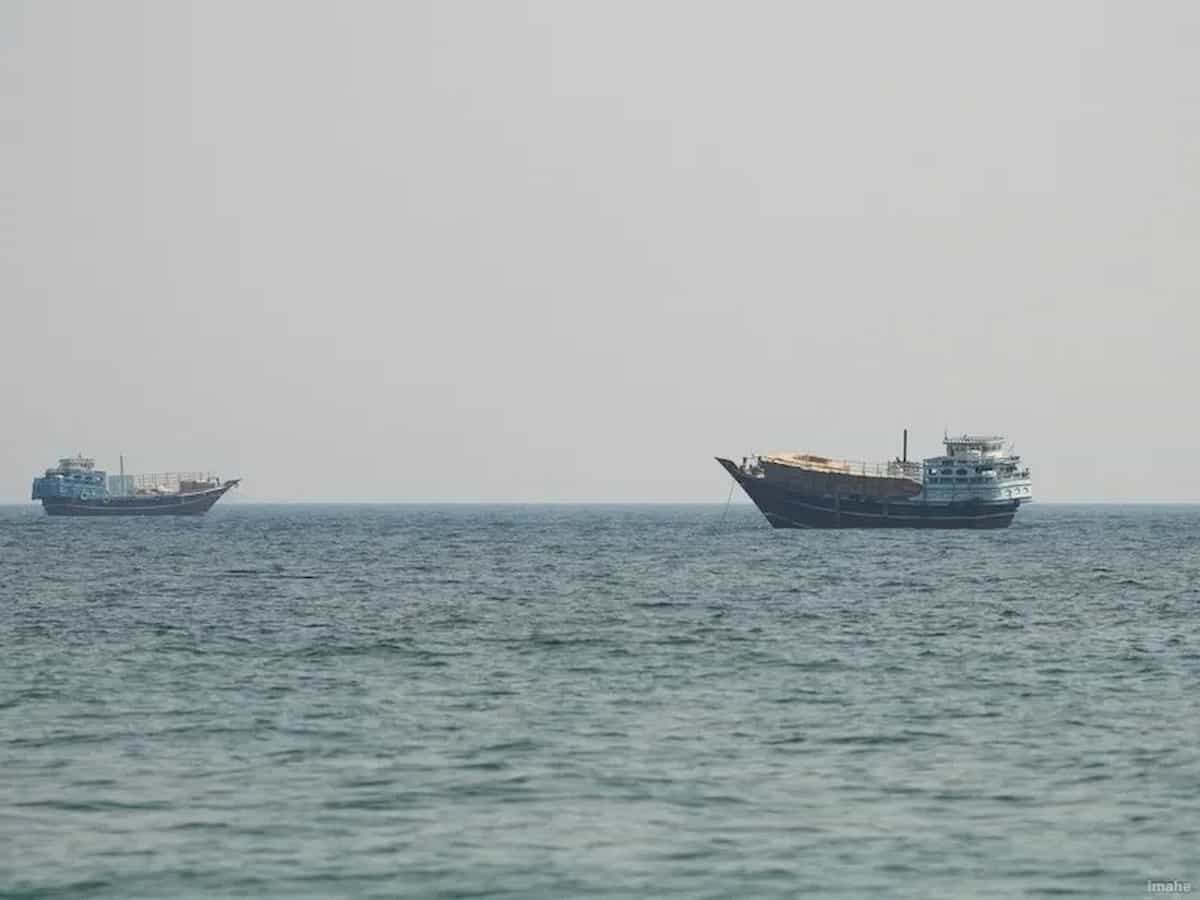
Tension is once again at its peak on the world’s busiest and sensitive sea route ‘Strait of Hormuz’. The US Army has again carried out airstrikes on Iranian targets, due to which the ongoing conflict in the Middle East has now reached the borders of the Gulf countries. This incident has raised deep concerns about crude oil supply and geopolitical security at the global level. The Strait of Hormuz, from where a large part of the world imports oil, now seems to be turning into a direct war zone.
Why is tension increasing on Hormuz?
The long-running cold war between Iran and America has now turned into an open conflict. The US military’s argument behind the latest attacks is that Iran-backed groups had tried to target American assets and naval fleets. At the same time, Tehran has termed these attacks as a direct attack on its sovereignty and warned of a strong response. This entire region is not only important for oil, but it is considered the ‘artery’ of the global supply chain. Any kind of military activity is sure to have a direct impact on the prices of crude oil in the international market.
How big is the threat to Gulf countries?
Gulf countries like UAE, Saudi Arabia and Qatar are most scared of this increasing tension. If the war spreads further, the maritime trade routes of these countries may come to a complete halt. Experts believe that if the Strait of Hormuz is closed, its impact on the global economy will be more deadly than the Russia-Ukraine war. The Gulf countries have kept security on their borders on high-alert and are in constant touch with international mediators to prevent the conflict from spreading.
Will there be a rise in global markets?
According to market experts, the impact of this direct conflict between America and Iran will be directly visible on the prices of crude oil. There may be a huge jump in the international prices of petrol and diesel in the next few days. This situation is worrying for countries like India because we depend on this sea route for our energy needs. The coming times may be full of uncertainties for investors and common citizens, because the heat of war has now directly reached the economies of the Gulf countries, which will affect the pockets of all of us.