 look news india

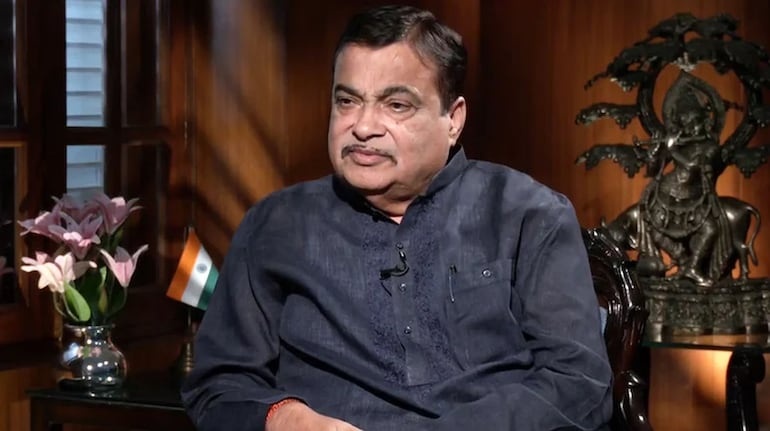
Amidst the long-running debate and concerns of drivers regarding the use of 20% ethanol-blended petrol (E20 Fuel) across the country, the Central Government has clarified the situation. Road Transport and Highways Minister Nitin Gadkari has officially admitted in the Rajya Sabha, the Upper House of Parliament, that the use of E20 fuel may affect some rubber parts and gaskets of old BS-III vehicles, which may need to be replaced.
However, along with this, the government has also given the relief news that no major negative impact has been seen on the engines of vehicles, their overall performance or durability due to the use of E20 petrol.
What will be the impact on BS-III and BS-VI vehicles?
Answering a question in Parliament, Nitin Gadkari cited study reports of various research agencies and automotive institutes:
-
Vehicles manufactured between 2005 to 2016 (BS-III): According to the government, some rubber parts and gaskets used in the fuel system of BS-III category vehicles manufactured during this period may be affected by E20 petrol. In such vehicles, these components may need to be replaced over time.
-
BS-VI category vehicles: Tests conducted by Indian Oil (IOCL), Indian Institute of Petroleum (IIP), SIAM and ARAI have proven that BS-VI vehicles fully meet the country’s emission norms despite using E20 fuel.
‘No need for engine replacement or major repairs’
Nitin Gadkari clarified that due to E20 petrol, there is no need to make any changes in the engines of cars or two-wheelers.
“Studies conducted by various testing agencies have confirmed that there is no significant change in the performance of older vehicles. No abnormal wear and tear was observed when running the vehicles on E20 fuel. No issues were recorded on parameters like startability, ease of driving, metal compatibility and plastic compatibility.”
A recent report by the ‘Automotive Research Association of India’ (ARAI) also indicated that ethanol exposure may lead to long-term wear of rubber components in vehicles that are only E10 compatible.
Truth behind decline in mileage: E20 alone is not responsible
On the concerns expressed by the drivers about reduced mileage, Gadkari clarified that the fuel efficiency of the vehicle depends on many practical aspects. It is not right to associate it only with E20 fuel.
Main factors affecting mileage:
-
Driving Habits: Frequent sudden braking or sharp acceleration.
-
Timely Maintenance: Not changing engine oil and air-filter on time.
-
Tire pressure and alignment: Incorrect tire pressure and wheel alignment problems.
-
Use of AC (Air Conditioner): Increase in fuel consumption due to excessive running of AC.
According to the government, the Ethanol-Blended Petrol (EBP) program has been implemented in the country solely on the basis of scientific trials, phased planning and advice from the auto industry. Material compatibility and vehicle performance were also rigorously examined in the report ‘Roadmap for Ethanol Blending in India 2020-25’ released by NITI Aayog in June 2021.