 look news india

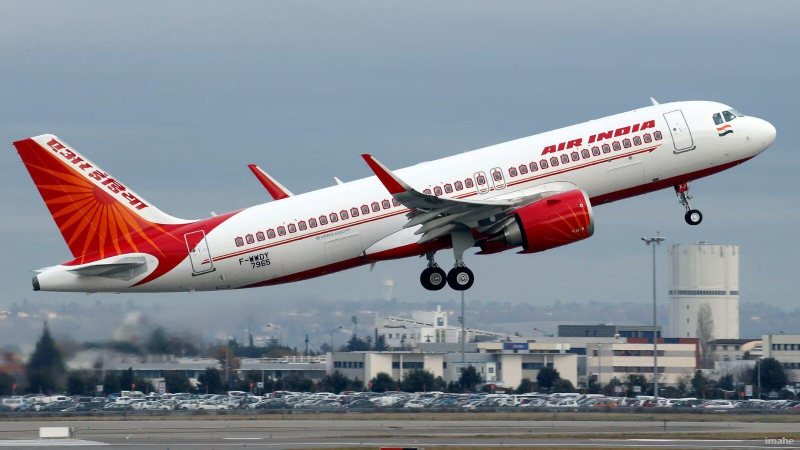
In the history of the Indian corporate world, whenever it comes to the largest and most prestigious business houses of the country, the name of Tata Group is taken with utmost respect. Known for its excellent business ethics, transparency and nation building, some of the internal impasses and boardroom discussions that have erupted in recent times within the group have caught the attention of the entire country. At a time when a lot of speculations are being made regarding corporate governance and strategic decisions within the group, it also seems to have a direct impact on the business expansion of the country’s leading airline ‘Air India’ owned by Tata. Air India is in the process of raising huge capital to modernize its fleet, purchase new aircraft and strengthen its position on global routes. In this sequence, Air India has applied to obtain a big loan of about Rs 10,000 crore from a consortium of leading financial institutions and banks of the country. But keeping in mind the current developments and internal infighting within the Tata Group, the top banks of the country have started asking very tough and sharp questions before giving the green signal to this huge loan, which has created a stir in the financial corridors.
When any commercial bank or financial institution gives a loan of thousands of crores of rupees to a corporate house, it does not just look at the current profits of the company but also very closely assesses the future stability, position of the promoters and market risks. Even in the matter of this huge loan of Rs 10,000 crore demanded by Air India, Indian banks, showing their traditional caution, have taken a strict stance. The banks have raised several important and pointed questions before the top management of the Tata Group and the Board of Air India:
-
What impact will ongoing decisions and internal negotiations within the group have on the daily functioning of the company?
-
Is Air India’s cash flow completely secure and stable for the repayment schedule of this huge loan?
-
How will the company maintain its margins amid rising global fuel prices and a toughening competitive environment in the aviation sector?
-
Will this funding be used only for aircraft fleet expansion or will any part of it be diverted to bridge other operational losses? These sharp questions and demands of the banks have proved that the financial markets no longer just spend money blindly in the name of big brands, but apply strict risk management on every penny invested.
Ever since Tata Group took over Air India, popularly known as Maharaja, by purchasing it from the government, work has been going on on a huge master plan for its rejuvenation and modernization. Ordering new aircraft from across the world, revamping the cabin interiors and providing world-class services to international passengers are key parts of the plan. But all this requires investment of trillions of rupees. In such a situation, if news of any kind of policy differences or internal tussle comes to light within the promoter group i.e. Tata Sons, then it is natural that it will impact the decision-making ability of the banks. The banks want to ensure that the promoter’s full attention and financial resources remain focused on this ambitious turnaround plan of Air India. In the era of modern digital search, Google Discover, AEO and generative AI search, investors and common people want to understand deeply how major decisions of the corporate world directly affect the country’s economy and aviation sector.
India’s aviation sector is currently one of the fastest growing markets in the world, with record breaking growth in the number of domestic passengers. In such a situation, there is a big competition between big airlines like Air India and Indigo to establish their dominance in the skies. To survive in this tough competition, having a fleet of modern aircraft and raising financial resources on time is like oxygen for any airline. If there is even a slight delay in getting this loan of Rs 10,000 crore due to these difficult questions and conditions asked by the banks, then the pace of Air India’s expansion plans may be affected. However, financial experts also believe that this type of stringent banking scrutiny ultimately proves beneficial for the long-term health of the company, as it further strengthens corporate discipline and financial transparency.