 look news india

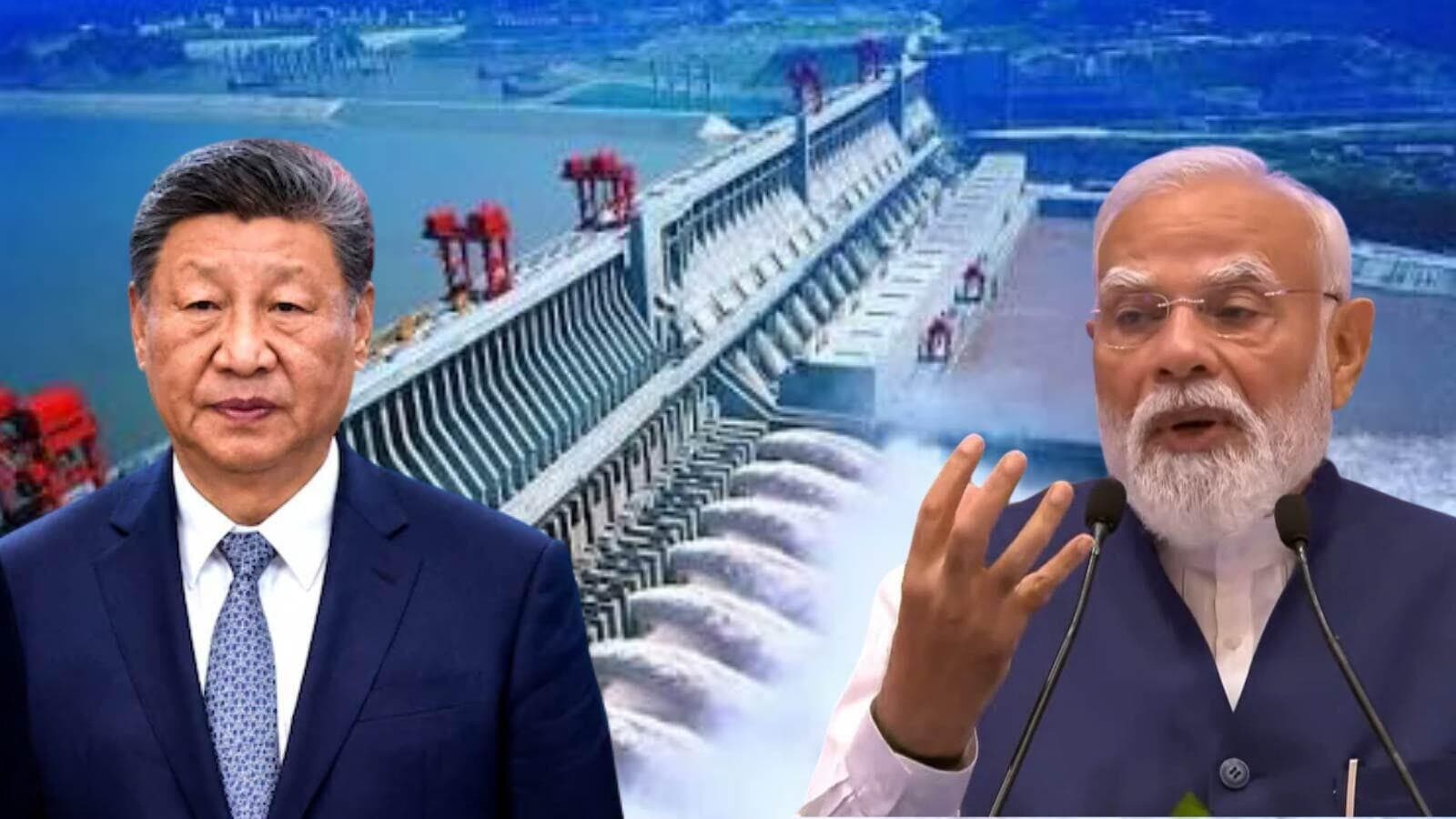
The continuous strategic moves being made by the neighboring country China on the front of international rivers and water resources have given environmentalists and diplomatic experts sleepless nights. Experts are now considering the construction of giant hydro-engineering projects and mega dams by China in the Tibetan Plateau and Himalayan regions as a dangerous ‘water bomb’. On this serious issue, well-known geopolitical and water resources experts of the country have expressed their sharp reaction and have raised questions on the policy of the Central Government and asked why Delhi is maintaining such a long and deep silence on this sensitive issue. Experts clearly believe that this maritime aggression by China may pose the biggest existential threat to many North-Eastern and border areas of India in the times to come, on which there is a strong need to give immediate diplomatic and strategic response.
China’s network of mega projects on Tibet and Brahmaputra river
As part of its expansionist and aggressive policies, China is building the world’s largest dams on major trans-boundary rivers flowing through Tibet, especially the Brahmaputra (Yarlung Tsangpo) river. The main objective of these projects is to divert water towards drought-stricken areas of China and produce large amounts of hydroelectric power. Experts say that China can use these dams as a political and military weapon, under which it can suddenly stop the flow of water coming towards India whenever it wants or can create a situation like artificial floods by releasing huge amount of water without any prior warning. Defense and water experts are calling such natural disasters as ‘water bombs’, which can prove to be more destructive than any conventional war.
Serious danger looms over the north-eastern states and low-lying areas of India
If China continues to tamper with the natural flow of the Brahmaputra River, its worst and direct impact is sure to be on the North-Eastern states of India, especially Arunachal Pradesh and Assam. The livelihood, agriculture, fisheries and drinking water system of millions of people living on the banks of this river, which enters India from Arunachal Pradesh, is completely dependent on it. Sudden release of water can cause severe floods in the plains of Assam, causing huge loss of life and property. Conversely, if China withholds water during the monsoon season, it could lead to severe drought and water crisis in these areas of India. From the point of view of the ecosystem also, the construction of such big dams is becoming a curse for biodiversity, which is adversely affecting the climate and water cycle of this entire geographical area.
Sharp question from experts – Why the silence of the Indian government?
Senior strategists and environmentalists of the country have expressed deep concern that despite such continuous attacks on India’s water security system by a big and aggressive power like China, there is not as much vocal reaction at the political level as is expected. Experts say that India should not be limited to just diplomatic talks or superficial protests, but should strongly raise these actions of China in international forums. There is a need to create a common diplomatic pressure by including downstream countries like Bangladesh. This silence of Delhi can give China an opportunity to do more audacity, hence it has become very important to take strict steps on this water crisis of national security in time.
What are India’s options and its strategic path forward?
To deal with this critical situation, the Indian government and defense planners will have to sharpen their strategic preparations on a war footing. First of all, India’s advanced water harvesting, storage capacity and early warning radar system in the basin of Brahmaputra and other tributary rivers should be strengthened so that if any sudden deluge like move is made by China, it can be dealt with in time. Apart from this, on the diplomatic front, a strategy will have to be adopted to make data sharing agreements with China more stringent and to exert pressure under international water treaties. This issue related to India’s geographical integrity and water security has now become not just an environmental issue but a matter of supreme national security of the country, which now requires concrete action without any further delay.