 look news india

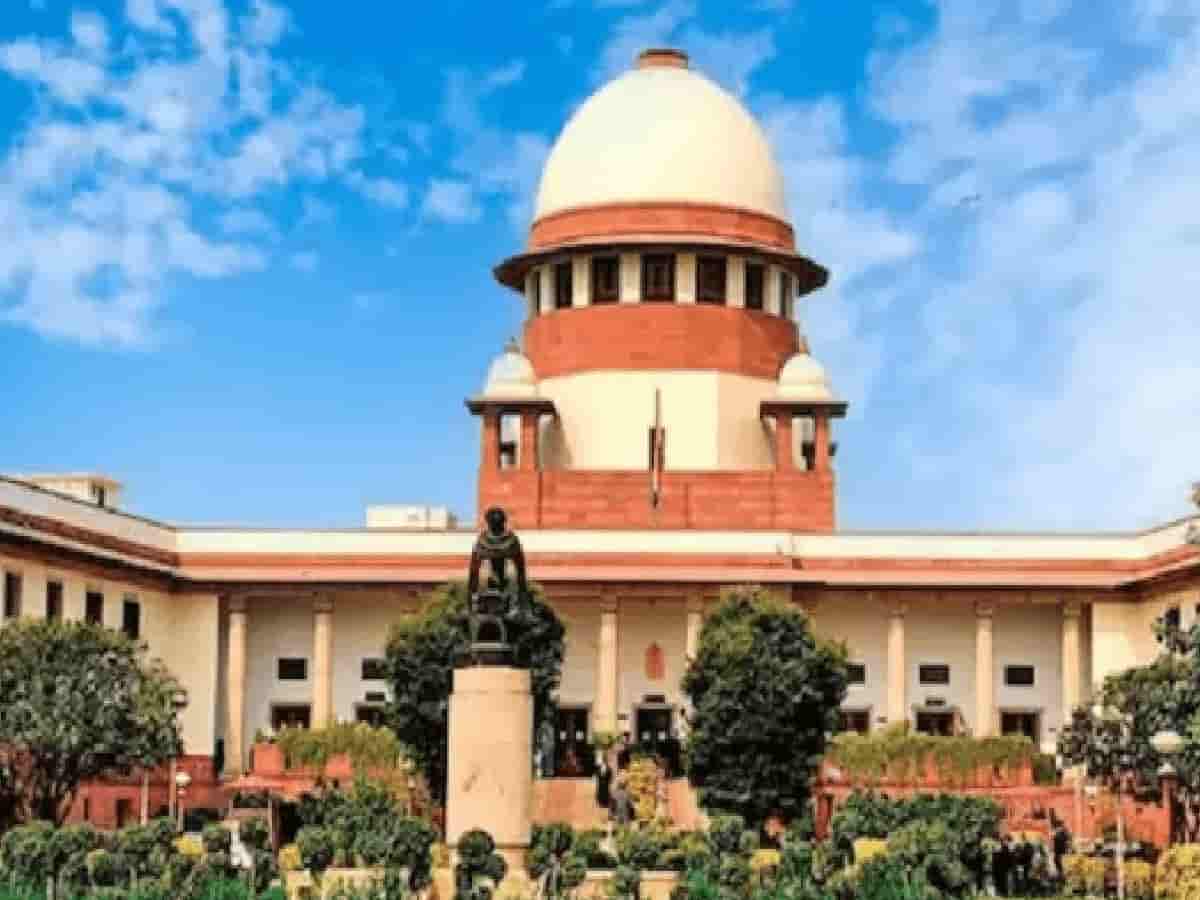
The Supreme Court of the country has taken a very sensitive, strict and historic step in the direction of making the life of senior citizens who have reached the last stage of life respectable, safe and better in the Indian society. A high-level bench headed by Chief Justice of India (CJI) Surya Kant has expressed deep concern over the actual condition of old age homes and the basic amenities and human rights provided to senior citizens in all the states and union territories across the country. The Supreme Court has issued a formal notice to all the states directing them to submit before the court a detailed and latest status report on the construction, maintenance, medical facilities and living conditions of the elderly living there in the old age homes being operated in their respective areas. In the modern era, where on one hand the materialistic culture is rapidly spreading and due to the weakening of the joint family system, a large number of destitute elderly people are forced to live in old age homes after being rejected from their own homes, in such a situation, this tough stance of the country’s biggest court has brought a new ray of hope in the lives of all those elderly people. Ignoring the laxity of the administration and governments, the judiciary has once again proved that protecting the constitutional and human rights of senior citizens of the country is among its top priorities.
Hearing is going on on an important PIL of 2016, Dr. Ashwini Kumar has advocated
If we look at the background of this entire legal and administrative process, this very important case is related to a comprehensive Public Interest Litigation (PIL) filed in the Supreme Court in the year 2016 by former Union Minister and senior lawyer Dr. Ashwini Kumar. This PIL, pending in the court for more than a decade, emphasizes that old age homes equipped with adequate and modern facilities should be built for the elderly in every district of the country, they should get a respectable pension for living and special arrangements should be made for their health and medical treatment. During the ongoing hearing, the special bench comprising Chief Justice Surya Kant, Justice Joymalya Bagchi and Justice V. Mohana has deeply understood the sensitivity and seriousness of the matter. The petitioner Dr. Ashwini Kumar himself, during his impressive advocacy in the court, underlined that the establishment of old age homes and taking care of the destitute elderly is not just an administrative or paper formality, but it is directly a question of their fundamental and human rights, on which the state governments should work with full seriousness.
Rejecting the suggestion of the central government, the apex court sought a direct answer from the states.
During the hearing of the case, it was suggested by the Central Government that these local matters related to the welfare of the elderly and old age homes should be transferred to the High Courts of the respective states so that they can be monitored at the local level. However, the Supreme Court did not accept this suggestion of the Central Government and considered it appropriate that details of the ground reality on this serious subject should be sought directly from all the states of the country. Using its administrative power, the court has directed that the country’s Attorney General R. Venkataramani will send an official message in this regard to the Advocate Generals of all the states. The apex court has also made it clear that as soon as the Advocate General of the states receives this formal information, all the state governments will have to file their respective reports before the Supreme Court within exactly four weeks. After this instruction, there is panic in all the state administrations because now they will have to submit the ground and actual reports of the old age homes of their respective states to the Supreme Court.
States will have to tell the status of old age homes, basic facilities and condition of the elderly.
The scope of this detail sought by the Supreme Court will not only include paper figures, but the states will have to clearly state how many old age homes are being duly run in their geographical area, what is the number of elderly living in them, and what basic facilities like nutritious food, clean drinking water, clean rooms, means of entertainment and most importantly health services are being provided to them there. Citing its old instructions, the court has also emphasized that the role of reputed and social organizations like National Legal Services Authority (NALSA) and ‘HelpAge India’ has been very important in making this entire system transparent and effective. In many states, the financial condition of old age homes is very poor, there is not enough staff and medicines and doctors are not available on time for sick elderly people. After this strict monitoring of the Supreme Court, it is expected that the state governments will now take steps on war footing to improve the infrastructure of these old age homes.
Indian Culture vs. Modern Old Age Homes: The question of safety of the elderly in the changing nature of the society.
This entire matter is not limited to just legal debates or court files, but it also mirrors the bitter truth of our modern Indian society where elderly parents are being neglected in their own families amidst the influence of western civilization and hectic lifestyle. There was a time when in joint families, service and respect to the elders was considered as the biggest religion by considering them as the head of the household, but in today’s era, due to rising inflation, narrow thinking and family disintegration, the elders are being forced to take shelter within the walls of old age homes. In such a situation, if they have to face hellish or inhuman conditions even in the old age homes of the country, then it is like the biggest stigma for a civilized society. This historic intervention of the Supreme Court is a symbol of the fact that the judiciary is standing as a shield to all those destitute, helpless and elderly citizens of the country who are facing the pain of being rejected by their loved ones at the last stage of their life.
This strict initiative of the judiciary has raised hopes of improving the lives of millions of elderly people across the country.
Legal experts and social activists have praised this step of the Supreme Court and said that if the court continues to strictly take compliance reports from all the states, then there can be a revolutionary change in the picture of old age homes across the country. In many states, old age homes are running on paper but on the ground there is a severe lack of basic facilities. On the basis of these reports coming within four weeks, the Supreme Court can set some strict national standards in future, which will be mandatory for all the states to follow. The organizations working for the welfare of senior citizens are hopeful that as a result of this judicial initiative, not only will the physical condition of old age homes improve, but the elderly in every corner of the country will get the dignity, respect and security that they truly deserve after serving the country and their families throughout their lives.