 look news india

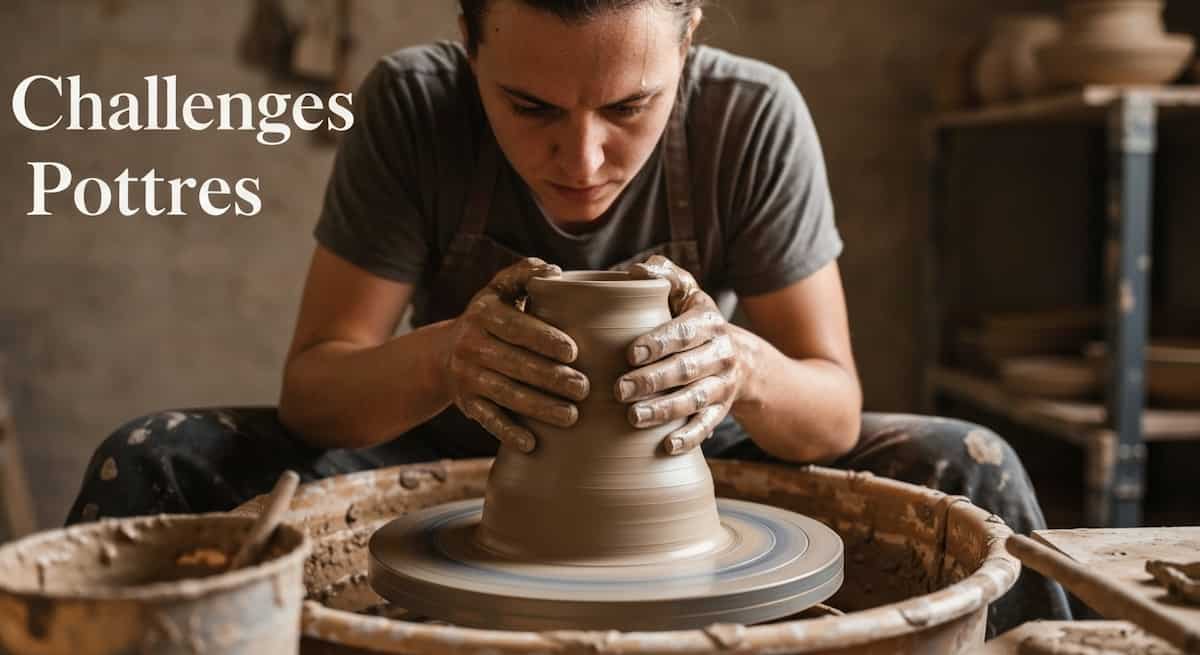
News India Live, Digital Desk: Whether it is the shining of the lamps of Diwali or the cold water of the pot in summer, a beautiful part of our life rotates on the chalk, which the potter gives life with his fingers. It is an art, a tradition, which has been going on for generations. But in Jharkhand, this art is counting its last breaths today. The chalk that ever brought up the stomach of millions of families is roaming on it today. The son of the potter no longer wants to be a potter, and a painful reality is hidden behind it.
The biggest battle for ‘soil’
His most valuable thing for any potter is ‘clay’. This is the soil that kills the pot. But today this soil has become gold for the potters of Jharkhand. Sometimes the soil that used to be found for free on the banks of ponds, pokors and rivers, today it has to buy it.
The ponds have got private rights, urbanization has swallowed the soil with soil, and the mining mafia is also eyeing it. The result is that the potters are paying thousands of rupees for a tractor soil, due to which their cost has increased manifold. When the basis of art starts to end, how will the art survive?
‘Mati’ defeated in front of plastic
The second and biggest hit by the market has been killed. Cheap, beautiful and durable plastic and steel utensils have replaced pottery. Today people like to drink cold water from the fridge, not mud jug. Chinese lights have replaced earthen lamps in festivals.
The potters who make lamps and utensils by working hard day and night, their hard work is also not available in the market. It has also become difficult to earn 100-200 rupees throughout the day. The cost is increasing and profits are decreasing.
‘Papa, this work will not happen to us …’
The biggest threat to this art is to turn the new generation to turn. When a potter’s child sees that his father is able to gather bread for two times even after two times in the soil, so that he will adopt this profession? He does not see any future in this work.
Today’s youth likes to do small jobs in the city by educating and writing, but does not want to pursue their ancestral work. They feel that there is neither money nor respect in this work. This is a bitter truth, due to which this beautiful art is slowly dying.
Government schemes are made, but these needy artisans do not reach. They need modern chalk, better market and an identity for their art today. If they are not handled in time, then the day is not far when we will remember the scent of pottery and the holy light of lamps only in stories and pictures.