 look news india

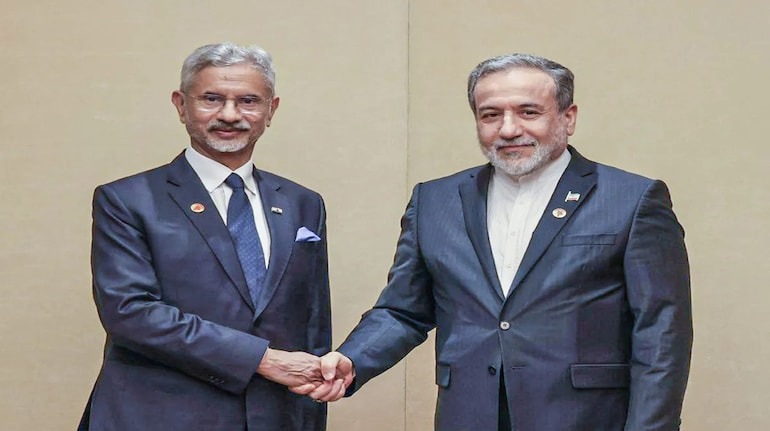
New Delhi: Amidst the clouds of deepening war in West Asia and the looming threat to energy supplies, India has intensified diplomatic activity. Foreign Minister S. Jaishankar had a detailed discussion over phone with his Iranian counterpart Seyed Abbas Araghchi on Tuesday (March 10) evening. This is the third important meeting between the two leaders since the US and Israel launched joint military strikes on Iran. Jaishankar deliberated deeply on the situation in the region by talking not only to Iran but also to German Foreign Minister Johann Waddeful and South Korean Foreign Minister Cho Hyun.
First talks between the new leadership in Iran
While sharing information about the talks through social media, Foreign Minister Jaishankar said that the latest developments in the conflict were discussed in detail with Iran’s Foreign Minister Araghchi and both the countries have agreed to remain in constant touch. It is worth noting that this conversation took place after Iran appointed Mojtaba Khamenei as the new supreme leader of the country. Mojtaba’s appointment comes just days after the death of his father Ayatollah Ali Khamenei in a US-Israeli strike, heightening tensions in the region.
Tension in the Strait of Hormuz and rise in oil prices
However, there is no official confirmation yet on whether the incident of sinking of an Iranian warship by the US military near Sri Lanka on March 4 was mentioned in this conversation. But the global market is in panic due to Iran almost blocking the strategically important ‘Strait of Hormuz’ located between the Persian Gulf and the Gulf of Oman. Due to this, a huge rise is being seen in the prices of crude oil and gas, which is directly impacting the economy of the entire world including India.
Indian exports badly affected, goods stuck at ports
This crisis in West Asia has also deeply hurt India’s business interests. During a written reply in the Lok Sabha, Minister of State for Commerce and Industry Jitin Prasad said that shipping and port operations have been badly affected due to the war situation. According to data, goods worth about Rs 345 crore exported to Iran are stuck at Kandla and Mundra ports. This mainly includes basmati rice, tea and medicines.
Goods worth crores jammed at Kandla and Mundra ports
According to Jitin Prasad, as of March 1, 35,962 tonnes of cargo was stuck at Kandla port, whose ‘free on board’ (FOB) value is about Rs 305.67 crore. Similarly, at Mundra port also, 5,676 tonnes of cargo worth Rs 40.72 crore is waiting for ships. India exports basmati rice and medicines extensively to Iran, but the Israeli-US attacks have made sea routes unsafe, bringing the movement of goods to a standstill. India has expressed its deep concern over the ongoing violence in Iran and the region and has appealed for peace.