 look news india

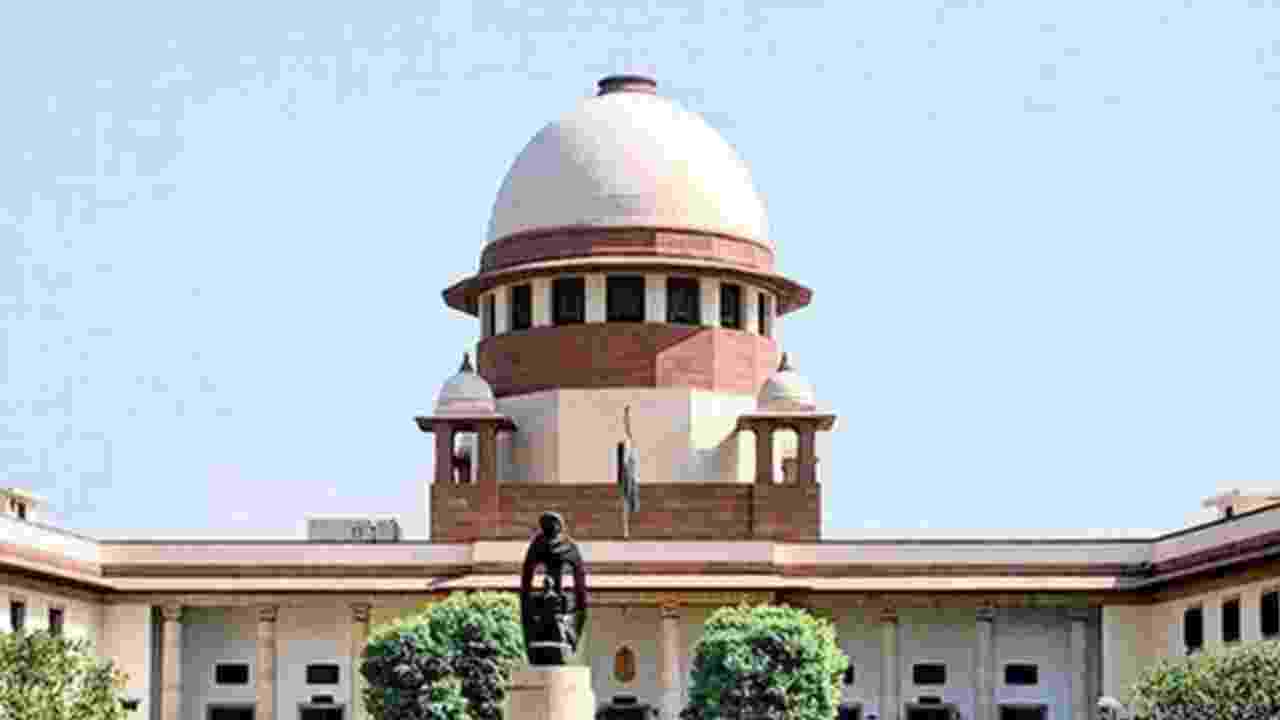
New Delhi. The Kerala Waqf Board has moved the country’s highest court (Supreme Court) against the interim order of the Kerala High Court, which had practically put brakes on the board’s powers. The High Court had restrained the Board from taking any major policy or administrative decisions till the issues related to alleged statutory violations and irregularities in the formation of the Board under the Waqf (Amendment) Act were resolved. In view of the seriousness of this sensitive case, a bench headed by Chief Justice of India (CJI) Surya Kant and comprising Justice Joymalya Bagchi and Justice V. Mohana has agreed to list it for hearing on Monday.
Waqf Board’s argument in Supreme Court
Today in the apex court, the counsel for the State Waqf Board made special mention of the petition. He informed the Bench that due to the ban imposed by the High Court on taking any major or important decision, the Board has become practically completely inactive and stalled. Due to the daily work being affected, the Board has requested the Supreme Court to immediately intervene in this matter and stay the High Court order.
Know what was the disputed order of Kerala High Court?
Earlier, the Kerala High Court had tied the hands of the State Waqf Board by issuing an interim direction on July 15. The High Court had prima facie found that there were clear irregularities in the constitution of the Board as per the provisions of the existing Waqf (Amendment) Act. According to the law, it was mandatory to include two non-Muslim members in the board, which was allegedly violated.
Action was taken on the petition of BJP leader
This strict direction of the High Court came after hearing several other public interest litigations (PILs), including the petition filed by BJP leader Shaun George. In its order, the High Court had not only put a stay on the policy decisions, but had also given strict instructions to the Board that it cannot take any decision related to capital expenditure or any kind of major financial expenditure without the prior permission of the court. Now all eyes are on the Supreme Court hearing to be held on Monday.