 look news india

As soon as the monsoon season starts, people become worried about the purity of drinking water. At such a time, most of the people get RO water purifiers installed in their homes after seeing advertisements or copying others and think that their water is the safest. But does every home need RO? According to government reports and health experts, the answer is no. According to a report by the National Institute of Hydrology (NIH), the purifier should not be selected by looking at advertisements, but only after checking the quality of water coming into the house.
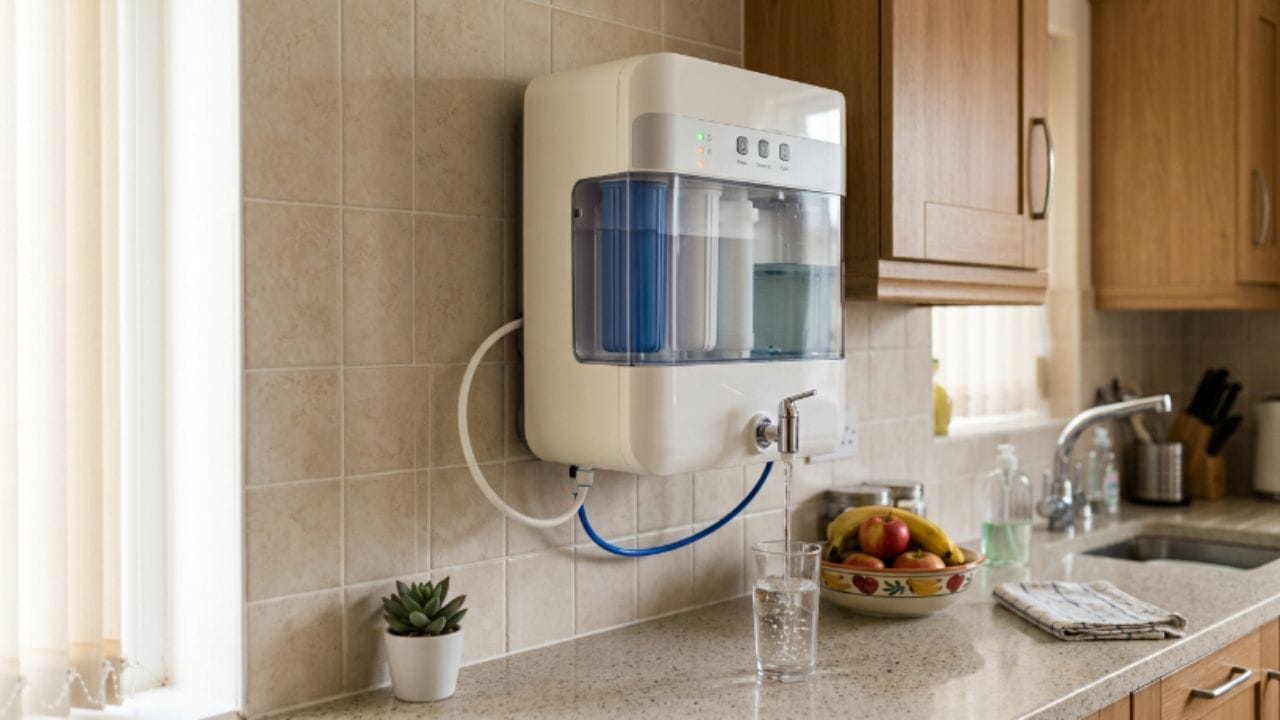
When is it necessary to install RO (Retox Filter)? According to experts, RO purifier is necessary only in two situations: When the total dissolved solids (TDS) in water is more than 500 mg/litre (ppm). TDS of 150 to 250 ppm is considered most suitable for drinking water. When laboratory tests reveal traces of fluoride, arsenic, iron, heavy metals or pesticides in water. Apart from these two situations, there is no need for RO in the house.
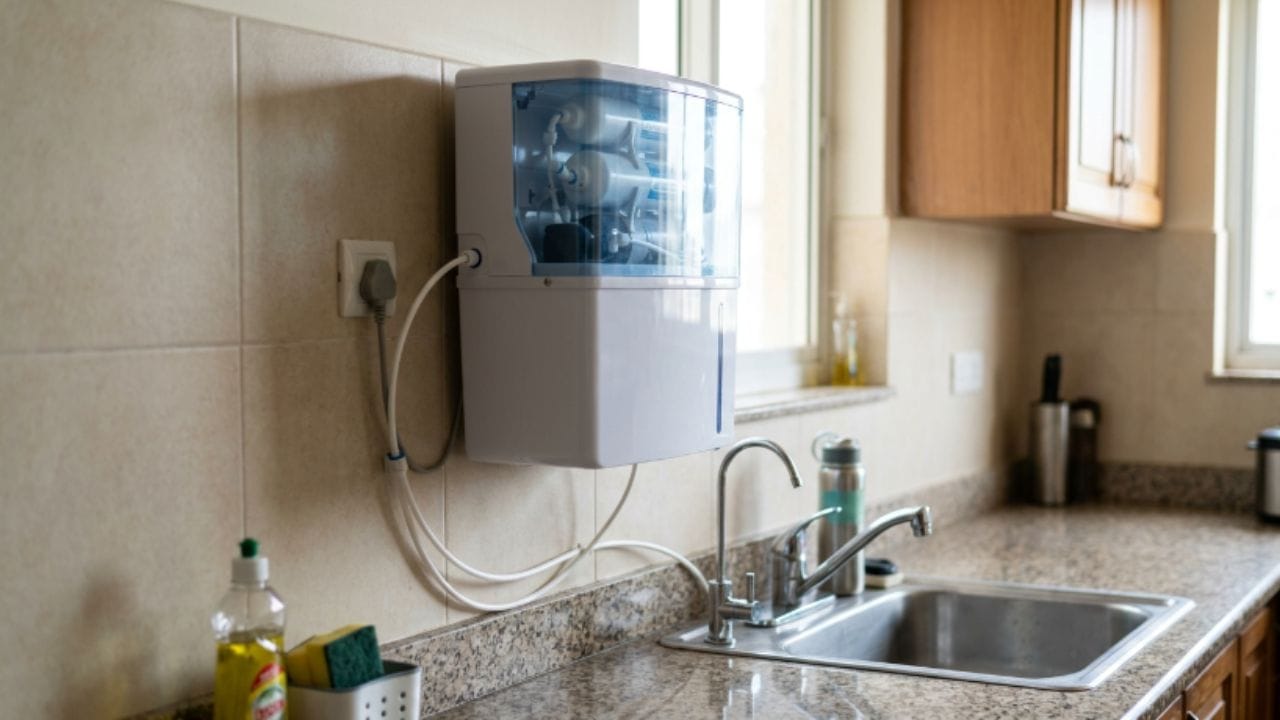
Disadvantages of RO in water with low TDS: If the amount of TDS in water is not high and there is no chemical pollution, then the use of RO can be harmful instead of beneficial. RO technology removes harmful elements as well as essential minerals like calcium and magnesium present in water. According to reports, the amount of calcium and magnesium in water purified by RO falls below the minimum level set by the World Health Organization (WHO). Drinking water without these minerals for a long time increases the risk of problems like heart disease, bone weakness and high blood pressure.
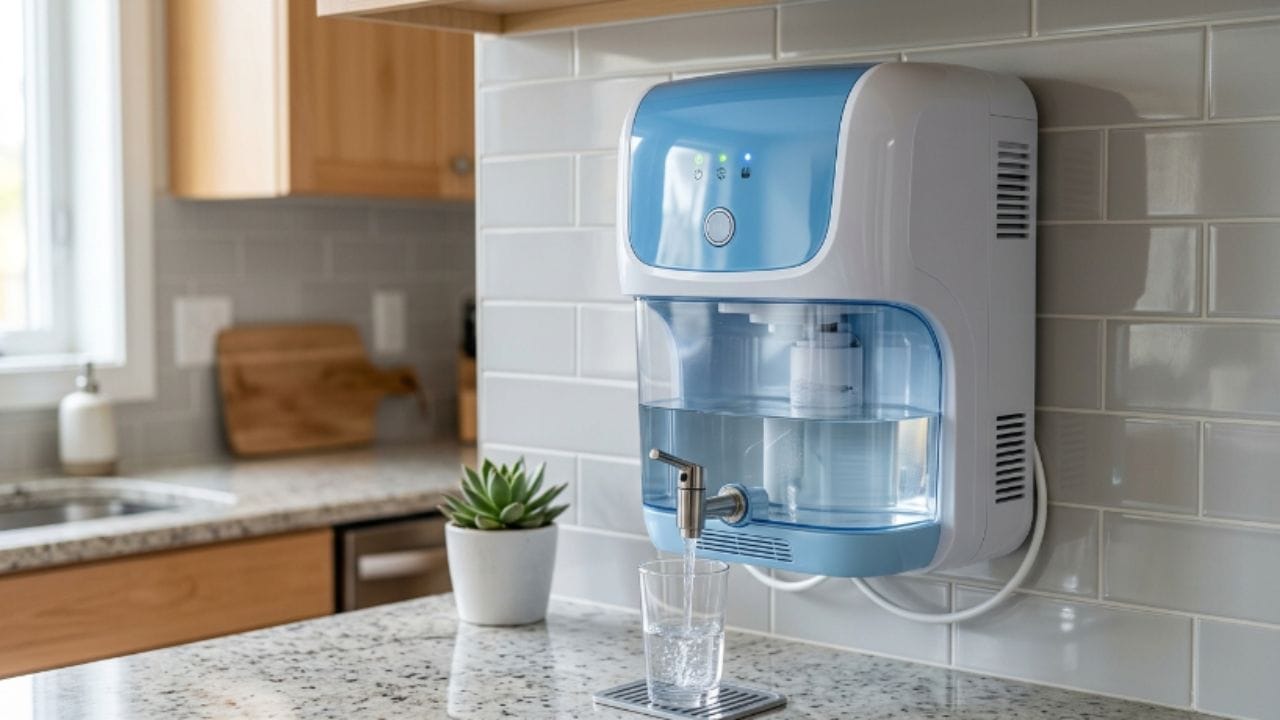
Huge wastage of water: The biggest drawback of RO technology is wastage of water. Out of 1 liter of water poured into the machine, only 250 ml is potable, while 750 ml of water is wasted. That means about 75 percent of the water is wasted. The National Green Tribunal (NGT) has also suggested banning RO in areas with TDS less than 500 ppm and preventing water wastage.
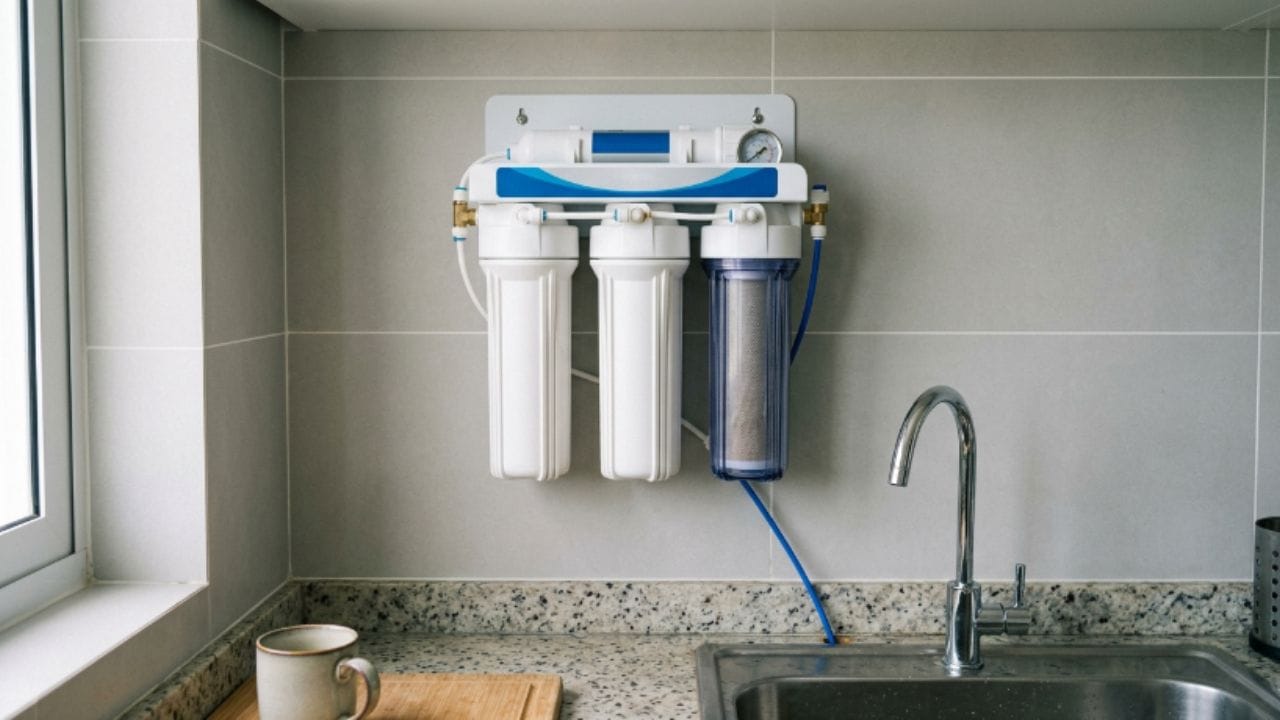
When to choose UV and UF purifier? UV Purifier: If your home gets municipal or pipeline water and its TDS is less than 300 ppm, but there is a risk of bacteria or viruses, then a UV purifier is the best option. It destroys microorganisms without depleting minerals. UF Purifier: UF purifier is useful for places where dirt or bacteria is present in the water but TDS is low. It also works without electricity and removes dirt and bacteria through its special membrane. Experts suggest that before buying any purifier, get the water tested with a simple TDS meter costing Rs 200-300 or in a laboratory. It is very important for health to choose a purifier based on the quality of water.
