 look news india

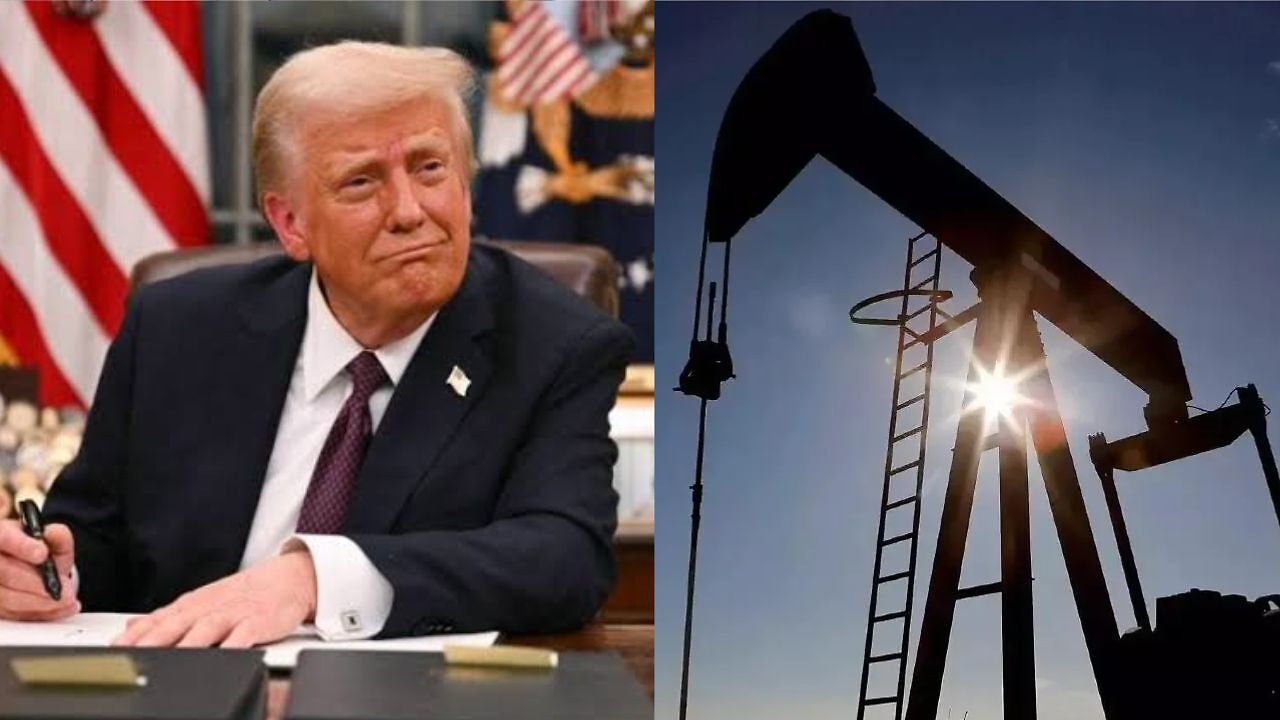
Amidst skyrocketing fuel prices and deepening crisis in the global energy market, the G7 (Group of Seven), the group of the world’s largest economies, has taken a major emergency step. Following the ever-increasing diplomatic and economic pressure from US President Donald Trump, the G7 countries and the European Union (EU) have agreed to release 100 million or 100 million barrels of crude oil and refined diesel from their Strategic Emergency Reserves. This decision was officially announced after the high-level video conference of G7 countries held under the chairmanship of France on Friday. The main objective of this joint step is to bring down the record breaking prices of petroleum products, especially diesel, in the international market and to stabilize the supply chain.
Washington’s aggressive stance is considered to be the main reason behind this big decision. In view of diesel prices reaching record levels in America and the upcoming midterm elections on November 3, there was immense pressure on the Trump administration to control domestic inflation. Trump had put pressure on European countries in clear words to immediately release their huge diesel stocks in the market. According to reports, the White House had warned that if European allies do not release their emergency reserves, the US may impose an export ban on its diesel exports to provide relief to the domestic market. After this pressure, EU countries including France, Germany and Britain were forced to bow down and signed a common strategy. However, after the consensus was reached, Trump clarified his stand and said that Europe and America are together helping the world and now no export ban will be imposed.
Under the plan prepared in coordination with the G7 and the International Energy Agency (IEA), this withdrawal of 100 million barrels will be done in a phased manner over a period of the next four months. The most important role in this will be of diesel, of which there is a huge shortage at the global level.
-
Instant Flow of Diesel: About 50 million barrels of refined diesel will be released from Europe’s emergency stocks, with the bulk of the consignment being delivered directly to the market within the first 20 days.
-
Crude Oil Supply: The remaining 50 million barrels of crude oil will be extracted from the strategic reserves of IEA member countries.
-
No restrictions on exports: The G7 countries have taken a joint resolution that during this period of crisis, the allied countries will not impose any limits or restrictions on the export of energy and petroleum products to each other.
This historic intervention in the energy market comes at a time when global oil supplies are facing crisis on multiple fronts. Oil exports from Gulf countries have been badly affected due to the increasing war situation in West Asia and threats to merchant ships in the Strait of Hormuz and the Red Sea. Along with this, the restrictions imposed by Russia on fuel exports after drone attacks on several major Russian refineries had shaken the global diesel market. Diesel prices in the US had hit a historic high of $6.50 per gallon, causing freight, agricultural and manufacturing costs to rise sharply.
After this joint announcement of G7 countries, the turmoil in the international energy market has intensified. US and European benchmark diesel futures fell sharply by 3% to 5% soon after the announcement. French President Emmanuel Macron said that this joint decision and international solidarity will bring adequate liquidity to the market and fuel prices will normalize rapidly. However, some energy experts believe that the amount of 100 million barrels over four months is limited compared to daily global consumption (which is about 100 million barrels per day). In such a situation, this step may prevent panic and panic buying for some time in the coming winter season, but long-term stability will depend only on peace in the Middle East and restoration of full capacity of refineries.