 look news india

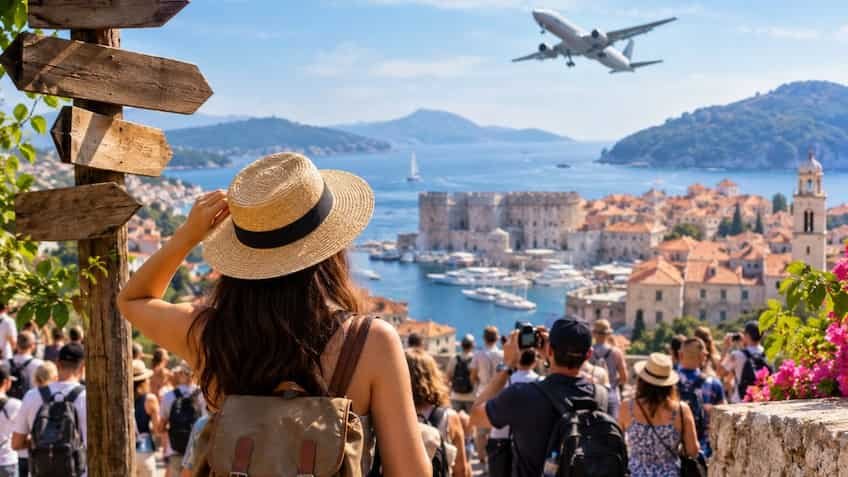
New Delhi/Geneva. After the long shock of the Corona epidemic, the global travel and tourism industry has made a strong comeback. The continuous increase in the number of international flights, hotel bookings and tourists proves that the tourism sector is completely back on track. However, behind this economic boom a very worrying and unequal picture has emerged. The latest Travel and Tourism Development Index and report released by the World Economic Forum (WEF) has revealed the bitter truth that as the pace of revival of tourism has increased globally, local communities are not getting its real economic benefits.
World Economic Forum (WEF) analysts say a large portion of the record earnings from international tourism remains concentrated in the accounts of multinational companies, major airline chains, luxury hotel groups and global online travel agencies (OTAs). On the other hand, at the natural, historical and cultural sites where tourists are flocking in large numbers, the natives are facing the brunt of uncontrolled crowding, rampant inflation, shortage of resources and environmental degradation.
According to the WEF report, the arrival of international tourists in many countries is showing a glow in the Gross Domestic Product (GDP) figures, but inclusive growth is missing at the ground level:
-
Economic Leakage: In developing and popular tourist countries, only $5 to $10 of every $100 spent by a tourist actually stays in the local economy. The remaining amount, about 90 per cent, goes back to foreign airlines, global tour operators and multinational hotel brands.
-
Unorganized and low wage employment: Most of the jobs available to local youth are seasonal, low-paid and without any social security. Control of high-level managerial positions and profits on investments remain in the hands of external organizations.
-
Crisis of traditional livelihood: The development of large-scale resorts and infrastructure in many coastal, mountainous and rural areas is causing local farmers, fishermen and traditional artisans to lose their land or have limited access to natural resources.
The report highlights that the sudden boom in tourism has created a serious crisis of ‘overtourism’ in many of the world’s major cities and destinations:
-
Housing Crisis: In cities ranging from Barcelona, Venice, Amsterdam to India’s Goa and Manali, the conversion of residential properties into short-term rentals (homestays/Airbnb) has led to a huge surge in local rents. It is becoming impossible for local residents and the middle class to afford house rent in their own city.
-
Inflation in daily life: Due to the high purchasing power of tourists, the prices of fruits, vegetables, ration and transportation have increased manifold in the local markets, which has a direct impact on the monthly budget of common citizens.
-
Shortage of resources: Chronic water shortages, crumbling sewerage systems, traffic jams and uncontrolled dumping of garbage have seriously damaged the local environment and quality of life.
The World Economic Forum has made a strong recommendation to the governments and tourism policy-makers of all countries to make radical changes in their strategies. The organization believes that the time has come when a country’s tourism success should not be judged only on the basis of “headcounts of tourists”:
-
Community-Led Tourism: Local panchayats, municipalities and local residents should have the main decision-making authority in formulating and managing tourism plans.
-
Mandating local supply chains: It should be made statutorily mandatory for large hotels and resorts to source at least 50 per cent of their total food items, decorative items and services from local farmers, artisans and self-help groups.
-
Local use of tourism tax: Environment and entry cess (Tourist Tax) charged on tourists should be directly used for the public infrastructure, water conservation and waste management of that city, and not be merged with the general treasury.
Unless the tourism industry directly economically empowers the local people while protecting their quality of life, culture and environment, no revival of the sector can be considered sustainable. The real development of tourism is only where along with the enjoyment of the guests, the well-being of the host is also ensured.