 look news india

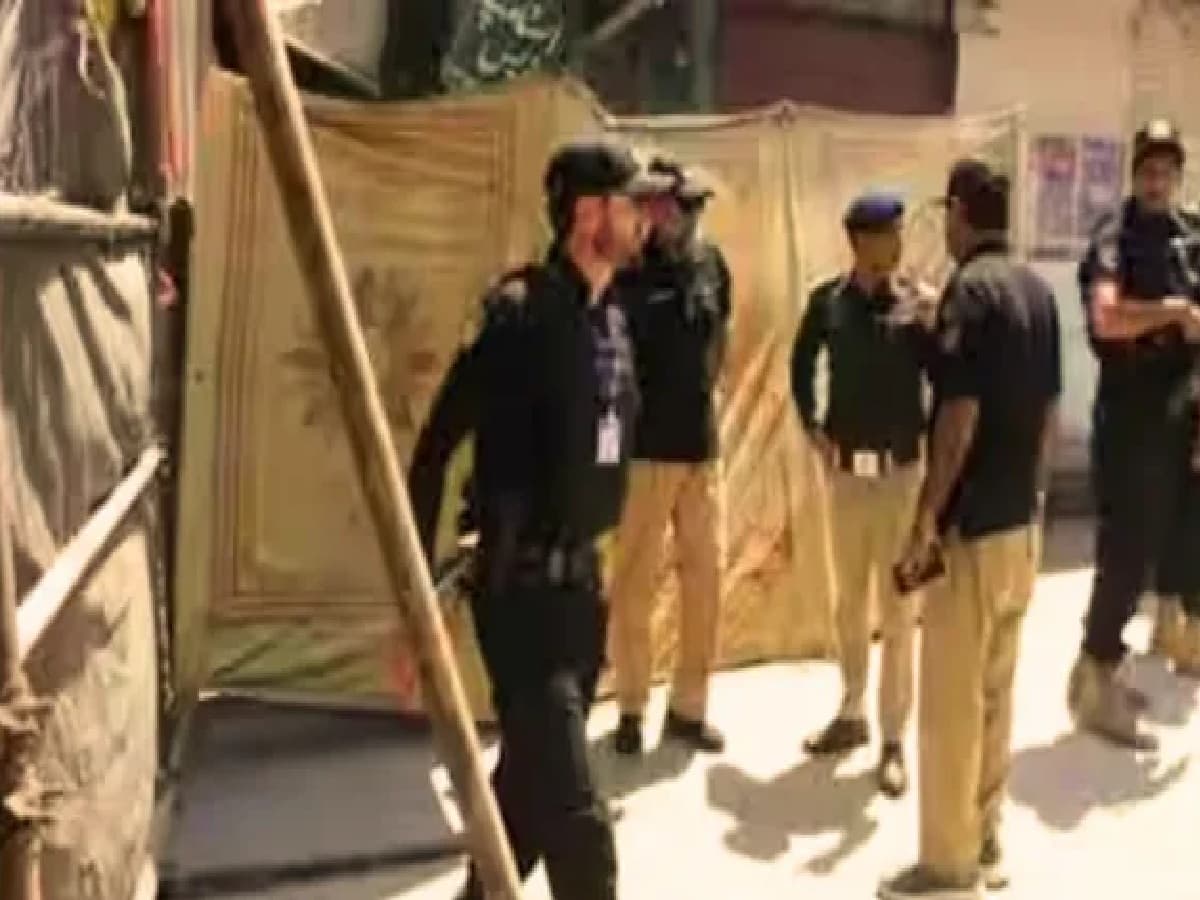
The restive Khyber Pakhtunkhwa province of north-western Pakistan was once again shaken by a massive bomb blast on Saturday evening. The dastardly attack took place near a local ‘Aman Mela’ organized in Darajinda area of Dera Ismail Khan district, where civilians, children and elderly had gathered in large numbers. The echo of this sudden powerful explosion was heard several kilometers away. According to eyewitnesses, the impact of the blast was so intense that nearby temporary stalls and vehicles were damaged. Immediately after the explosion, there was chaos in the entire area and people started running here and there to save their lives.
Local rescue team ‘Rescue 1122’ gave official confirmation that at least 11 people have died tragically in this heart-wrenching attack, while more than 30 people are seriously injured. The death toll is expected to increase further as the condition of many injured remains extremely critical. Debris was scattered all around the explosion site, due to which relief and rescue workers had to face a lot of difficulties in the initial phase.
As soon as information about the blast was received, several ambulances and disaster management teams of Rescue 1122 from Darajinda station and Dera Ismail Khan headquarters were rushed to the spot. Relief workers, with the help of local residents, immediately pulled the injured out of the debris and provided first aid. Critically injured patients were immediately admitted to the nearest District Headquarters Hospital (DHQ Hospital) and Combined Military Hospital (CMH).
The hospital administration has imposed emergency and canceled the leaves of all doctors, surgeons and paramedical staff and arranged for additional blood units. According to doctors, many of the injured were seriously burnt by the shrapnel and flames of the explosion. Plans are also being made to airlift some patients to major hospitals in Peshawar for better neurosurgical and critical care facilities. Local citizens have also actively contributed by reaching out to the hospitals and donating blood.
A few hours after the attack, the banned terrorist organization Tehreek-e-Taliban Pakistan (TTP) issued a statement and took direct responsibility for the blast. This entire region of Khyber Pakhtunkhwa, bordering Afghanistan, has long been the main center of violent activities of Islamic extremists and insurgent groups. Analysts believe that the main objective of terrorists behind targeting public festivals like ‘Aman Mela’ is to create fear and thwart every effort to restore peace in the area.
Security experts say there has been a sharp increase in TTP attacks in recent months. This organization is continuously targeting police posts, military convoys, intelligence establishments and now public programs. The increasing infiltration in the border areas and the availability of modern weapons have posed a complex challenge to the provincial security apparatus, due to which life is feeling completely unsafe.
After this deadly attack in Darajinda, heavy contingents of Pakistani Army, Frontier Corps (FC) and local police have cordoned off the entire Dera Ismail Khan district. Forensic teams have sealed the blast site and collected samples of soil, shrapnel and gunpowder to ascertain whether it was an IED (Improvised Explosive Device) or an attack by a suicide bomber. Intensive checking operations on border routes and search operations at possible terrorist hideouts have been intensified.
This month, several security-related violent incidents have come to light in Dera Ismail Khan and the surrounding tribal belt. Local public representatives and civil society have expressed deep anger over these continuous incidents. He says that due to intelligence failure and poor security system, innocent civilians are losing their lives. In view of the tense situation in the area, additional police forces have been deployed at sensitive markets and public places to prevent any untoward situation from reoccurring.
Dera Ismail Khan is located in a geographically extremely sensitive position, where the borders of Punjab, Balochistan and Khyber Pakhtunkhwa meet. Also, due to its proximity to the Durand Line, this area has been facing the brunt of insurgency for decades. According to security analysts, whenever any social or cultural event is organized to restore normalcy in the area, rebel groups target such events and try to send the message that government control over the entire belt is very weak.
This attack has not only raised questions on Pakistan’s internal security, but has also sparked a fresh debate on the stability and effectiveness of counter-insurgency policies in the entire South Asian region. The international community and human rights activists have also strongly condemned this brutal attack on civilians and public gatherings and expressed deep condolences to the families of the victims.