 look news india

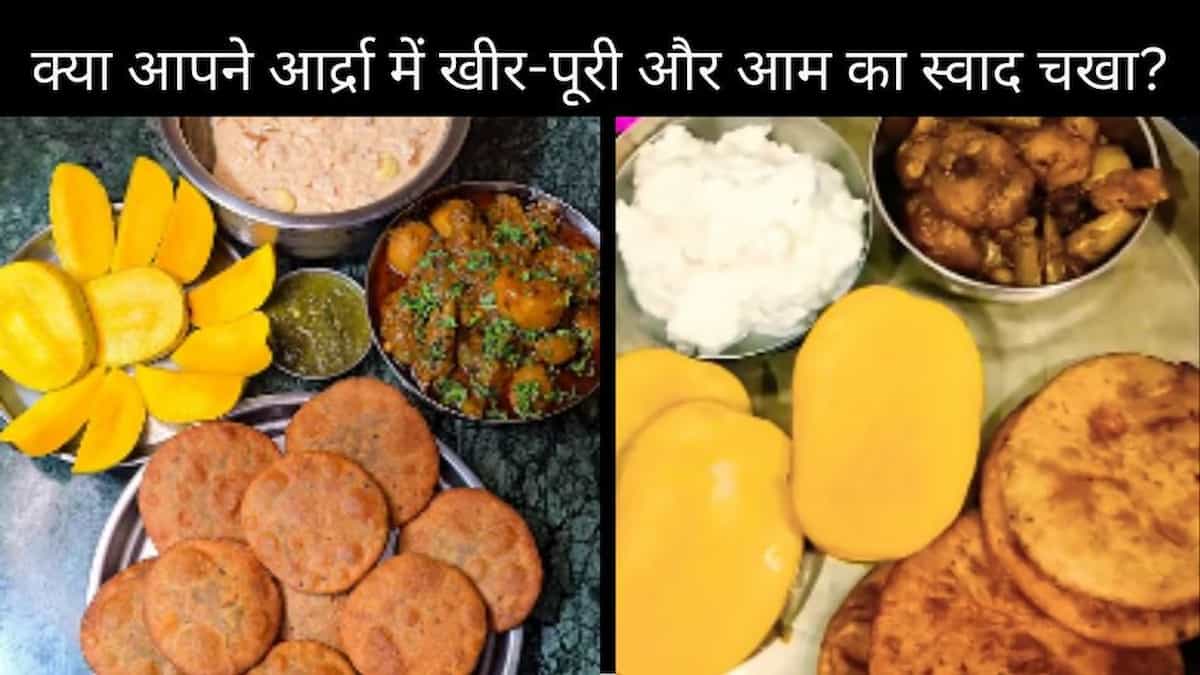
There is a very deep and unbreakable relationship between nature, weather and food in Indian culture and Sanatan traditions. As soon as the first showers of monsoon arrive after the scorching sun and heat in most parts of the country, a special traditional thali starts being prepared in homes in North and Central India. This thali typically includes hot lentil filled puri, creamy rice kheer and juicy mangoes. In the local society it is called ‘Adra (Ardra) food’. But do you know that this special combination of dal-puri, kheer and mango is directly related to Ardra Nakshatra of the sky? This is not just a superstition or an old custom, but the scientific and health importance behind it is very surprising.
What is the direct connection of this delicious thali with Ardra Nakshatra?
According to astronomy and astrology, when Sun God enters Gemini and Ardra Nakshatra rises, it is considered to be the official beginning of the rainy season i.e. monsoon in India. Ardra literally means ‘moisture’ or ‘wetness’. During this period, the humidity in the air suddenly increases and the weather takes a complete turn. It has been believed for centuries in rural and local folk culture that with the entry of Ardra Nakshatra, Mother Earth menstruates and gets ready for the germination of new crops. The tradition of making this special dish to thank nature as a joy and celebration has been going on for centuries.
The unique secret of Ayurveda and modern science is hidden behind this traditional food.
If seen from scientific and Ayurvedic point of view, this sudden change in weather has a direct impact on our digestive system. At the beginning of monsoon, the human body’s Jathragni (appetite and digestive power) slows down a bit, due to which the risk of seasonal diseases, stomach ache and infection increases. According to Ayurveda, ‘Vata’ dosha in the body gets aggravated at this time. The milk and rice present in the kheer provide coolness to the body, while the spices and ghee used in the Dal Bhari Puri provide the necessary energy and moisture to the body. This whole food works like a perfect tonic to increase the immunity of the body and keep the stomach balanced.
This is the best time to eat mango: Why is it important for health?
The most important and attractive part of this thali is the king of fruits ‘mango’. Science says that before the onset of Ardra Nakshatra (i.e. in extreme heat), the food available in common markets has more heat and acid content. But as soon as the first drops of monsoon rain fall, the natural astringency and extreme heat of the mango subsides, due to which it becomes completely ripe and digestible. By eating kheer and mango together, the body gets abundant amounts of Vitamin A, C and essential antioxidants, which keep the skin and eyes healthy in the changing seasons. This is the reason why our ancestors gave this scientific balance the form of a beautiful tradition.