look news india

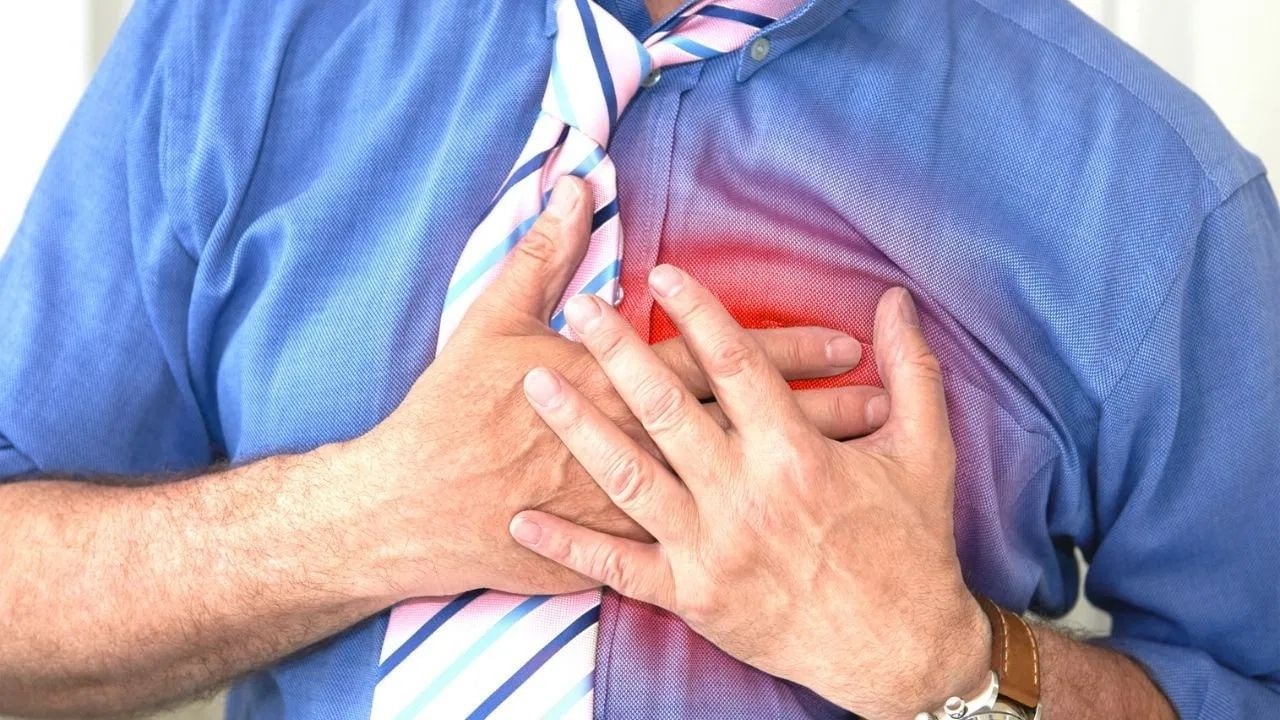
With the arrival of winter, the temperature drops rapidly, which has a direct impact on the heart. In such a situation, people already suffering from heart disease, elderly, diabetic and high blood pressure patients are at increased risk of heart attack. Therefore, there is a need to pay special attention to heart health during cold weather. Let us find out why the risk of heart attack increases due to drop in temperature.
Even minor heart related symptoms should not be ignored during cold weather. The most common symptom is chest pain or heaviness, which may spread to the left arm, shoulder, or back. Difficulty breathing, dizziness, extreme fatigue and sweating are also warning signs. Some people also have pain in the jaw or neck.
During cold, people often ignore these symptoms as gas, weakness or general fatigue, which can lead to serious complications. If you feel increasing chest pain while walking, climbing stairs or going out in cold weather, consult a doctor immediately. Early diagnosis and treatment can significantly reduce the risk of a serious heart attack.
What are the 4 main reasons for increase in heart attack cases in winter?
narrowing of blood vessels
Dr. Ajit Jain of the Cardiology Department of Rajiv Gandhi Hospital explains that due to cold, our blood vessels shrink, due to which the blood pressure increases. This puts extra pressure on the heart and increases the risk of heart attack.
blood clotting
In cold, body temperature drops and blood becomes slightly thicker, which increases the risk of blood clots, which can lead to heart attack or stroke.
lack of oxygen
In the cold, the heart has to work harder to keep the body warm. This increases the heart’s demand for oxygen, putting people with weak hearts at greater risk.
sudden exertion or exercise
Doing heavy work or exercise in cold without warming up suddenly increases the pressure on the heart, which can cause irregular heartbeat and heart attack.
How to stop it?
Keep your body warm and avoid sudden exposure to cold environments.
Get your blood pressure, sugar and cholesterol checked regularly.
Do not perform strenuous exercise or work without warming up.
Avoid smoking and eat a healthy diet.
If you feel chest pain, shortness of breath or extreme fatigue, consult a doctor immediately.