 look news india

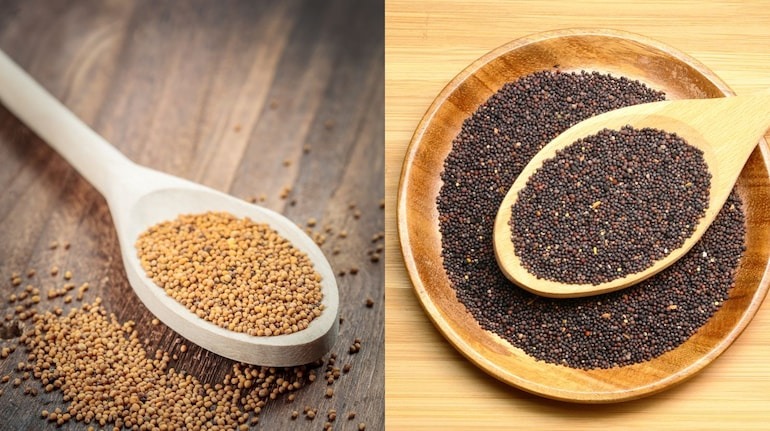
Whenever the name ‘mustard’ comes to your ears, what is the first thing that comes to your mind? Perhaps hot mustard greens and corn roti, or the spicy tadka of mustard seeds in dal! This small grain of mustard is not just a spice, but the soul of Indian kitchen. It tells the story of our traditions, taste and health.
It not only adds taste to the food, but also takes full care of health. There are properties hidden inside it that keep digestion healthy, give strength to fight diseases and make the body strong from within.
Understand that these are two brothers – one calm, the other a little sharp.
Mustard is mainly available in two colors in the market – yellow and black. Both have their own distinct temperament and different taste.
1. Yellow Mustard (The Calm One):
It is light and mild in taste. Its pungency is not very strong. For this reason, it is used extensively in North Indian food like pickles, chutneys and vegetables. Its oil is also light and enhances the taste of food. Talking about health, it is a powerhouse of vitamins, magnesium and fiber, which helps in keeping the stomach healthy and the body healthy.
2. Black Mustard or Mustard (The Fiery One):
It is dark in color and sharp and spicy in taste. As soon as its grains crackle in hot oil, the kitchen becomes fragrant. Tadka cannot be imagined without mustard in the food of South India and Bengal. Along with taste, it is also full of medicinal properties. Its nature is hot, which helps in keeping the body warm in winters and provides relief from joint pain and cold.
journey from farm to plate
The farming of these two is also slightly different. Yellow mustard needs cool weather, whereas black mustard i.e. rye grows in almost all types of weather. Farmers use not only its grains and oil but also its flowers. Mustard fields are considered excellent for beekeeping, which also yields delicious honey.
In short, this small mustard seed is such a power in our kitchen that it gives taste as well as health.