 look news india

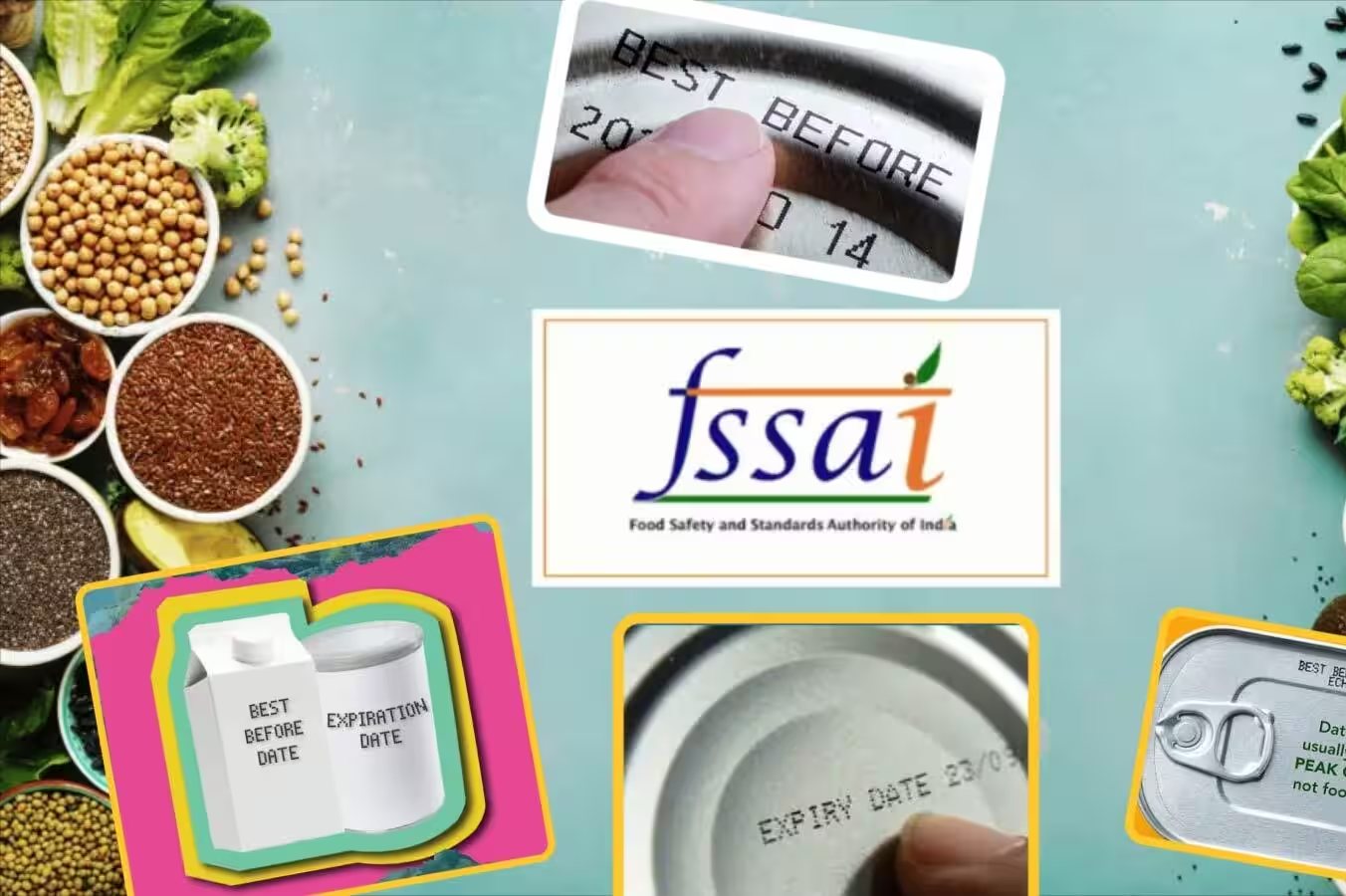
In this modern era of Digital India, the use of quick-commerce apps like Blinkit, Zepto, Swiggy Instamart and BigBasket that deliver ration and groceries at the doorstep in 10 minutes is increasing day by day. People are ordering milk, bread, packed food and ration online daily to save their time. However, amidst this increasing convenience, crores of consumers of the country are also facing a serious problem. Many times, when ordering online, such goods are delivered whose ‘Best Before Date’ or expiry date is very close or this information is missing while ordering on the app. Keeping in mind this serious public problem and the issue related to the health of the customers, the Central Government and the Ministry of Consumer Affairs have now started preparing to adopt a strict stand. The government has received several suggestions recommending punitive action against online platforms that do not display ‘best before date’.
The Department of Consumer Affairs has been receiving complaints for a long time that many e-commerce and quick-commerce platforms are not fully following the Legal Metrology Rules. According to the rules, while selling any packed food or grocery item, it is mandatory to clearly display its manufacturing date, expiry date, weight, maximum retail price (MRP) and name of the country of origin. But online delivery apps often hide this information or show it in very small print. Under the suggestions that the government is now considering, if any platform does not give clear information about ‘Best Before’ in the app’s listing, then heavy fine can be imposed on it and strict steps can be taken like canceling its license. The main objective of this step is to ensure that stale, spoiled or expired goods are not handed over to the customers.
In this business model of superfast delivery of 10 to 15 minutes, companies often sell short shelf-life items first to increase their profits and clear out old stock kept in dark stores. When a customer buys groceries from a shop, he turns the packet and checks the expiry date himself, but this freedom is taken away on online platforms. It is only after receiving the goods that the customer realizes that the date of bread, cheese, buttermilk or snacks is about to expire. In many cases, the goods even get expired by the time they reach home, after which one has to have a long argument with the customer care to get the refund. After the implementation of the new rule of the government, customers will be able to see how many days of shelf life are left for the item they are adding to the cart, on the app itself, so that they will be able to take a decision as per their wish.
If the government finalizes these suggestions and issues new guidelines, it will have a direct impact on the entire e-commerce and retail market of India. Companies will have to make major changes in their tech-systems and app interfaces, where the ‘best before date’ below every listed product will be updated in real-time. This will not only bring transparency to quick-commerce platforms, but will also force companies to make their warehouse and logistics management more transparent. Consumer rights experts have praised this step of the government and said that it will prove to be a historic decision in the direction of making Indian consumers an empowered and aware buyer in the modern digital era. The government may very soon hold a meeting with representatives of all major e-commerce companies and present the draft of the final rules in this regard.