 look news india

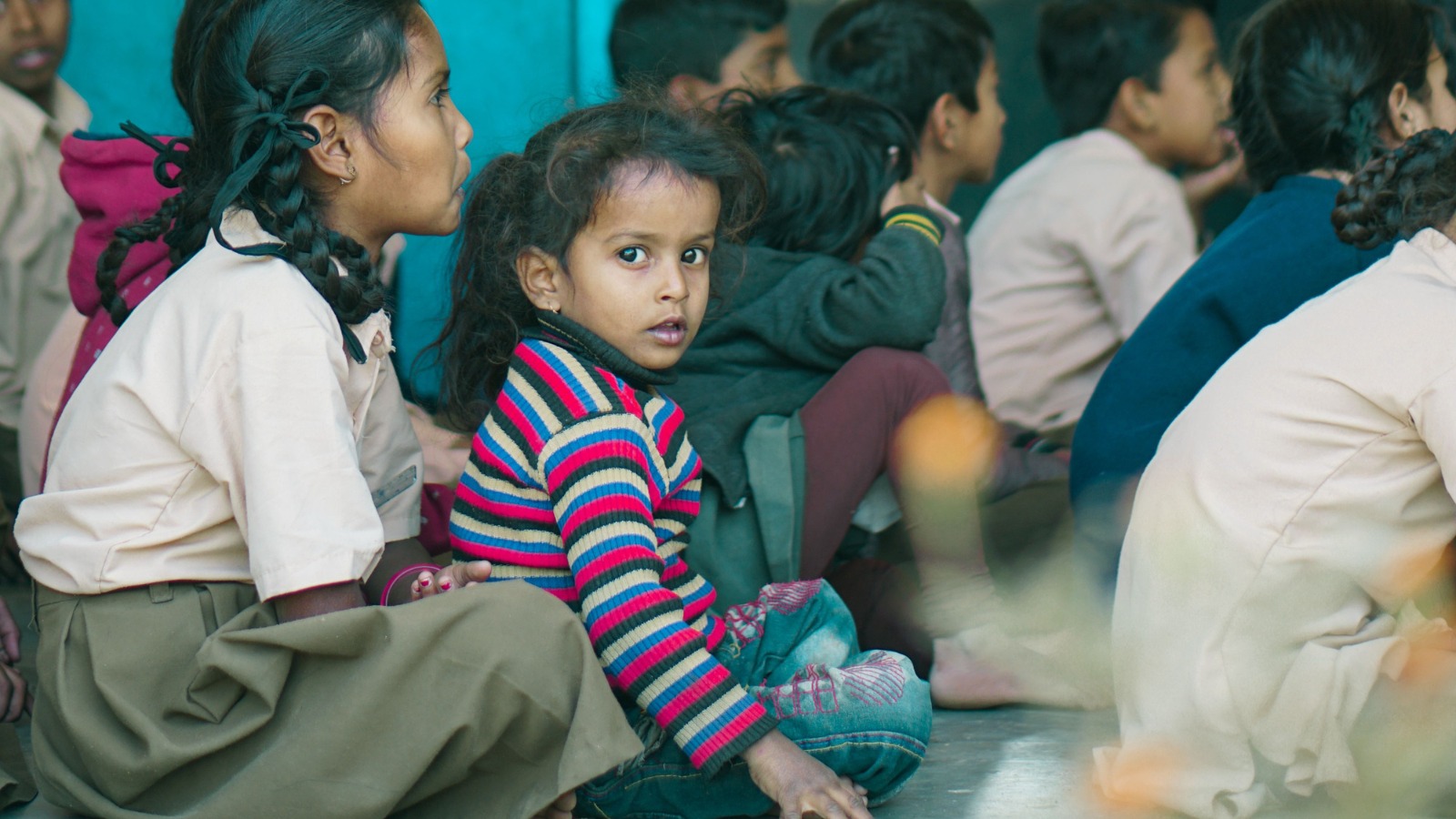
Every year, September 8 is considered a very special day for the purpose of spreading education, knowledge and awareness around the world, because this date is celebrated as ‘International Literacy Day’ at the entire global level. In the modern era, while on one hand technology and science are reaching new heights, on the other hand, providing the light of basic education and literacy to a large section of the society still remains the biggest challenge before the governments and policy makers around the world. Decades ago, the United Nations Educational, Scientific and Cultural Organization (UNESCO) had made a historic announcement in 1966 to celebrate September 8 every year as this day, so that collective efforts could be made to eliminate the curse of illiteracy across the world. In today’s digital and competitive era, when we make tall claims of development, Literacy Day reminds us that unless the last person in the society learns to read and write, the real development of any country will be considered incomplete. On this special occasion, various programs, seminars and literacy campaigns are organized in the country and abroad, through which people are made aware of the importance of education.
The historical journey of International Literacy Day and the important beginning taken by UNESCO
If we look at the history of International Literacy Day, its foundation was laid in the month of September 1965 during a World Conference of Education Ministers held in Tehran, the capital of Iran. In that conference, countries around the world had seriously brainstormed on how problems like global poverty, hunger and inequality could be tackled by making the illiterate population literate. Subsequently, UNESCO, during its 14th General Conference on 26 October 1966, officially declared 8 September every year as ‘International Literacy Day’. The very next year i.e. in 1967, this day was celebrated for the first time all over the world with great enthusiasm and determination, the main objective of which was to promote the importance of literacy among individuals, communities and societies. From then till today, this day is celebrated every year under a special theme, which serves to underline the global educational priorities and challenges of that year.
Status of Literacy in Global and Indian Perspective: Truth in Data
When we analyze literacy data globally, it comes to the fore that there has certainly been huge improvement over the last few decades, but there is still a very long way to go. Even today, in many developing and poor countries of the world, there are millions of children and adults who do not get even basic education, due to which the paths to their livelihood and social upliftment are closed. If we talk about India, since the independence of the country, continuous efforts are being made to increase the literacy rate under many big national campaigns like National Literacy Mission, Sarva Shiksha Abhiyan, and the recently introduced new National Education Policy (NEP). As a result of all these government and non-government efforts, India’s literacy rate has registered a significant increase, but despite this, a large number of people in remote rural areas, tribal areas and backward settlements of the country are still deprived of basic alphabet knowledge, which sometimes raises serious questions on the claims of our education system.
New challenges and needs of education and digital literacy in modern society
The definition of literacy is changing rapidly with time, and in today’s modern technology-intensive era, literacy no longer means just signing one’s name or reading simple books. In today’s time, ‘Digital Literacy’ and technical knowledge has become as important as traditional reading and writing, because without knowledge of basic use of computer, smartphone and internet, any person can lag behind in the modern society. In today’s era, where education has been considered the fundamental right of every child, the dropout rate i.e. the number of children leaving school midway still remains a big headache for the governments. Poverty, child labour, social evils and lack of basic infrastructure in schools are the main reasons due to which many children are not able to complete even their primary education. To overcome all these obstacles, not only government policies, but every capable citizen of the society will have to come forward and contribute, only then the real goals of literacy can be achieved.
Message of Literacy Day: Let us together spread the light of education to every corner of the society.
International Literacy Day is not just a date or a day to observe formalities, but it gives an opportunity to all of us to introspect what contribution we have made so far towards educating our society. Education is the only powerful weapon that can forever break the shackles of poverty, ignorance and backwardness of any person and make him a self-reliant and respectable citizen. When a family is educated, its future generations become educated, and when the entire society becomes literate, the country starts running at the speed of a bullet train on the path of progress. On this Literacy Day, we should take a pledge that we will inspire education towards all those children and adults around us who are left behind due to some reasons. This lamp of literacy should not be extinguished only by the governments, but it is the collective responsibility of all of us to light it in every house, every street and every village, so that the future can become more bright, aware and empowered.