 look news india

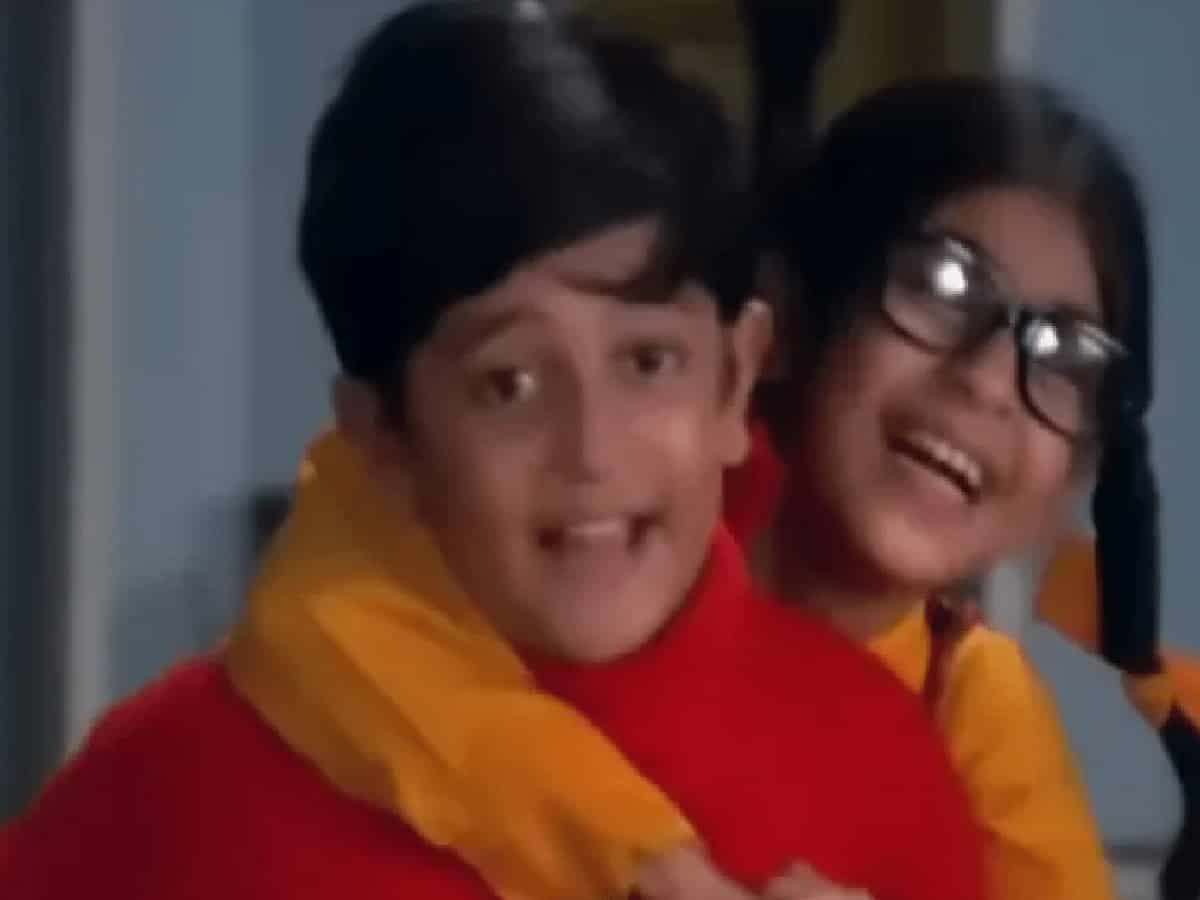
The holy festival of Rakshabandhan is not only a symbol of the unwavering love and trust between brothers and sisters, but it is also a celebration of the sacred promise of protecting each other throughout life. The charm of any festival seems incomplete without music and fellowship. On this special occasion, today we are going to tell you about that immortal song, which was not specially composed for the festival of Rakhi, but for the last 55 years, it has been resonating on the lips of every brother and sister as the biggest ‘anthem’ of Rakshabandhan. The surprising thing is that this song was sung by the nightingale Lata Mangeshkar in the voice of a mere 10 year old child.
This evergreen song from Devanand’s film was not made for Rakshabandhan
Every year on the occasion of Rakshabandhan, this iconic song featuring Devanand and Zeenat Aman—’Phoolon ka taron ka sabka kehna hai, ek hazaaron mein meri behna hai’—is sung passionately in every household. This song from the cult classic film ‘Hare Rama Hare Krishna’, released in 1971, has become synonymous with Rakhi today, but there is an interesting history behind it. Well-known musician Rahul Dev Burman i.e. Pancham Da himself had revealed in an interview that he had not kept any festival or Rakshabandhan in mind while composing this song. The song was adapted from the film’s story and a specific situation where a estranged brother hums this tune to his younger sister while hiding behind a tree to bring back childhood memories. However, with time this melody became the biggest symbol of the sacred relationship between brother and sister.
This is how Lata Mangeshkar did wonders in the voice of a 10 year old child.
Two different versions of this very popular song from the film ‘Hare Rama Hare Krishna’ were prepared, one for male and the other for female (or child) voice. This song was sung by veteran singer Kishore Kumar for the character of Devanand growing up in the film, while in the childhood part, this song was sung by Swara Kokila Lata Mangeshkar for child artist Master Satyajit playing the role of a 10-year-old child. Lata Didi had captured the expressions and tone of voice of a 10 year old child with such quality that even music composer RD Burman himself was completely surprised after seeing her singing. Even today, when this song is played on radio, television or social media, a different old memory gets refreshed in the hearts of people of all ages.