 look news india

A shocking administrative figure has come to light before the country’s Supreme Court on Friday in the ongoing controversy over the Special Intensive Revision (SIR) of the voter list in West Bengal. The Election Commission of India (ECI), while filing a formal affidavit in the Supreme Court, has admitted that more than 37 lakh appeals filed against the decisions of deletion of names and addition of new names from the voter list in the state are still pending at the judicial and administrative level. Despite the huge network of special appellate tribunals set up by the apex court, only about 1.02 lakh appeals out of the total 38.20 lakh cases registered so far have been finally disposed of, raising serious constitutional questions on the speed and timeliness of the electoral process.
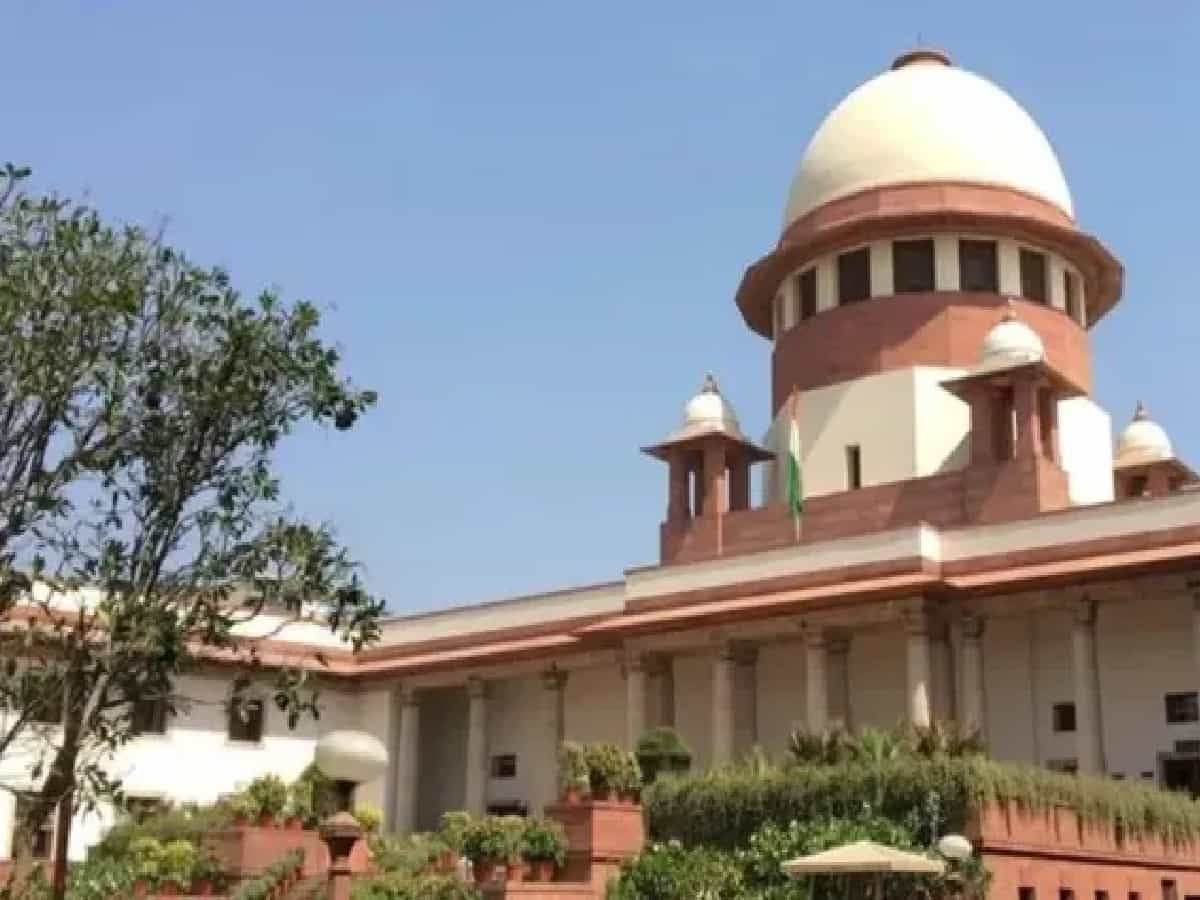
This factual report on behalf of the Election Commission was presented before the special bench of Chief Justice of India Justice Surya Kant, Justice Joymala Bagchi and Justice V. Mohana. The bench was hearing a PIL seeking to make public the assembly constituency-wise detailed data of voters removed from the voter list of West Bengal during the SIR process, their claims and objections raised. According to official data presented by the Commission, a total of 38,20,683 appeals were filed against SIR orders. Of these, only 1,02,231 cases have been resolved so far, while 37,18,452 appeals are still pending awaiting decisions. However, the Commission has not given a clear classification in its affidavit as to how many of these appeals were against wrongful deletion of names and how many appeals were filed seeking exclusion of fake entries from the voter list.
Social and political activist Prosenjit Bose, who filed the petition in the Supreme Court, has launched a scathing attack on the functioning of the SIR process. According to Bose’s claims, names of more than 58 lakh citizens were removed from the voter list in one fell swoop during the door-to-door enumeration phase of the SIR process in West Bengal. Presenting figures, he told the bench that more than 9.64 lakh applications for re-inclusion of names and more than 99,000 objections for deletion of doubtful names were filed within the time limit for filing formal claims and objections. Despite this, when the final voter list was published by the Commission on February 28, only 1.82 lakh new names could get official approval. Additionally, the Election Commission’s own records show that 34.13 lakh new applications under Form 6 were received for inclusion as new voters between the draft rolls of December 17, 2025 and August 7, 2026, underscoring the demand for large-scale franchise restoration in the state.
Earlier, in the hearing held on August 25, the Supreme Court had given a clear order to the Election Commission that the complete list of the cases pending before the tribunals and the exact status of their disposal should be placed before the court. The bench had made a strong comment and underlined that it is essential for a fair and free democratic system that these appeals related to the voting rights of citizens should be decided within a fixed time limit and not be postponed indefinitely. The bench had also asked the Election Commission what steps were being taken at the administrative level to expeditiously dispose of the growing pile of files and whether there was a need to set up additional tribunals for speedy disposal of cases. Apart from this, on April 24 itself, the apex court had given clear instructions to the appellate authorities that the hearing of the voters who have filed applications for speedy hearing against illegal removal of their names from the list, should be completed on priority basis without any delay.
A large inter-state judicial machinery was set up in West Bengal to deal with the huge burden of approximately 60 lakh claims and objections arising under the SIR. Around 700 judicial officers from the local judicial machinery of West Bengal as well as from the neighboring states of Odisha and Jharkhand were deployed on special deputation for impartial and timely investigation of election disputes. Later, with the direct intervention and directions of the Supreme Court, the Chief Justice of the Calcutta High Court constituted 19 Special Appellate Tribunals headed by retired Chief Justices and Judges of the High Court to dispose of these appeals. Despite this, only 2.6 percent of the appeals have been disposed of so far, indicating that administrative resources and judicial speed at the ground level are proving to be extremely slow in the face of the huge challenge of protecting the democratic rights of citizens.