 look news india

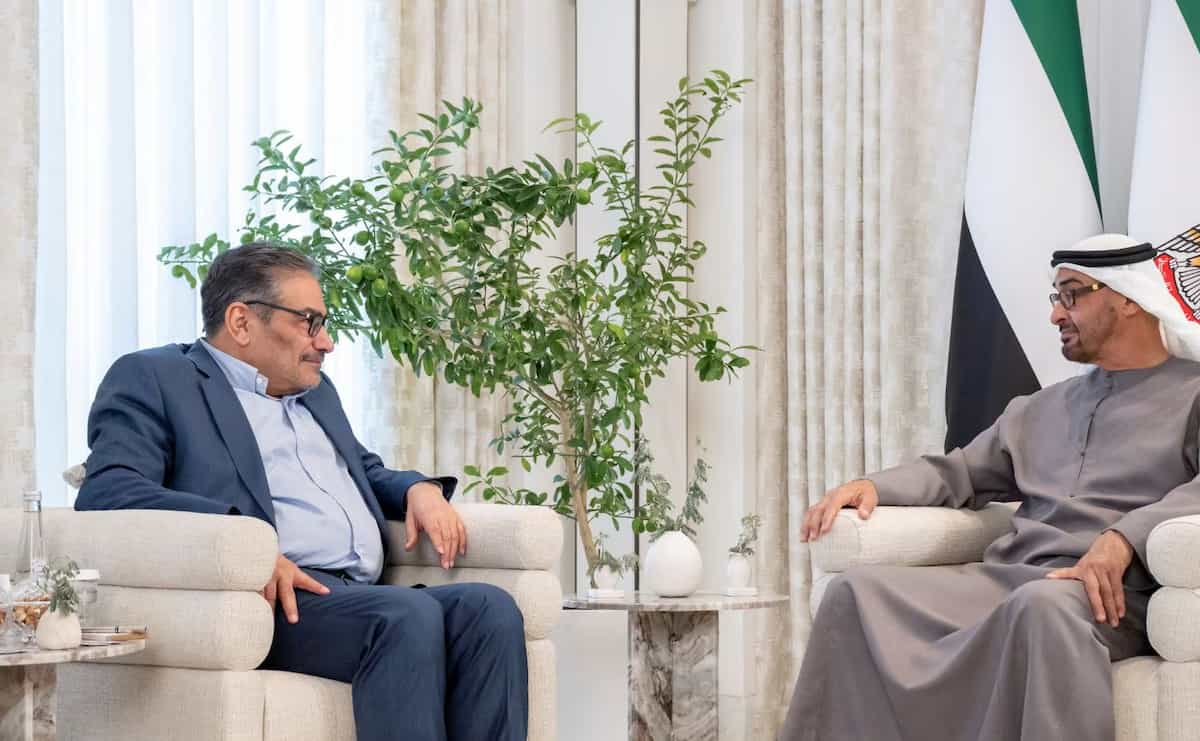
Amidst the ongoing turmoil in the Gulf countries, a very shocking and big diplomatic news is coming out, which has created a stir in business and global trade circles all over the world. The United Arab Emirates (UAE) has taken a major and historic step of completely ending diplomatic and economic relations with its neighbor Iran. Due to long-running geopolitical tensions, regional security concerns and intense pressure from international sanctions, the UAE government has imposed a complete ban on all types of trade, commercial transactions and financial transactions with Iran. After this decision, the trade journey that has been going on for decades between two important countries of the Gulf region has now come to a complete halt, due to which new equations seem to be forming in global politics and energy corridors.
The main reasons and diplomatic background behind this strict decision of UAE
Trade relations between the UAE and Iran have always rested on a delicate balance. Although there has been large-scale import and export through sea and land routes for centuries due to the geographical proximity between the two countries, the security situation in the Middle East has changed rapidly in the last few years. There was increasing pressure on the UAE administration due to the stringent sanctions imposed on Iran at the international level and the imperative to maintain regional stability. Before taking this step, UAE policy-makers have kept the country’s internal security, financial transparency and global trade standards paramount. This tough decision has been taken to save the economic credibility of the country and to avoid falling under the ambit of any possible international penalties or sanctions.
Who will suffer the most due to closure of business and financial transactions?
After the implementation of this historic ban, the biggest question arising is who will suffer the most from this economic isolation. Experts believe that this decision will have the most serious impact on the Iranian economy, which is already struggling with international sanctions and internal economic challenges. Trade with UAE was a major means for Iran to earn foreign exchange and supply essential goods, which has now completely stopped. Additionally, there could also be an initial setback for traders and investors trading in the markets of Dubai and other emirates who have long been taking advantage of the commercial corridors between the two countries. However, the UAE has completely secured and diversified its economy, making it less likely to suffer long-term losses.
Far-reaching impact on global trade, oil markets and regional politics
The impact of this decision by UAE to break all commercial relations with Iran will not be limited to only the two countries, but it will have a direct impact on the trade market of the entire world. Such major diplomatic changes in the Gulf region can completely change the geopolitics of the Middle East. Companies involved in international shipping, logistics and energy supply chains will now have to change their trade routes and business strategies. Analysts also believe the move could further strengthen Western influence in the Middle East, while making it more difficult for Iran to be diplomatically isolated. It will be very interesting to see in the coming days how regional countries react to this new situation and how the global market absorbs this major change.