 look news india

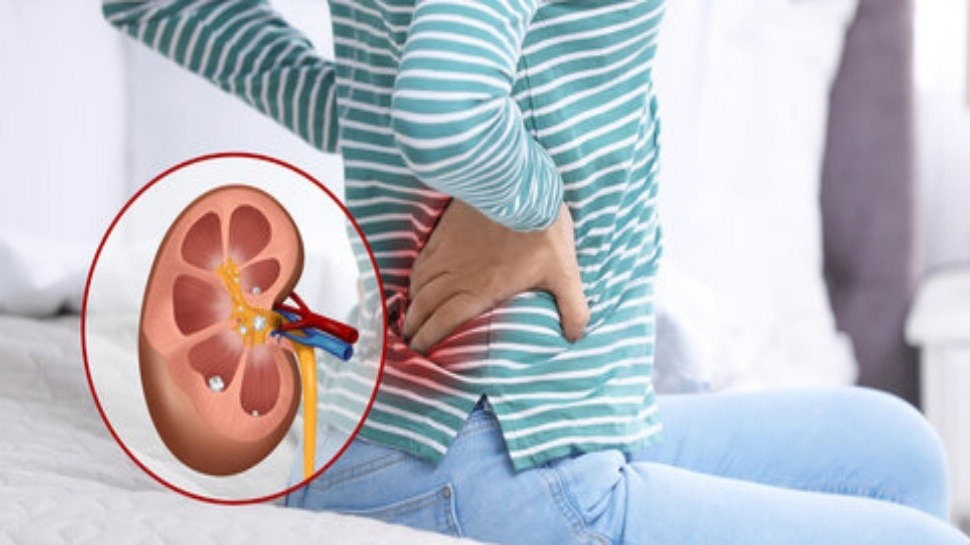
Causes of Kidney Stones: Kidneys are very important organs of the body. These perform many functions. Their main function is to filter out waste and excess water from the blood in the form of urine. These regulate the pH level and salt levels of the body. These regulate blood pressure and help in the formation of red blood cells. Minerals that accumulate inside the kidneys can clump together to form small or large, hard, solid crystals. These crystals are small at first. But with time, they take the form of large stones. As these fragments pass through the urethra, they cause severe pain, burning, and obstruction during urination.
There are four main types of kidney stones. Calcium stones, uric acid stones, struvite stones and cystine stones. The causes of each type of stone depend on its formation, diet, and physical processes. If not identified and treated in time, these stones can damage the kidneys. These may come back again and again.
The most common symptoms of kidney stones are sudden, sharp, intense pain that spreads to the lower back, arm, or abdomen. Symptoms include burning during urination, frequent urination, blood in the urine, foul-smelling urine, and nausea and vomiting. The pain may be worse at night or in the morning. If the stone is large, it may block the urethra. Urinary retention – increases risk of infection. Fever – Chills can be a sign of infection. If not immediately examined by a doctor, this condition can be dangerous.
What are the three main causes of kidney stones?
Drinking insufficient water, high salt diet and high levels of minerals like calcium-oxalate are the causes of kidney stones. Drinking less water makes urine thick. This thickening contributes to the deposition of minerals.
On the other hand, a diet high in salt increases the amount of sodium in the body. This causes the kidneys to excrete more calcium, which increases the chance of calcium crystal formation.
The third reason is that in some people, due to metabolic process, too much oxalate or uric acid is produced, which accumulates and takes the form of stones.
Other factors include family history, obesity, eating too much sugar or processed food, drinking too much tea and coffee. High sugar intake, low potassium diet, high protein diet, urinary retention – long-term use of certain medicines. Diabetes, high blood pressure – Patients with high uric acid levels are also at risk.
How to stop it?
Drink 8 to 9 glasses of water daily.
Reduce the amount of salt – Reduce the amount of salt in packaged foods.
Consume oxalate rich foods in balanced quantities.
Take calcium as per doctor’s advice.
Urinate regularly, do not hold it in.
If there is a problem of uric acid or mineral balance in your body, get it checked regularly.