 look news india

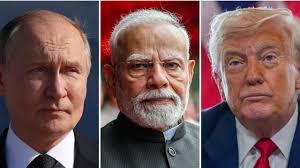
News India Live, Digital Desk: Amidst the fire of US-Iran war, an alliance is getting stronger in global politics, which can become a big threat to India’s economy and the dominance of ‘Petro-Dollar’ in the coming times. The growing strategic closeness between Russia and China and their ‘triangular nexus’ with Iran has brought double trouble for India. On one hand, energy security is at stake, on the other hand, the decreasing importance of the dollar in global trade is increasing pressure on the Indian currency ‘rupee’.
Petro-dollar crisis: Will the rule of the dollar end?
For decades, oil has been traded around the world in US dollars, known as ‘petro-dollars’. Russia and China are now challenging this system:
Entry of Petro-Yuan: China and Russia are now using the Chinese currency ‘Yuan’ for their oil deals. Iran is also joining this Alternative Payment System (CIPS).
Impact on India: If oil trading shifts away from the dollar to the yuan or ruble, the dollar will weaken in global markets. Countries like India, which keep their foreign exchange reserves in dollars, will have great difficulty in keeping their currency ‘rupee’ stable. Furthermore, the strengthening of the Chinese yuan will further increase China’s economic clout in Asia.
Russia-China-Iran nexus: Challenge to India’s ‘strategic autonomy’
After the attacks on Iran by America and Israel, Russia and China have openly supported Iran. While Russia is supplying defense technology and drones to Iran, China remains the largest buyer of Iran’s oil.
Politics of Energy: India’s oil supply has been disrupted due to the closure of the Strait of Hormuz. At the time of this crisis, Russia has offered oil to India at concessional rates, but Russia’s deep friendship with China is a matter of concern for India. India fears that Russia may give priority to China’s interests in its foreign policy.
Supply Chain Capture: China and Russia are together creating an alternative supply chain that is free from Western sanctions. It is becoming difficult for India to strike a balance between this ‘non-Western’ block and America.
3 big threats for India: inflation, trade and currency
Fuel hit: Due to the closeness of Russia and China, factionalism is increasing in the global oil market. If India is forced to trade in other currencies instead of the dollar, transaction costs will increase, causing petrol-diesel and gas prices in the country to cross Rs 150.
trade deficit: Russia is now giving priority in supplying oil to China instead of India. Along with this, China can put pressure on India to make its ‘Yuan’ a trading currency, which will further increase India’s trade deficit with China.
Devaluation of Dollar: Due to reduced demand for dollar globally, the Indian Rupee may fall further against other major currencies of the world, due to which imports will become expensive and inflation in the country may go out of control.
What is the alternative? ‘Rupee-payment’ and the role of BRICS
To deal with this crisis, India is now trying to trade in ‘rupee’ with countries like Russia and United Arab Emirates (UAE). However, Russia already has a lot of Indian rupee deposited, which it is not able to spend. In such a situation, India is now intensifying the discussion of creating a common currency within the BRICS countries, so that it can create its own independent path between China’s Yuan and America’s Dollar.