 look news india

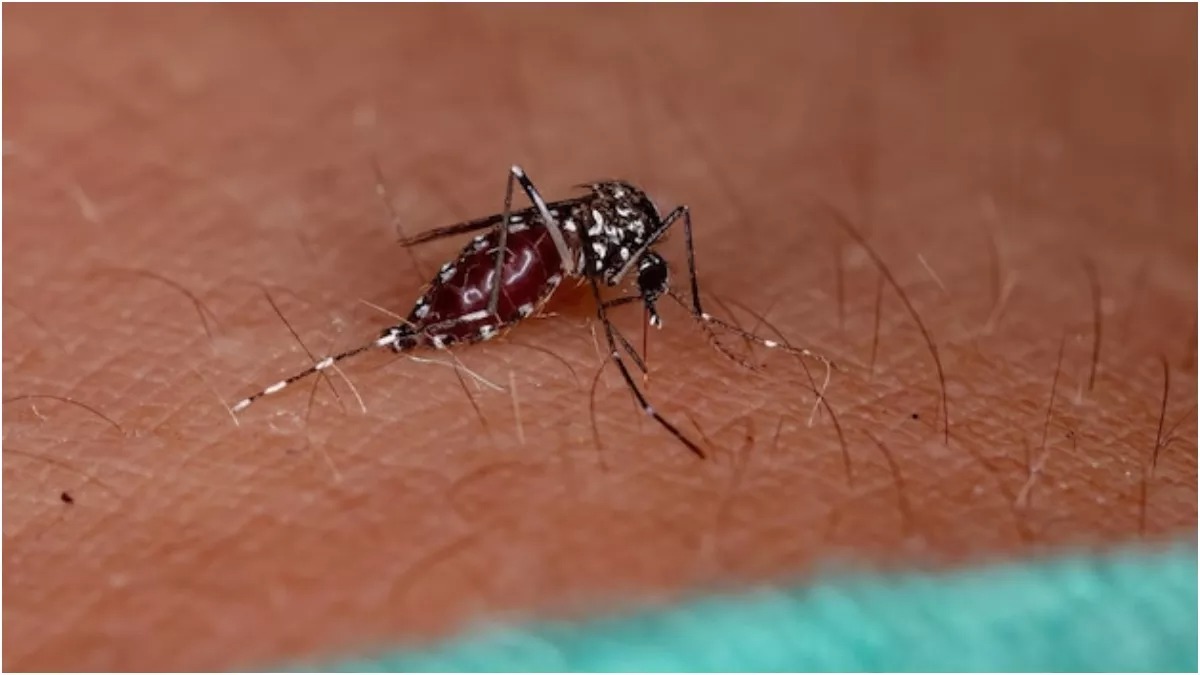
News India Live, Digital Desk: Dengue Prevention Tips: As the rainy season approaches, the menace of mosquitoes increases and the risk of a disease also increases, which is also known as ‘break-bone fever’ – i.e. dengue. This is a common viral infection which is spread by the bite of Aedes mosquito. These mosquitoes are more active during the day and breed in clean, stagnant water.
Often people ignore dengue considering it a minor viral fever, but if it is not identified and treated at the right time, it can prove to be very dangerous.
How to identify whether it is dengue or minor fever?
Symptoms of dengue start appearing 4 to 10 days after infection. Do not mistake it for ordinary fever, pay attention to its symptoms:
- High fever: Sudden onset of high fever ranging from 102 to 104 degrees Fahrenheit.
- unbearable pain: There is severe pain in muscles and joints, so much so that it feels as if bones are broken. For this reason it is also called ‘break-bone fever’.
- Pain in head and eyes: Its main symptom is severe pain in the head, especially behind the eyes.
- Nausea and vomiting: The patient may feel vomiting or nausea.
- Rashes on skin: A few days after the onset of fever, red rashes or rashes may appear on the body.
- Excessive tiredness: One feels extreme weakness in the body.
When to be careful? When dengue becomes dangerous
In most cases, dengue gets cured within a week, but in some cases it can take a serious form, which is called dengue hemorrhagic fever (DHF). If the following symptoms are seen, the patient should be immediately taken to the hospital:
- Rapid fall of platelets: This is the biggest danger of dengue.
- Nosebleeds or bleeding gums: Leakage of blood from anywhere in the body.
- Severe stomach pain and continuous vomiting.
- Having trouble breathing.
- Appearance of blood spots under the skin, which may appear like an injury.
How to fight dengue? treatment and prevention
There is no specific anti-viral treatment for dengue, so it is managed by reducing symptoms and caring for the patient.
What to do at home:
- Do not let there be lack of water in the body: The most important thing in dengue is to keep the body hydrated. Keep feeding water, coconut water, juice, soup and ORS solution to the patient continuously.
- Totally Relaxed: The patient should take as much rest as possible so that the body’s immunity can fight the virus.
- Diets that increase platelets: Include papaya leaf juice, kiwi, pomegranate, beetroot and vitamin C rich fruits (like orange, amla) in your diet. These things help in increasing platelet count naturally.
- Follow doctor’s advice: To reduce fever, take only medicines like paracetamol as prescribed by the doctor. Avoid taking aspirin or other painkillers, as they can increase the risk of bleeding.
Prevention is the best cure:
- Do not allow water to accumulate: Do not allow water to accumulate in coolers, pots, old tires or any such places in and around your house.
- Protect yourself from mosquitoes: Wear full-sleeved clothes, use mosquito nets and use mosquito repellent cream or lotion.
- Be aware: If you or anyone around you sees symptoms of dengue, immediately contact a doctor and get a blood test (Dengue NS1 Antigen) done.
With caution and correct information, you can protect not only yourself but your entire family from this dangerous disease.