 look news india

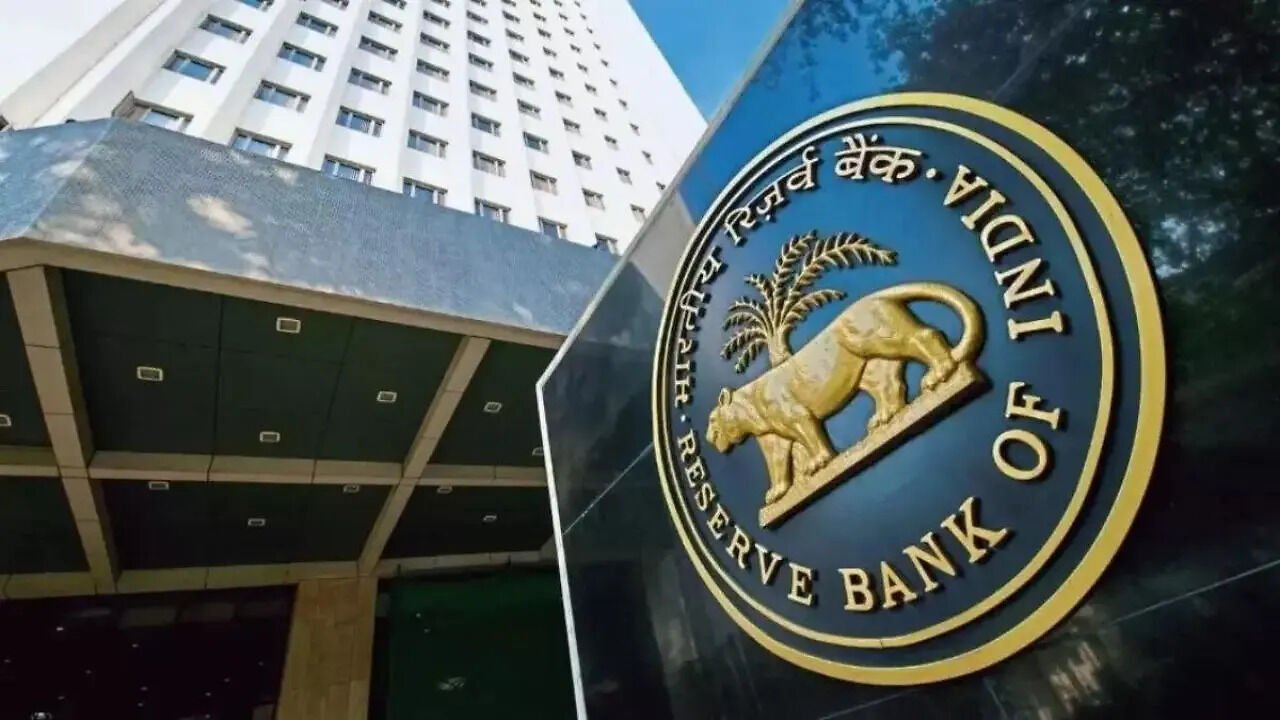
The eyes of crores of bank customers, home loan holders and financial markets of the country are today fixed on the decisions of the bi-monthly meeting of the Monetary Policy Committee (MPC) chaired by the Governor of the Reserve Bank of India (RBI). There is a strong possibility among financial markets, economists and banking experts that the Central Bank may take a tough decision to increase the policy interest rate i.e. repo rate by 25 basis points (0.25%) to control rising inflation and global economic uncertainties. If this increase is implemented today, the repo rate will increase from 5.25% to 5.50%. It is noteworthy that this step will be the first rate hike decision to be taken after a long gap of about 44 months (after February 2023). From the business corridors of big economic centers like Lucknow, Delhi, Mumbai and Bengaluru to the common working class, the assessment of the profit and loss of this possible decision has started, because the change in repo rate has a direct impact on bank loans, fixed deposits and daily household budget.
After keeping the policy rates stable for a long time in the economy, the Central Bank has come across several serious economic factors which have indicated to increase the rates:
-
Retail Inflation (CPI Inflation) Pressure: Retail inflation remains above the Reserve Bank’s medium-term target of 4% due to volatile food prices and rising costs of essential commodities. Monetary tightening is considered necessary to control the risk of inflation exceeding 5% in the coming quarters.
-
Rise in international crude oil prices: The rise in crude oil prices in the global market due to ongoing geopolitical tensions and supply chain disruptions in West Asia is increasing the pressure on the import bill and current account deficit for a major importing country like India.
-
Stability of rupee against dollar: The Indian rupee remains under pressure due to selling by foreign institutional investors (FIIs) and a strong dollar index amid the policies of the US Federal Reserve and major global central banks. Increase in interest rates will help support the rupee and stem capital outflows.
-
Strong domestic demand and credit growth: The Indian economy is witnessing strong expansion in private consumption and demand for bank credit. The central bank may also adopt a ‘hawkish’ stance to avoid the risk of the economy overheating due to excessive liquidity.
If the repo rate increases from 5.25% to 5.50%, its most immediate and direct impact will be on the pockets of common borrowers. Most of the commercial banks in the country (like SBI, HDFC Bank, ICICI Bank, PNB) link their floating rate retail loans to the Repo Linked Lending Rate (RLLR/EBLR).
-
Impact on home loan: Even an increase of 0.25% on long-term home loans adds to the total interest liability by lakhs of rupees. For example, if a customer has a home loan of ₹40 lakh at a rate of 8.50% for a tenure of 20 years, his current EMI is around ₹34,713. As the interest rate increases to 8.75%, the monthly EMI will increase to ₹35,348, i.e. ₹635 every month and an additional interest burden of approximately ₹1.52 lakh over 20 years.
-
EMI vs Loan Tenure Extension: Often, instead of increasing the monthly EMI of customers, banks extend their loan tenure by 1 to 2 years. Due to this, despite the monthly installments appearing stable, the borrower has to pay the bank installments for several additional months.
-
Personal and Auto Loan: There will be an immediate increase of 0.25% in the interest rates on new car loans and floating personal loans, which may make the budget of buying a new vehicle or consumer product a little expensive during the festive season.
The increase in repo rate may be a shock for borrowers, but it will prove to be a great news for savers and senior citizens dependent on fixed income.
-
Interest rates on bank FD will increase: As soon as the repo rate increases, banks will need additional funds to strengthen their deposits (credit-deposit ratio). Due to this, public and private sector banks will increase the interest rates on term deposits of 1 to 3 years by 15 to 30 basis points.
-
Returns over 8% to senior citizens: Currently, senior citizens are getting 7.50% to 7.75% interest in special FD schemes. After this new increase, this rate may cross 8% in select periods, which will significantly improve the monthly and quarterly interest income of pensioners.
-
Debt Mutual Funds and Bonds: With the rise in bond yields, investors investing in new debt funds will get the opportunity of better returns.
From a stock market perspective, a rise in interest rates is considered negative in the short term as the cost of borrowing for companies increases and puts pressure on their profits.
-
Banking and NBFC Stocks: This will have a mixed impact on the Net Interest Margin (NIM) of banks, although immediate reprice of floating rate loans may provide support to lending margins for some time.
-
Pressure on auto and realty stocks: With home loans and auto loans becoming expensive, the fear of a slight slowdown in the sales of houses and four-wheelers during the festive season may make investors cautious.
-
Expert advice to investors: Market experts say that do not withdraw from equity portfolio in panic on the basis of any one policy meeting. Continue your regular mutual fund SIPs and maintain a balanced portfolio allocation of 60-70% equity and 20-30% debt and gold.
If your home loan EMI is going to increase, immediately implement these three strategies suggested by financial planners:
-
Partial Prepayment: Pay just an extra 5% of the loan principal once a year from your bonus or savings. This reduces the loan tenure by 3 to 4 years and the effect of additional interest is completely eliminated.
-
Home Loan Balance Transfer: If your existing bank is charging high spreads, explore the option of transferring your loan to a bank with lower interest rates and lower processing charges.
-
Choose option to increase EMI: If your monthly income has increased, instead of increasing the loan tenure, get your monthly EMI voluntarily increased by 5% to 10% from the bank, so that the total interest payment remains limited.