 look news india

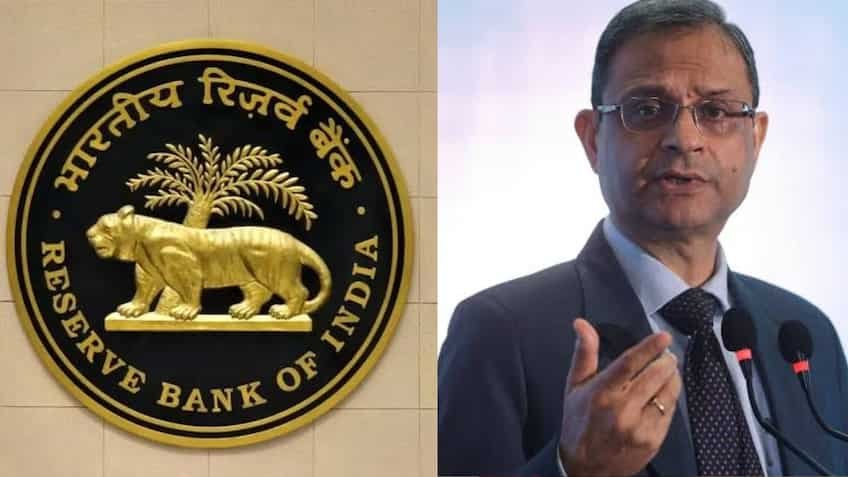
The decisions of the three-day bi-monthly review meeting of the Monetary Policy Committee (MPC) of the Reserve Bank of India (RBI) will be formally announced by the Governor at 10:00 am today. The eyes of financial markets, economists and millions of bank customers are on whether the central bank will keep interest rates at 5.25% or reduce the policy rate to curb inflation. Increase of 25 basis points (0.25%) do it 5.50% But will take. It is noteworthy that after reducing the repo rate by a total of 125 basis points in the year 2025, the Reserve Bank was keeping the repo rate stable at 5.25% for the last four meetings. If this increase is announced today, it will be the first rate hike since February 2023 (when rates were raised to 6.50%).
During the last four bi-monthly cycles, the central bank had kept the rates unchanged, keeping its stance ‘neutral’ to support the pace of industrial activity and growth in the country. However, the economic equations have changed rapidly in the current meeting:
-
Rise in retail inflation: Retail inflation (CPI) has accelerated in recent months due to volatile prices of food items and vegetables.
-
International Crude Oil Prices: The rise in Brent crude prices due to geopolitical tensions and supply concerns in West Asia has led to rising import bills and pressure on the current account deficit.
-
Strict stance of global central banks: The risk of capital outflows has increased due to bond yields remaining at high levels in global financial markets, including the US Federal Reserve, which is considered necessary to control attractive domestic interest rates.
Direct impact of possible 25 bps hike (5.25% → 5.50%)
| financial component | Current Situation (5.25%) | After 25 bps increase (5.50%) | Immediate impact on general public and market |
| Home Loan EMI (RLLR/EBLR) | Average 8.50% annual rate | Estimated to increase to 8.75% | Monthly increase of ₹635 and total interest of ~₹1.5 lakh on a 20-year loan of ₹40 lakh. |
| Bank Fixed Deposit (FD) | 7.00% – 7.75% pa | Likely to increase by 15 to 25 bps | Increase in fixed interest income of senior citizens and savers |
| Auto and Personal Loan | Floating rates at lowest level | New and floating loans costlier by 0.25% | Slight increase in cost of new car or consumer durables loan during festive season |
| Equities | sensitive business | Short-term pressure on realty and auto stocks | Mixed impact on margins of banking and NBFC sector |
All major commercial banks in the country (like SBI, PNB, HDFC Bank, ICICI Bank) link their floating rate retail loans to the Repo Linked External Lending Rate (EBLR/RLLR). Banks automatically increase their lending rates as soon as the RBI changes the repo rate. If a borrower’s home loan of ₹ 30 lakh is for 20 years, then with a 0.25% interest rate increase, either his monthly installment will increase by approximately ₹ 475, or the bank will extend the loan tenure by 8 to 12 months.
While rate hike is a cause of concern for loan holders, it proves beneficial for retired employees and fixed income investors. After the increase in repo rate, banks have to attract deposits to meet the credit growth, due to which commercial and small finance banks will increase their 1 to 3 year FD rates by 15 to 30 basis points. Senior citizens can expect to get returns ranging from 8.25% to 8.50% in select banks.
-
Part Prepayment: If your EMI increases, repay 5% of the principal amount once a year from your bonus or additional savings; Due to this, the increased period automatically reduces to the old limit.
-
Opt for EMI, not tenure: Banks usually extend the loan period without asking. By giving written instructions to the bank, increase the monthly EMI while keeping the tenure constant, so that the total interest payment remains limited.
-
Balance transfer to low interest bank: If your existing bank is charging high lending spreads, look at the option of transferring the home loan to another bank with competitive rates and lower processing charges.