 look news india

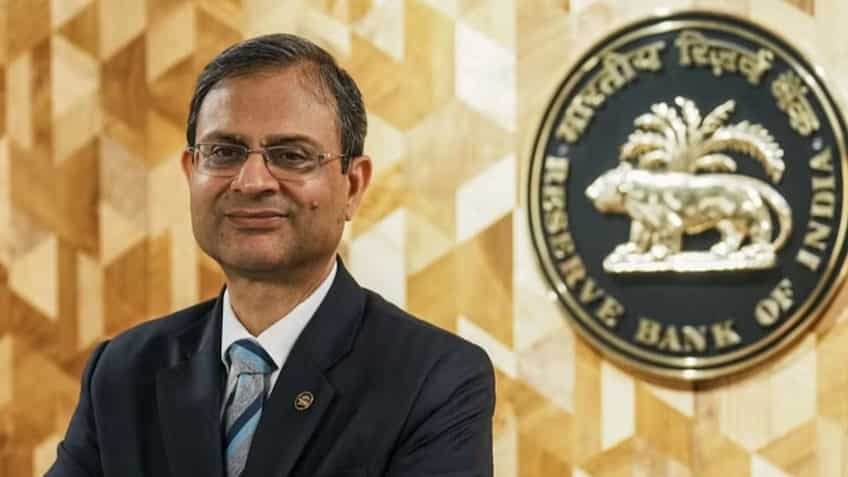
The Monetary Policy Committee (MPC) of the Reserve Bank of India (RBI) has announced an increase in policy rates, taking strict steps amid rising inflation and ongoing tension in West Asia. For the first time after February 2023, i.e. after a long gap of about 44 months, the central bank has increased the repo rate by 25 basis points (0.25%). After this decision, the main policy repo rate in the country increased from 5.25%. 5.50% Has reached the level of. With this, the Standing Deposit Facility (SDF) rate has been revised to 5.25% and the Marginal Standing Facility (MSF) and bank rate has been revised to 5.75%. This unexpected move by RBI will increase the borrowing cost of commercial banks, which is sure to have a direct impact on the monthly EMIs of home loans, auto loans and personal loans of retail customers.
This is the first time in the tenure of Governor Sanjay Malhotra after assuming office in December 2024 that interest rates have been increased. Announcing the decisions of the MPC, Governor Malhotra said that the inflation scenario at the global and domestic level is no longer as favorable as it was earlier. Crude oil (Brent crude) crossing $100 per barrel in the international market, disruption in the global supply chain and rising food inflation pressure due to weak monsoon have been the main catalysts for this decision. The central bank has increased the estimate of retail inflation (CPI Inflation) for the current financial year 2026-27 from 5.0% to 5.2%. The Governor made it clear that unless inflation is brought closer to the target of 4% in the medium term, easing of policies is not possible.
Along with the increase in interest rates, the MPC changed its policy posture i.e. ‘Policy Stance’ from ‘Neutral’. ‘Calibrated Tightening’ Is done. On the question of further rate hike in future, Governor Sanjay Malhotra clarified the situation in blunt words:
-
Possibility of rate cut completely eliminated: The Governor clearly said that in the current circumstances the option of ‘rate cut’ (cut in interest rates) is completely off the table for the near future.
-
Only two options left—hike or pause: The next step of RBI in the upcoming meetings can only be another ‘rate hike’ or keeping the rates stable i.e. ‘pause’.
-
Data-Driven Strategy: Further action will depend entirely on the upcoming inflation data, global oil prices and the strength of domestic growth. If supply-side inflation becomes widespread, there will be no hesitation in raising rates further.
Amidst tough decisions, Governor Malhotra expressed deep confidence in the internal strength of the Indian economy. RBI has increased India’s real GDP growth forecast for the current financial year by 40 basis points. 7.1 percent Is done. Strong domestic demand, recovery in manufacturing, strong private investment and credit growth of over 18% have given the central bank enough flexibility to take a tough hit on inflation without causing a blow to economic momentum. RBI believes that the economy is in such a strong position that it can easily absorb this modest increase in borrowing costs.
-
Increase in loan EMI: Since all the floating retail loans of banks are linked to the external benchmark (EBLR/RLLR), the interest rates of banks will automatically increase once the repo rate is increased by 0.25%. For example, on a 20-year home loan of ₹30 lakh, the monthly EMI will increase by approximately ₹470 to ₹500.
-
You will get better returns on bank FD: As lending rates rise, banks will have to raise more deposits to meet their credit demand. Due to this, public and private banks can increase their fixed deposit (FD) rates by 15 to 30 basis points, which will directly benefit safe investors and senior citizens.