 look news india

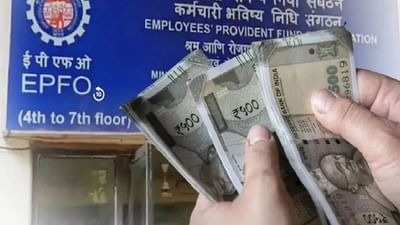
Sometimes due to change of job or other circumstances we have to withdraw our EPF (Employees Provident Fund). But do you know that if you withdraw your PF before 5 years, it may be taxed? EPF is generally considered a tax-free scheme, but it requires certain conditions to be fulfilled. Let us understand when withdrawals from EPF are taxable and when not.
Is EPF a tax-free scheme?
- EPF is called an “exempt-exempt-exempt” (EEE) scheme. This means that the amount you deposit is not taxed,
- Interest earned on investments is also tax-free,
- And if you continue to serve for at least 5 years, the entire maturity amount also remains tax-free.
- Under the old tax regime, contributions to EPF were eligible for tax exemption up to ₹1.5 lakh under Section 80C. In the new tax regime, this benefit is applicable only to the contribution made by the employer.
When is EPF withdrawal allowed?
If you retire at the age of 55, or leave a permanent job due to circumstances like ill health, transfer abroad, or company closure, you can withdraw your entire EPF balance.
In some cases, PF withdrawal is allowed even after voluntary retirement or retrenchment. However, withdrawal of the entire EPF balance is allowed only if the member has been unemployed for at least two months.
- If you withdraw EPF before 5 years, how will it be taxed?
- If you withdraw PF without completing 5 years of continuous service, TDS (Tax Deducted at Source) is applicable on it.
- If you provide PAN number, TDS will be deducted at the rate of 10%.
- And if PAN is not provided then the TDS rate can be around 34.6%.
However, TDS is not applicable in some cases, such as when PF amount is transferred from one account to another, or when employment is terminated due to company closure, illness or other uncontrolled reasons.
How is 5 years of service calculated?
Here “5 years of service” does not just mean completing 5 years in the same job. If you leave one company and join another company and transfer your PF, then service from the previous job is also considered. That is, if your total service period is more than 5 years, then PF withdrawal will be tax-free.
If your employment is terminated due to illness, accident or illegal strike, that will also be considered as continuous service.
Can TDS be avoided?
If your service is less than 5 years, there is no direct way to avoid TDS. But a smart option is that if you have left the job and 5 years have not completed, then instead of withdrawing the PF, transfer it to a new PF account. This way your service will be counted continuously and when your total service exceeds 5 years, you will be able to withdraw the entire amount tax-free.