 look news india

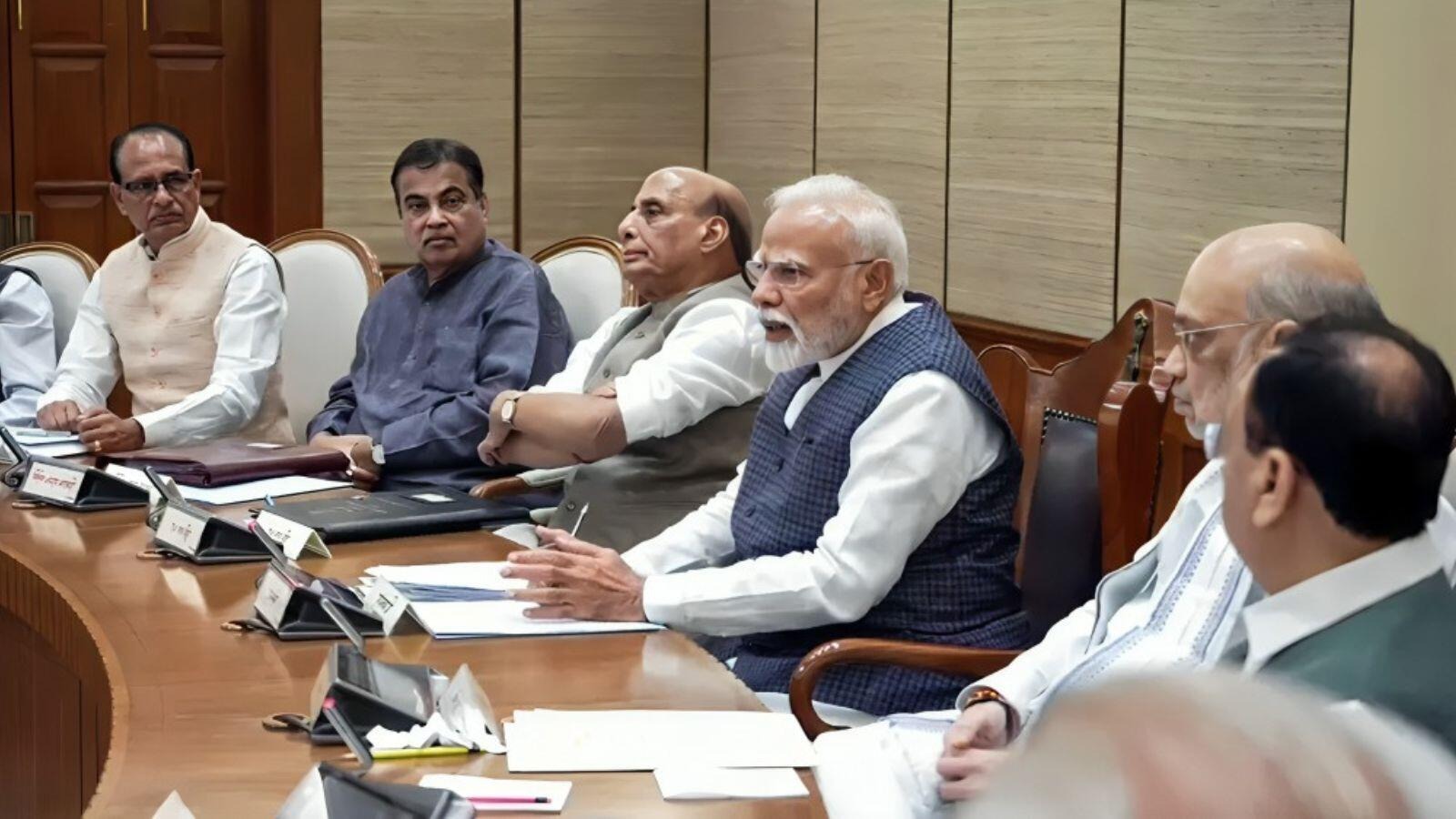
Taking a very important step towards making the administrative structure of the country more accessible, transparent and modern, Prime Minister Narendra Modi has issued two very important instructions to all the Union Ministers. In today’s digital era, where the common citizen of the country has become dependent on online portals and mobile apps for every small and big government service, many times people have to face huge problems due to complex interfaces and server problems. Taking cognizance of this serious problem, Prime Minister Modi has given clear instructions that the websites of all government departments should be made completely user friendly, so that even a common person living in remote areas of the country can easily avail these services without any technical complications. The main objective behind this instruction is to further strengthen the Digital India Mission at the grassroots level, so that the compulsion of visiting government offices can end forever and the governance system can become completely people-friendly. The Prime Minister’s clear message is that technology should not be used to harass the public but to make their lives very easy and comfortable, for which now all the ministries are preparing a plan to work on a war footing.
Growing steps of Digital India and technical challenges facing government portals
Ever since the Digital India campaign was started in the country, hundreds of portals and apps of central and state governments have been launched, through which crores of people are getting their essential services every day. But a large section of technical experts and common users have been complaining for a long time that the design of many government websites is so complex and outdated that it becomes a difficult task for a common citizen to find the right information from it. Problems like sudden crash of the server while filling the form, errors in uploading of documents and extremely slow loading of pages are seen daily, due to which the basic objective of digital governance is affected in some way or the other. Expressing strong displeasure over these shortcomings during the meeting of ministers, Prime Minister Modi has asked to ensure that the user interface i.e. UI of government portals should be so simple that even an ordinary educated person can navigate easily without any outside help. Emphasis is being laid on making these portals faster and more secure by using modern technology, Artificial Intelligence and cloud based systems, so that millions of people can visit any website simultaneously without any interruption and they can get the best digital experience.
Two important instructions given to Union Ministers: Biggest emphasis on simplification and accountability
The first and main point among the two major instructions given by Prime Minister Narendra Modi to the Union Ministers is related to the complete simplification of government services, so that complex laws and paper formalities can be reduced. The second instruction relates to administrative accountability of departments and prompt resolution of public complaints, in which it has been decided that if any technical hurdle is encountered on any portal, it should be resolved in minimum time. Ministers have also been directed to periodically review the digital platforms of their respective ministries themselves and ensure that feedback from the public is directly reflected in policy changes. Strengthening of digital platforms is the first condition to bring transparency in government work and completely eliminate the scope of corruption, and keeping this in mind, the Prime Minister has given a clear ultimatum to the ministers to keep the public’s convenience paramount. After this instruction, IT cells and technical experts of all the ministries have started auditing their old websites and the process of upgrading them as per the latest standards is being carried forward rapidly, the results of which will be visible on the ground in the coming few months.
A revolutionary phase of administrative reforms towards making the lives of common citizens easier
In the direction of good governance, it has always been the endeavor of Prime Minister Modi that the government itself should reach the doorstep of the common man, and digital technology has proved to be the biggest medium for this. When government websites become completely accessible and user friendly, the elderly, women and youth of the country will not have to get trapped in any kind of bribery or agents to get their pension, scholarship, passport, driving license or other important certificates. All information at one click and services available in a transparent manner further strengthen the trust in governance in the minds of the citizens of the country, which is the most essential aspect for a healthy democracy. The government’s intention is to make India’s digital public infrastructure an example for the world, where the common man does not need to stand in long queues at government offices to solve his problems. Since the implementation of these instructions of the Prime Minister, a positive pressure is also being seen in the bureaucracy, where officers are now completely forced to work under a technology-based and result-oriented culture, thereby making the administrative system of the country more dynamic.
Digital India of the future and unwavering commitment to empowering citizens.
With the rapid adoption of Artificial Intelligence, Blockchain and advanced digital technologies by India in the coming times, making government services smart has become the biggest demand of the time. It is the vision of Prime Minister Narendra Modi that every citizen of the country should become self-reliant in terms of technology and the benefits of welfare schemes run by the government should reach their bank accounts directly without any leakage. Unless government websites and apps are accessible to the general public and in easy to understand language, the goal of 100% digital literacy and empowerment cannot be achieved. These instructions given to the Union Ministers are not just an administrative formality, but a historic policy decision to outline the digital future of India, which will rapidly move the country on the path of becoming a developed nation. The people of the country are also now expecting that soon they will get more fast, secure and hassle-free digital government services, which will make their everyday life more easy and stress-free and this digital bridge between the government and the people will emerge stronger.