 look news india

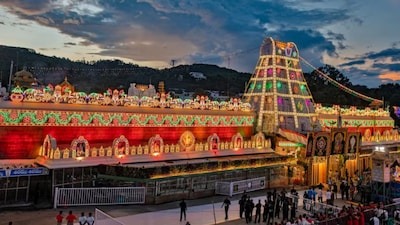
News India Live, Digital Desk: The nature of pilgrimage in India has now changed from ‘dusty’ paths to luxury and ease Has moved towards. According to recent data (MakeMyTrip and government reports), bookings for stays at religious places have 19% to 25% An annual increase of up to. Now pilgrims are traveling not just for worship, but for a ‘holistic’ experience.
1. ‘Premium’ pilgrimage: The rise of luxury hotels and homestays
Pilgrims are now preferring comfortable and premium experiences rather than dharamsalas:
High-Value Booking: Rooms ranging from ₹7,000 to ₹10,000 per night are in demand. 24% There has been an increase.
Major destinations: There are long rows of five-star hotels and ‘heritage mansions’ in Varanasi, Ayodhya and Tirupati.
Homestay Culture: To get a closer feel of the local culture 10% Travelers are now choosing luxury homestays and apartments.
2. ‘Young’ devotees: When faith became ‘trend’
The most interesting aspect of this boom is that now Millennials And Gen-Z The largest stakeholders of pilgrimage are becoming:
Spiritual Wellness: The youth now not only visit temples, but also visit places like Rishikesh and Bodhgaya. Yoga, meditation and Ayurvedic medicine Going for.
Social Media Impact: Influencers and reels have made religious places ‘cool’ and ‘aesthetic’, which has increased the attraction towards these places among the youth.
3. Infrastructure: Impact of ‘Vande Bharat’ and ‘Bullet Train’
Budget 2026 and government schemes have given a new direction to connectivity:
high speed rail: Projects like the Delhi-Varanasi Bullet Train Corridor have reduced travel time. 3-4 hours Has been limited to.
Helicopter Services: Chopper and ropeway services have now become common for inaccessible areas like Chardham (Kedarnath, Badrinath) and Mata Vaishno Devi.
PRASHAD SCHEME: The government has increased the budget for the development of religious circuits and focused on basic amenities (pure drinking water, modern toilets and Wi-Fi).
4. Digital and ‘seamless’ experience
Smart Ticketing: Now instead of standing in long queues, ‘slot-based’ online booking and QR-code entry have made darshan easier.
Virtual Darshan: Many major temples have started the facility of aarti and darshan sitting at home through VR (Virtual Reality), which is proving to be a boon for the elderly and Indians living abroad (NRIs).
[Image showing a modern high-speed train reaching an ancient temple city, blending tradition with futuristic infrastructure]Major spiritual ‘trends’ of 2026
| trend | Description |
|---|---|
| group travel | 47% of bookings in pilgrimage are taking place with groups (family/friends). |
| short stay | 53% travelers are preferring only 1 night stay (Quick Spiritual Recharge). |
| Buddhist Circuit | Rapid expansion of Buddhist tourism in North-East India (Arunachal, Sikkim). |
| Eco-Pilgrimage | Mass movement for waste management and plastic-free pilgrimage sites. |