 look news india

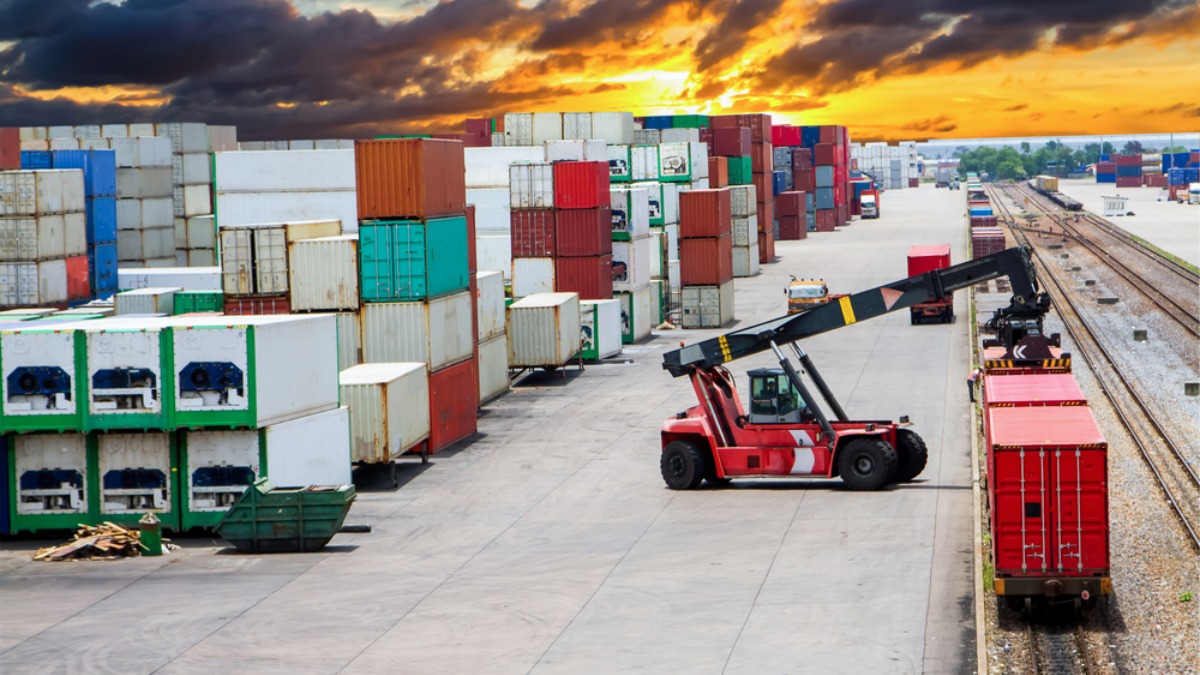
Whenever we talk about India’s economic progress, our mind often thinks of manufacturing, IT or service sector. But behind the curtain there is such a huge and powerful sector that is becoming the real backbone of India’s economy – and that is Indian Logistics Sector,
The government has recently made a very encouraging claim according to which India’s logistics industry till the year 2026 10.7 percent compound annual growth rate (CAGR) Will grow from This is not just a figure, it is an indication that millions of new employment opportunities will be created in the country and the ‘Make in India’ campaign will get a new, rocket -like momentum.
So let’s understand in easy language what this logistics sector is, why is it growing so fast, and what effect it will have on you and our life.
What is logistics sector? (Understand in very easy language)
Imagine that you ordered a mobile phone from Amazon or Flipkart. The phone is out of the factory, reaching the large warehouse, coming to the center of your city, and then the delivery boy is being saved to your home safe – this entire process is part of the logistics and supply chain management (Supply Chain Management).
In short, managing the entire system to reach its customer from the place of formation of any goods is called logistics. This includes many things such as transportation (truck, train, airplane), warehousing (storage), inventory management, packaging and last-mile delivery. The stronger and faster the country whose logistics sector is as strong and faster, the faster the economy of that country runs.
What are the major reasons behind this rocket-speed growth?
There are many solid and major reasons behind the high leap that India’s logistics sector is jumping today, of which government policies and changing markets are the biggest hand.
- Government’s master-stroke policies (PM Gati Shakti & National Logistics Policy):
- National Logistics Policy – NLP: Launched in 2022, this policy has proved to be a game-changer for this sector. Its main goal is to reduce the cost of logistics from 13–14% of India’s GDP to 8%, which is equal to global standards. This will make the goods cheaper and Indian products will become more competitive in the world market.
- PM Gati Shakti Master Plan (PM Gati Shakti Master Plan): It is a digital platform that connects 16 ministries like railways, roads, ports simultaneously. The advantage of this is that now the planning and construction of infrastructure projects (such as roads, railway lines) in the country is being done very fast and without any hindrance, due to which the movement of goods has become more facilitated than before.
- Infrastructure Mahavasar: The new expressway, dedicated freight corridors (separate tracks for freight trains), new airports and portions are being modernized this sector.
- E-commerce and ‘delivery’ revolution: The trend of online shopping in India has increased rapidly. Today we expect grocery delivery in 10 minutes. The demand for this fast and efficient delivery has given a tremendous boost to logistics, especially last-mile delivery and warehousing.
- GST – One Country, One Market: With the implementation of GST, the check-posts on the boundaries of the states were eliminated, causing the movement of trucks to be several times before and the time of transportation has decreased.
Crores of jobs will open a box: golden opportunity for youth
The development of the logistics sector is bringing immense possibilities not only for companies, but also for the youth of the country. It is estimated that this sector will create millions of direct and indirect employment in the coming years.
- What kind of jobs will you get?
- Supply chain managers
- Warehouse operators
- Truck drivers and fleet managers
- Data analysts
- Logistics software developers
- Delivery partners and managers
This sector is fully prepared to play the role of a main engine in making India a $ 5 trillion dollar economy and realizing the dream of a ‘developed India’.