 look news india

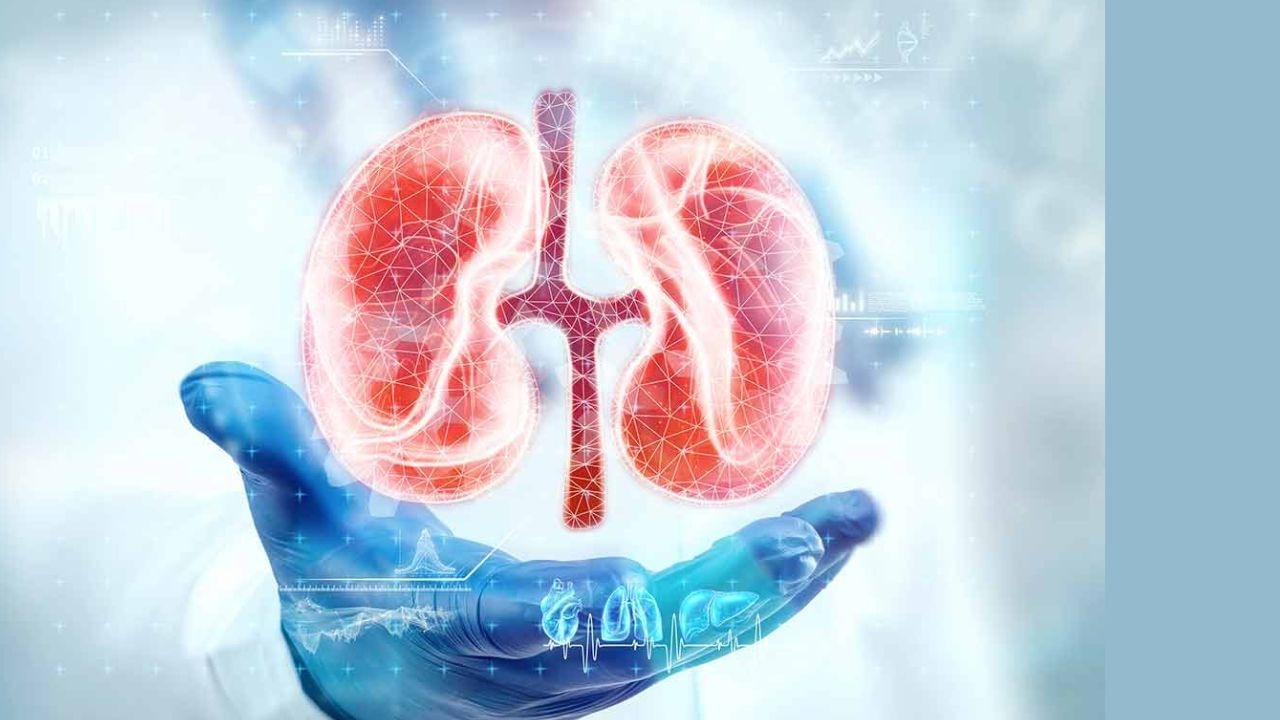
Kidney stones: Kidneys are an important part of our body, which purifies the blood and removes toxins and excess water. Urine is formed during this process. Kidneys maintain the balance of minerals and fluids in the body to ensure healthy tasks. However, when excessive amounts of calcium, oxalate or uric acid accumulate in the urine, they are crystallized and gradually form kidney stones.
These stones can be small in size, but sometimes become so large that they can block the kidneys or urinary tract. Inadequate water intake, excessive salt or protein intake, lifestyle disorders and genetic factors increase the risk of kidney stones.
Kidney stones do not give much trouble when they become small in the beginning, but as they grow bigger, they can cause serious harm to the body. They first block the urinary tract. This causes severe pain and swelling. Sometimes blood also comes in urine. If the stones remain in the kidneys or urethra for a long time, it can block urination and increase the risk of urinary tract infection (UTI).
Constant pain and obstruction can gradually reduce kidney functionality. Large stones can cause permanent damage to the kidneys, which may require dialysis or surgery. Additionally, prolonged pressure on the kidneys can cause hypertension and other cardiovascular problems. Therefore, it can be dangerous to take kidney stones lightly.
Kidney stones are not only due to food or habits, but it can also be hereditary. According to the National Library of Medicine, in about 20 to 30 percent of cases, kidney stones reach from one generation to another. This means that if the parent or a close relative has had kidney stones, its risk increases in the next generation.
Dr. Himanshu Verma of Nephrology Department of Safdarjung Hospital says that the main reason for this is the metabolic process of the body. Some people have a high level of calcium, uric acid or oxalate naturally in their body. In such a situation, there is a risk of kidney stones with a normal diet.
In addition, it is believed that heredity plays a major role in families where stones are repeated. Drinking insufficient water such as poor lifestyle, excessive salt and protein intake, or repeated urinary tract infections (UTIs) can also increase this condition. Therefore, people who have a history of kidney stones in their families should be cautious from the beginning and conduct regular checks.
How to avoid this: Drink plenty of water throughout the day. Control salt and protein intake. Reduce the intake of oxalated foods like spinach, chocolate and tea. Include fresh vegetables and fruits in your diet. Stay away from alcohol and fast food. Get health checks regularly, especially if someone in your family has stones.