 look news india

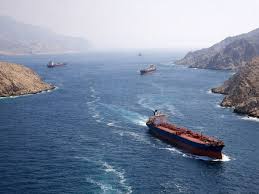
News India Live, Digital Desk: Amidst the ongoing tension in the Middle East and the recent conflict with America-Israel, Iran has made the world’s most important oil route ‘Strait of Hormuz’ a source of income. According to latest reports, Iran is charging a huge ‘toll fee’ of 2 million dollars (about Rs 16.5 crore) per ship from international oil tankers passing through this narrow sea route. This move by Iran has created a stir among global shipping companies, as it is being considered a flagrant violation of international maritime laws.
Benefit of Iran’s ‘strength’ or compulsion?
Alaeddin Boroujerdi, a member of the Iranian Parliament’s National Security Committee, confirmed the recovery in a statement to state media (IRIB). He said that charging transit fees from ships passing through Hormuz is a demonstration of Iran’s sovereignty and its military strength. The route has been closed and opened several times since the February 28 attacks on Tehran. Now Iran has created a ‘safe corridor’ here, in exchange for passing through which it is demanding a huge amount. The shocking thing is that this payment is reportedly being taken in cryptocurrency or Chinese Yuan.
What will be the impact on Indian ships?
This news is worrying for India because most of the country’s crude oil comes through this route. However, Indian Ministry of External Affairs (MEA) spokesperson Randhir Jaiswal has clarified that there has been no official discussion between India and Iran regarding any such ‘toll’. India has always demanded ‘free and safe’ navigation through this waterway. According to reports, with India being a ‘friendly country’, some tankers have been allowed to pass safely, but there is suspense over whether Indian ships will also have to pay this in future.
The impact of ‘inflation’ on the global economy
One-fifth of the world’s total oil supply passes through this Strait of Hormuz. If shipping companies have to pay $2 million per tanker, it will have a direct impact on crude oil prices. Although economists say that these costs are being borne by the companies at present, the prices of petrol and diesel are certain to increase in the long run. On the other hand, America and Oman have called this toll proposal illegal. America has put pressure on Iran to remove the naval mines laid in the sea and stop disrupting international trade.