 look news india

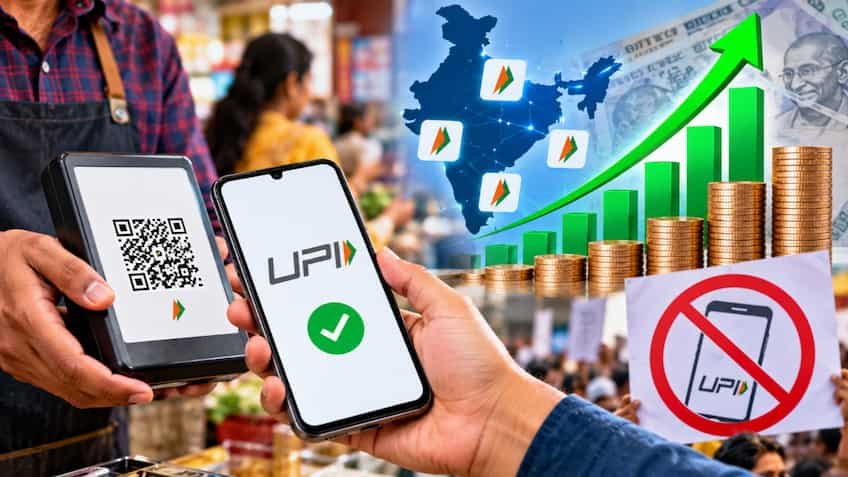
In the Indian financial technology (Fintech) landscape, Unified Payments Interface (UPI) has once again set a milestone that has taken the global payment systems by surprise. According to the latest data for the month of September released by National Payments Corporation of India (NPCI), the value of total transactions through UPI has crossed the historical level of ₹29.37 lakh crore, registering a huge growth of more than 23 percent on an annual basis. This figure is not only a clear indication of the rapid digitization of the Indian economy, but also proves that UPI has now become the biggest and undisputed alternative to cash in the everyday lives of the common people.
The main reasons behind this record surge recorded in the month of September were quarter-end corporate settlements, advance purchases of the festive season and rapid increase in micro-transactions in local markets. UPI was given priority in retail stores, e-commerce platforms, grocery stores and travel bookings on the eve of Ganesh Utsav, Onam and Navratri. Experts believe that the continuous increase in the number of monthly transactions per capita shows that Indian consumers now want to be completely free from the hassle of carrying cash in their pockets.
In the middle of September, a campaign of ‘No UPI Day’ i.e. complete boycott of UPI for one day was started by some groups and technology critics on social media platforms. The main reasons behind this campaign were recent misleading messages related to Merchant Discount Rate (MDR), occasional technical glitches in servers and some concerns related to privacy and security. The campaigners claimed that if the general public stopped using UPI for a day and paid only through cash, it would put pressure on digital payment companies and banks.
However, when the figures came out, it became clear that this so-called boycott was far from the ground reality and proved to be a complete flop. The public completely rejected this social media campaign. The biggest reason behind this is that today UPI is not just an option, but has become an essential part of the daily lifestyle of crores of citizens of the country. From morning tea and milk bags to auto rickshaw fares and dinner bills, people are no longer dependent on cash. When consumers have become accustomed to the convenience of making payments in two seconds on their mobile screen instead of searching for cash in their pockets, they are no longer willing to stand in long queues at ATMs just because of a hashtag on social media.
If seen at the local level, the second biggest reason for the boycott being completely ineffective was the reaction of small shopkeepers and street vendors. Millions of small traders in India’s tier-2, tier-3 cities and rural towns have made it clear that UPI has become the backbone of their business. Freedom from hassles of loose change, safe deposit of money directly into bank account and preparation of financial track record without any cost are making it easier for businessmen to get small business loans from banks.
Additionally, after leading public sector banks like Bank of Baroda and State Bank of India (SBI) clarified that there will be no MDR charges for ordinary citizens and general transactions up to ₹2,000, all the misconceptions and apprehensions spread among the public were completely dispelled. Customers were assured that the government and regulatory bodies were not going to impose any additional financial burden on the common user.
These incredible figures of September have proved another important thing that the technical infrastructure of Indian banking and fintech is now fully capable of handling the unprecedented load. The increasing popularity of UPI Lite has greatly reduced the load on the main servers of banks, thereby reducing the rate of failed transactions to the lowest level. Consumers are settling small payments instantly without any PIN or network delay.
Additionally, the UPI linkage of RuPay credit card and the mandatory availability of UPI at all toll plazas, metro stations and municipality charges across the country has made it ubiquitous. India’s UPI network is expanding rapidly even at the global level. Experts estimate that due to heavy purchases of Dhanteras and Diwali in the coming festive months (October and November), the monthly transaction figure may cross the ₹ 30 lakh crore mark and create a new global benchmark. Campaigns like ‘No UPI Day’ were enough to prove that the wheel of Digital India is not going to turn back now.