 look news india

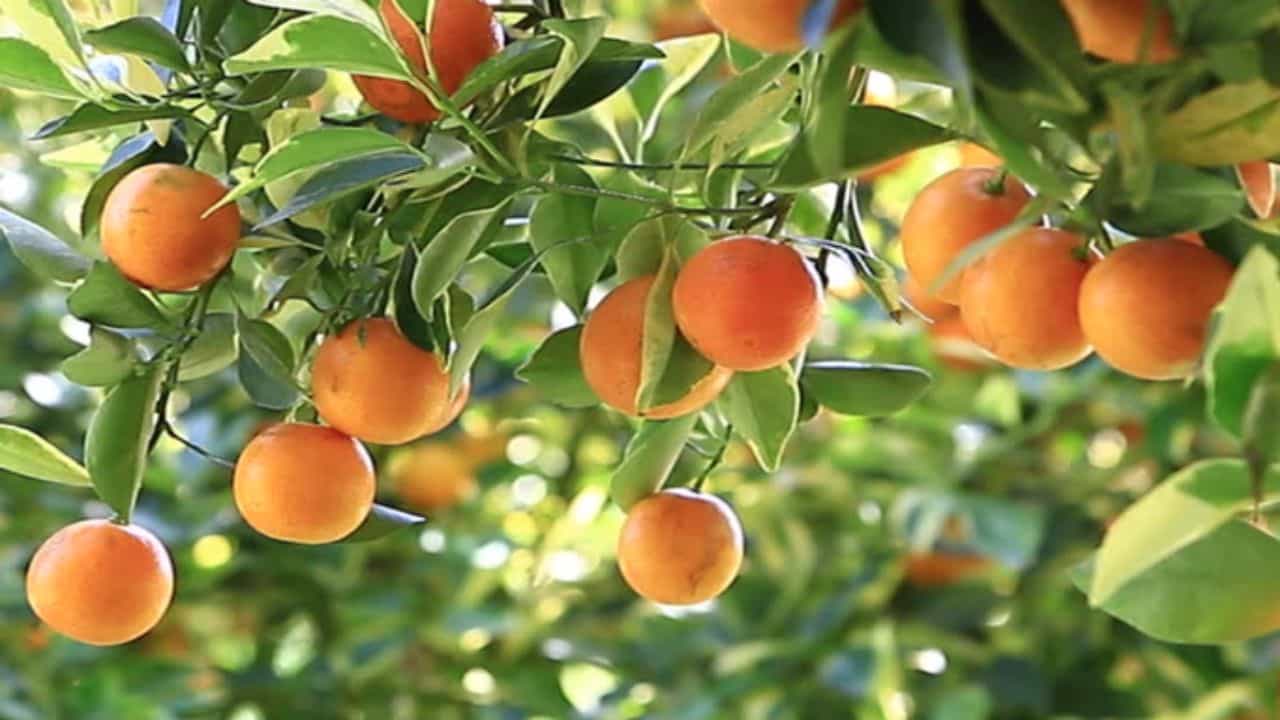
A very unique and historic decision has come from the court which establishes a balance between environmental protection and the judicial system. The petitioners who had approached the court regarding the felling of trees and related disputes had to face a pleasant and shocking experience when the High Court, while hearing the case, not only took the legal process forward but also taught them the lesson of personal responsibility towards the environment. The court, adopting a unique judicial approach, has passed a strict order requiring all the petitioners to individually plant 25 fruit or shade trees and ensure their regular maintenance. This decision has given a clear message that the judiciary is not limited to mere paper laws, but is also completely sensitive and committed to the conservation of nature and the safe future of the coming generations.
What was the whole controversy and why did the matter reach the court?
This entire matter was related to the felling of trees at the local level and the land dispute related to it. The petitioners had filed a writ petition in the court against the cutting of trees, construction work or administrative action in the concerned area. During the hearing of the case, the fact came to light that due to development works, private construction or mutual differences, the existence of lush green trees was in danger. While one side was demanding action citing their legal rights and private property, on the other side there was a serious question of damage being caused to the local environment and green cover. After hearing detailed arguments from both sides, the court observed that the damage caused to nature cannot be compensated by mere punitive action or legal process.
Court’s strict and sensitive comment: Ignoring the environment cannot be tolerated
During the hearing, the Justice expressed deep concern and said that today the entire world is struggling with global warming, climate change, pollution and unexpected weather disasters. In such times, every tree is a source of life-giving oxygen for human life. Commenting orally, the court said that citizens are often very cautious about their rights, but completely forget their fundamental duties mentioned under Article 51A (g) of the Constitution. It is the moral and legal responsibility of every person who is involved in disputes related to exploiting nature or cutting trees to also try to return nature back.
Detailed court instructions for planting and conservation of 25-25 trees
In its order, the court did not limit itself to just the formality of planting trees, but also laid down the complete outline of their conservation:
-
Selection of tree species: The petitioners have been instructed to plant trees suitable for the local climate. These include traditional shade and fruit trees like Peepal, Banyan, Neem, Jamun, Mango, Shisham, Mahua and Gulmohar, which are long lived and provide maximum oxygen to the environment.
-
Place of Planting: Saplings have been allowed to be planted in public parks, government school campuses, roadsides, community lands or green belts identified by the local forest department.
-
Care and survival condition: The petitioners have to ensure that the planted saplings survive. They will have to take personal responsibility of watering, fertilizing these plants and installing tree-guards to protect them from animals for at least two to three years.
Work will be done under the supervision of forest department and local administration
For transparent and effective implementation of this unique order, the court has appointed the local Forest Department and the concerned district administration as the nodal agency. The petitioners have been directed to complete the plantation work within the stipulated time period (usually 30 to 60 days). After this, they will have to obtain the official verification certificate of plantation from the concerned Range Forest Officer.
Not only this, taking the help of modern technology, the court has ordered ‘Geo-tagging’ of the plants and filing of Affidavit of Compliance with high quality photographs in the court registry. If the plants dry up or get destroyed within the stipulated time, the petitioner will have to plant new plants in their place.
Big step towards ‘Green Judiciary’ and corrective justice
In recent years, the Indian Judiciary has taken many revolutionary steps in the direction of ‘Environmental Jurisprudence’ and ‘Restorative Justice’. Instead of merely awarding fines or jail sentences in cases, the courts are now assigning such social and environmental tasks that can directly benefit the society. Sometimes the accused in a case are ordered to do community service in the hospital, and sometimes they are asked to run a traffic awareness campaign on violation of traffic rules. In this context, the High Court’s addition of the condition of planting 25-25 trees directly in the dispute related to tree cutting has become a unique example of ‘Green Justice’.
Society and environment lovers welcomed the decision
This progressive decision of the High Court has been welcomed wholeheartedly by environmentalists, social workers and common citizens. Environmental experts believe that if every court makes plantation a mandatory condition in such cases, millions of new trees can be naturally grown across the country. This will not only create environmental sensitivity among the parties involved in the litigation, but will also provide unprecedented help in restoring the rapidly diminishing green cover in cities and towns.
The basic objective of law and justice is to improve society and create a better world for future generations. This decision of the High Court not only provides a just resolution to that specific dispute, but also gives a clear message to the entire society that unless we learn to respect nature and cherish our environment, the vision of real development is incomplete.