 look news india

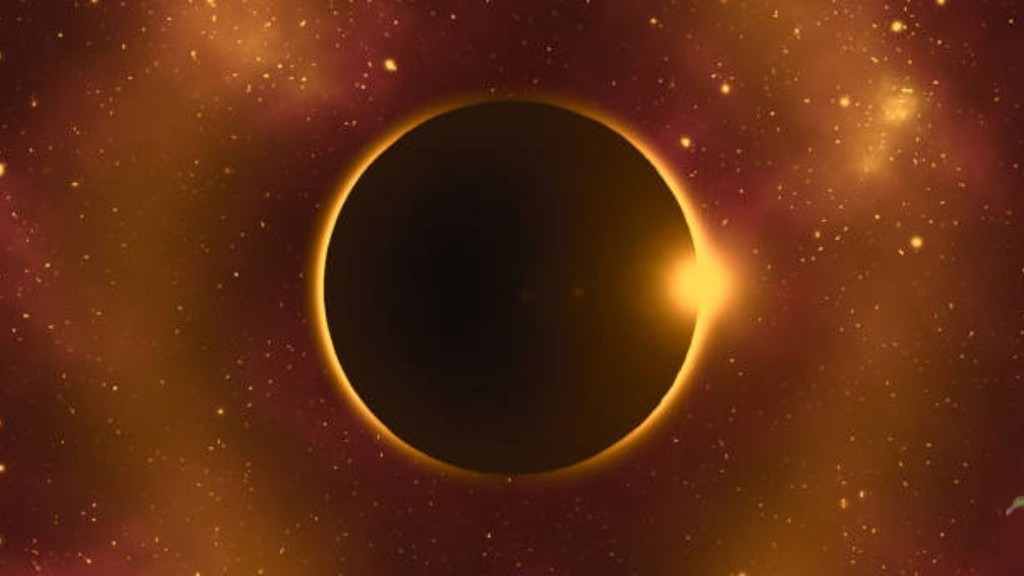
Religion Desk, New Delhi. The month of February is going to be very special for those interested in astronomical events and those who believe in astrology. The first Annular Solar Eclipse of the year 2026 is going to occur on the day of Phalgun Amavasya i.e. 17th February. During this amazing event, the Sun will appear like a glowing ‘ring’ or bracelet, which is called ‘Ring of Fire’ in the language of scientists.
Although this eclipse will not be visible in the Indian sky, its significance is very important at the global level and in terms of astrological calculations.
Time and duration of eclipse
According to Vedic calendar and astronomical calculations, this eclipse will last for about 4 hours 32 minutes:
Beginning of eclipse: 03:26 pm
Total Eclipse (Kankan Stage): 05:13 pm to 06:11 pm
Middle of eclipse: 05:42 pm
End of eclipse: 07:57 pm
There will be a stir in Aquarius
From astrological point of view this solar eclipse Aquarius It’s going to take. The special thing is that during this period, along with the Sun, the elusive planet ‘Rahu’ will also be present in Aquarius. This combination of Rahu and Sun can create mental stress, uncertainty and confusion. Astrologers believe that even if this eclipse is not visible in India, people of Aquarius zodiac sign should be a little cautious about their health and decisions.
Sutak Kaal: Will it be valid or not?
According to the scriptures, Sutak period starts exactly 12 hours before the solar eclipse. The Sutak period of this eclipse occurring on 17th February should start at 03:26 midnight. But, since this eclipse is not visible in India, the rules like Sutak period, closing of doors of temples or ban on worship will not be valid on the Indian territory.
‘Sun’s bracelet’ will be visible in these countries
This solar eclipse will be visible mainly in the countries of the Southern Hemisphere:
Africa: South Africa, Zimbabwe, Namibia, Tanzania and Mauritius.
South America: Chile and parts of Argentina.
Other: Antarctica and areas of the Indian Ocean.
What to do during and after the eclipse?
Even if the Sutak is not valid, following certain traditions is considered beneficial for spiritual purification:
Charity: After the conclusion of the eclipse, it is auspicious to donate grains and white goods to the poor or needy.
Use of Tulsi: There is a tradition of adding basil leaves to food items during the eclipse period.
Bathing and purification: After the eclipse is over, taking bath and sprinkling Ganga water in the house removes negative energy.