 look news india

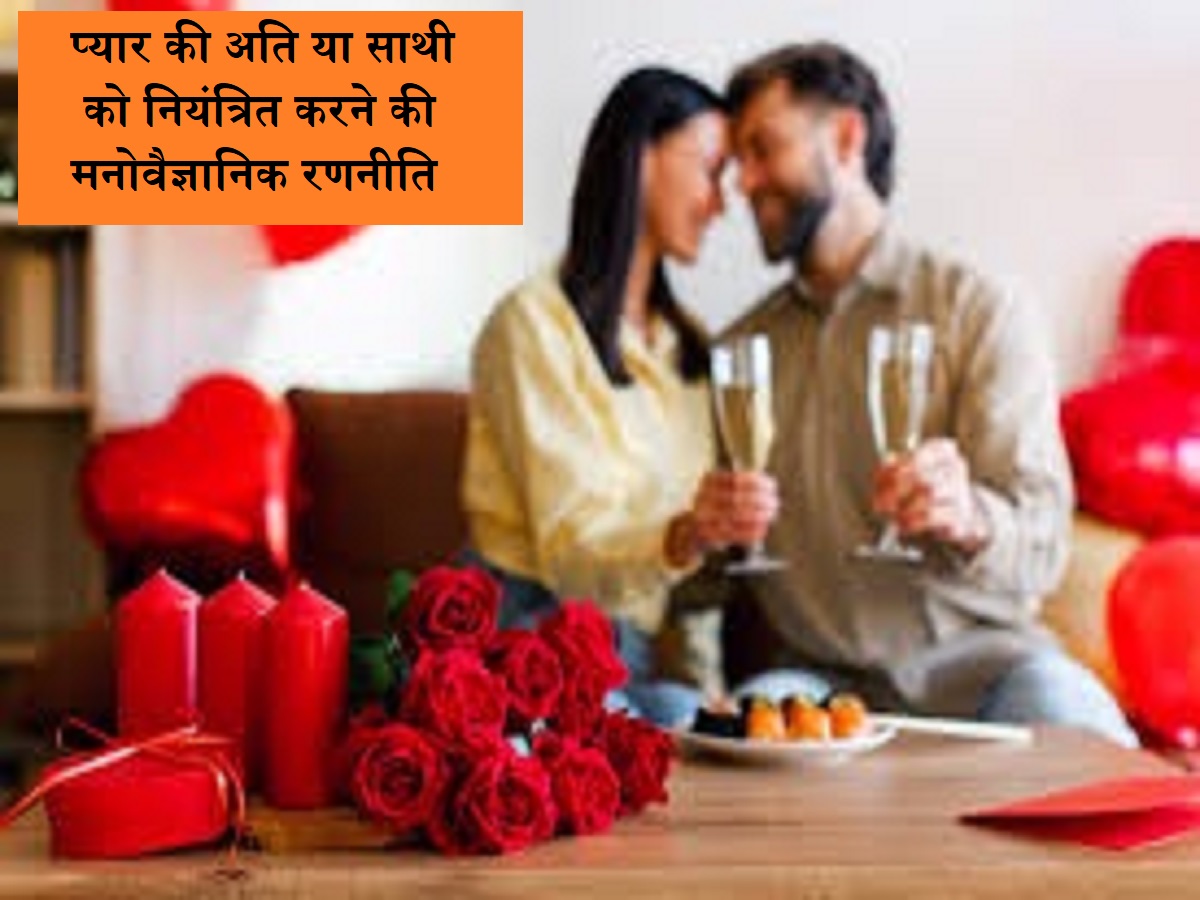
News India Live, Digital Desk: Love Bombing in Relationships: In today’s digital and rapidly changing world, the meaning of relationships has also changed to a great extent. The youth of the new generation, especially generation Z Gen Z), in their relationship, are seen inadvertently or deliberately adopting a concept called Love-Bombing, which may sound romantic, but often it becomes a psychological game of controlling the partner.
Love-bombing is a technique where a person at the beginning of a relationship gives extreme love, immense praise, too much attention and big promises on his partner. It can be full of gifts, attractive plans for the future can be told and the partner can be realized that his ‘only true love’ or ‘solmet’ is the same. In the beginning, the one who is being love-bombing feels very lucky, special and most loved. He feels that his spouse is the most perfect person in the world, giving him so much happiness.
But a deep and often unhealthy intention is hidden behind the excesses of this love. The person doing ‘love-bombing’ is usually struggling with the feeling of insecurity, the intense desire for control, or the experiences of his past. He wants his partner to completely depend on him and tied emotionally. He uses this initial attraction so that later he can get his partner his point, control it or make him away from his friends and family.
When the ‘love-bombing’ person realizes that he has completely trapped his partner in his web, his behavior suddenly starts changing. Love and compliments decrease, efforts to control small things increase, and the partner is blamed for their shortcomings. This is because their goal was to gain the attention and control of the partner, and when he is attained, the drama of over-affection ends. The person trapped in this situation feels as if he is ‘pushed by a high pedestal’, and he often experiences confusion and lack of self-value. He now feels trapped and lonely, which takes the form of emotional misconduct.
There can be many reasons for increasing this trend between Gen Z, such as the impact of social media where there is pressure of ‘perfect relationship’, instant gratiification of quick satisfaction, and sometimes lack of emotional maturity. In the race to make an identity, they want intensity in their relationship, but often do not understand that depth. This is not just a partner’s case of control over another partner, but an inadvertently adopted behavior that damages emotional health. Therefore, if love in relationships seems to grow more than the extent and very fast, then there is a need to stop and think deeply whether it is true affection or any technique of control? Understanding your self-values and limitations is very important to avoid such trap.