 look news india

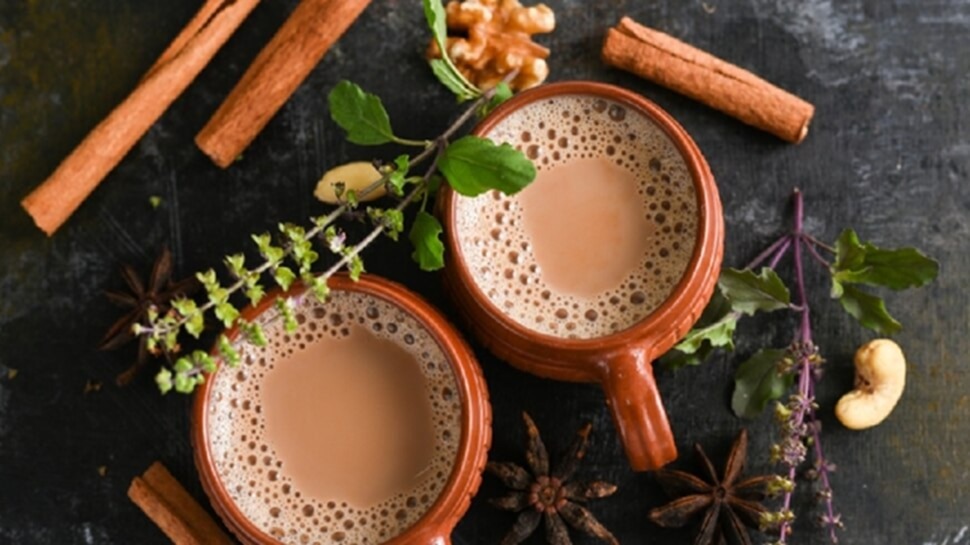
Tea came to India during the British rule. Tea became widespread in India in the 19th century when the East India Company established its tea business to compete with China. In the early 1900s, the British suggested adding milk and sugar to tea to popularize it among Indians. Gradually this trend increased. The habit of drinking tea, which started during the colonial period, did not come to India. It came to India with the British in the 19th century. The East India Company began large-scale tea cultivation to counter China’s dominance of the world tea trade. In the beginning, tea was not grown for Indians. It was grown for export, for the British elite.
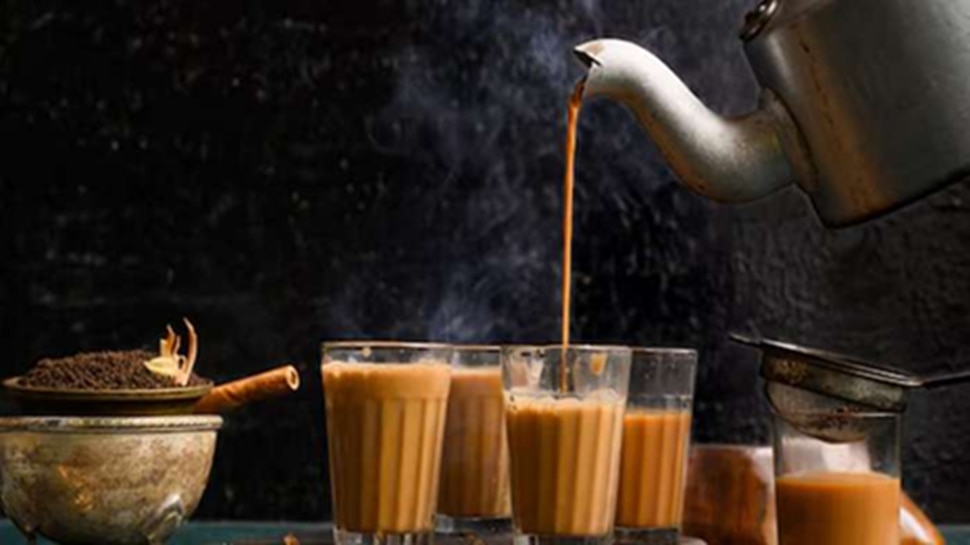
To make tea more delicious, it was suggested to add milk and sugar to it. This idea was successful. Indians did not follow the British way of drinking tea. In this process, Indians experimented according to their tastes. Mixing milk available in every house with tea gave it a new taste. Thus, the tea we drink today came into existence.
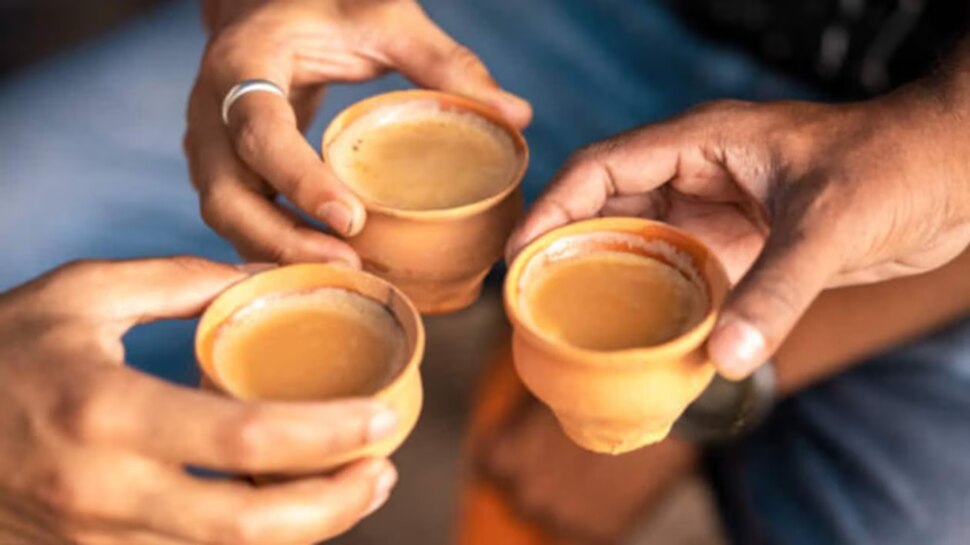
In Britain, the custom of adding milk to tea dates back to the 17th century. British people like to drink black tea with milk. It is called high tea. The practice of adding milk was originally introduced to prevent breakage of delicate porcelain cups when hot tea was poured into them. Bubble tea was invented in Taiwan, East Asia. It is a sweet mixture of milk and chewy tapioca pearls. Thailand’s famous Thai tea is made from sugar and donkey milk. Its color is bright orange.
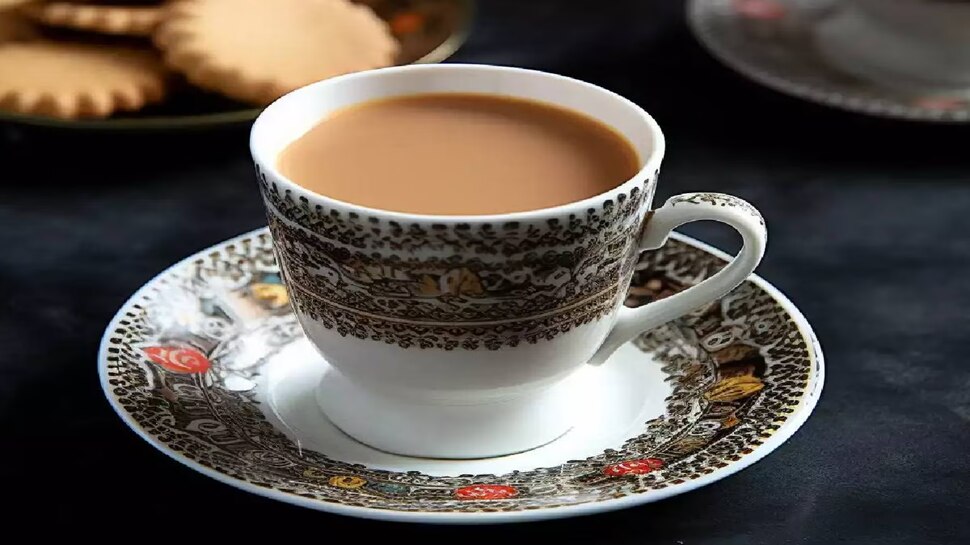
In Malaysia and Singapore, milk tea is called teh tarik. It means filtered tea. It is poured repeatedly from one cup to another to produce foam. Tea is considered an art in China and Japan. Green, oolong and black teas are served without milk to maintain the purity and aroma of the leaves. Similarly, in Türkiye, the world’s largest tea consumer, black tea is served in small glasses without milk.
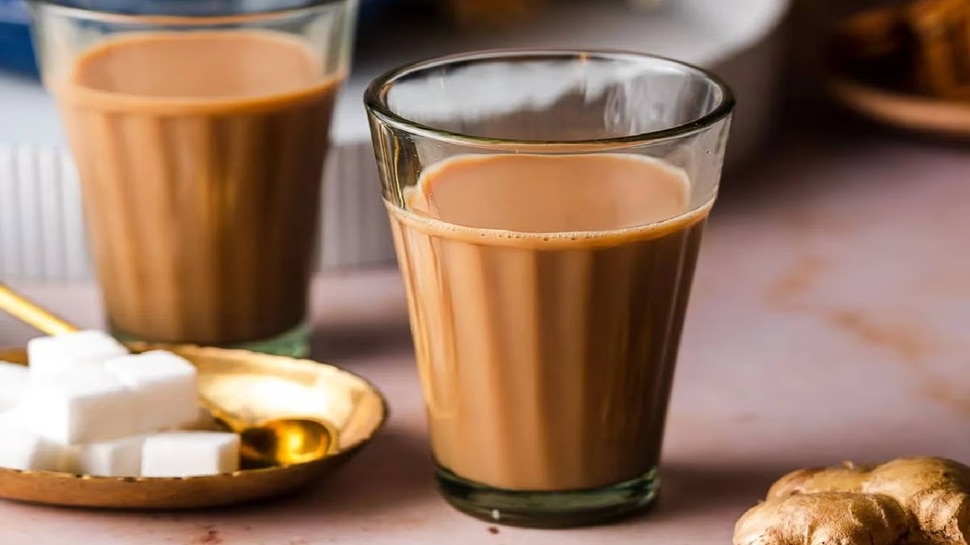
This diversity emphasizes that tea is not just a beverage, but a blend of culture, history and regional flavors. Although Indian masala tea originated under British influence, it has a unique place in the global tea tradition today.