 look news india

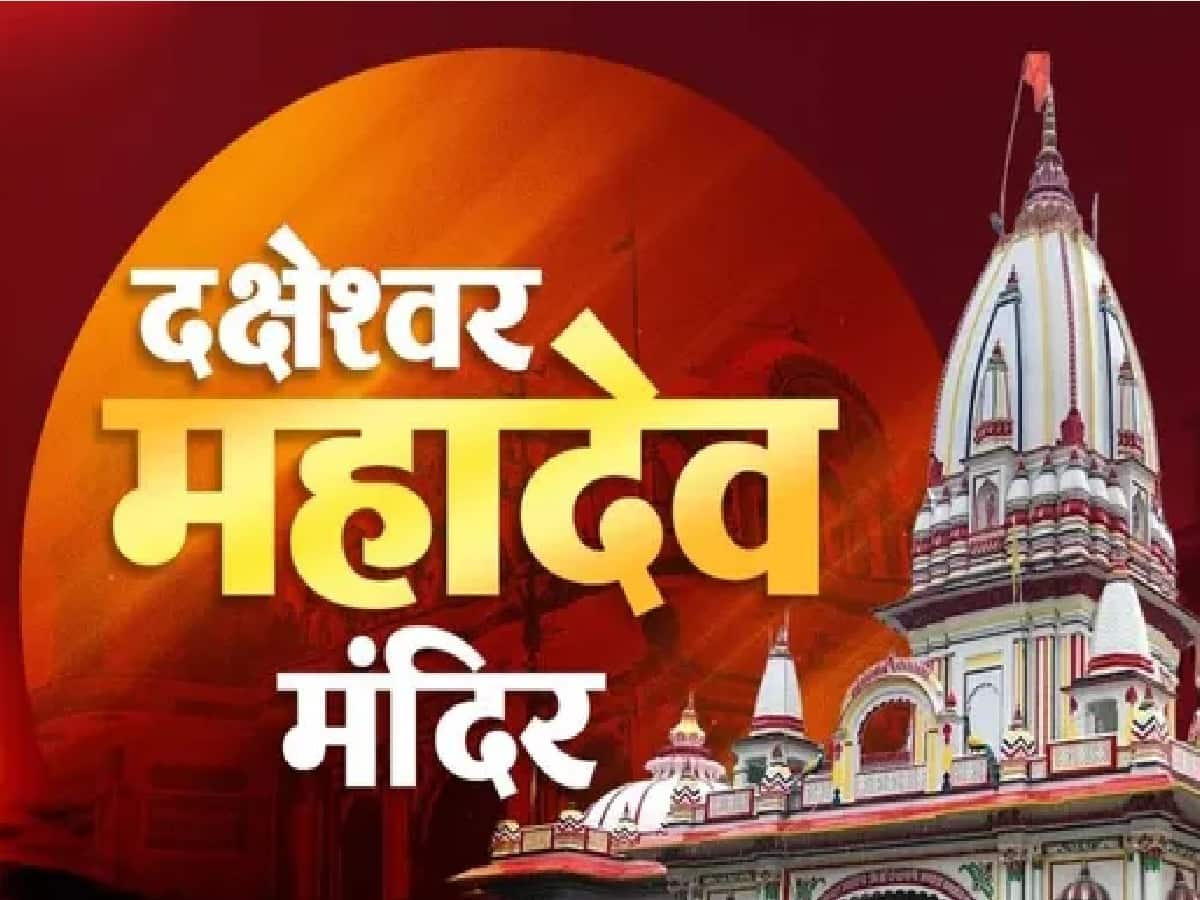
In Sanatan culture, Haridwar of Devbhoomi Uttarakhand is considered the main gate of salvation. According to religious scriptures, when Pitra Dosh is active in the horoscope, the person’s life is constantly surrounded by financial obstacles, family discord, child troubles and mental stress. Many rituals have been mentioned in the Vedic texts for the prevention of this defect, but the Daksheshwar Mahadev Temple located in Kankhal, a holy suburb situated at the southern end of Haridwar, is such a proven and miraculous pilgrimage, where just by darshan and offering Ganga water on Shivalinga, the ferocity of Pitra Dosh is calmed down. During the days of Shraddha Paksha, the spiritual importance of this temple increases manifold, because Mahadev is present here as the savior of his father-in-law King Daksh.
This grand and awakened temple is a true symbol of the immortal love, sacrifice and spiritual dignity of Lord Shiva and Jagajjanani Mata Sati. This holy land of Kankhal is viewed with utmost respect by the devotees of Shiva as well as all the Sanatani people. During Pitru Paksha, thousands of devotees from every corner of the country reach the sacred courtyard of Daksheshwar Mahadev to seek spiritual peace of their ancestors and to remove the effects of Pitra Dosh from their family. It is believed that the Jalabhishek performed here destroys the evil deeds of the ancestors and they go straight to the better worlds.
The present architecture and history of Daksheshwar Mahadev Temple presents a unique confluence of art and faith. Although this place has been considered very sacred since the mythological period of Satyayuga, but its present temple structure was historically constructed in the year 1810 by the queen of the princely state Dhankaur. Queen Dhankaur, recognizing the spiritual importance of this ancient yagya site of Kankhal, built a grand temple in Nagara style, combining carved stones and huge shikhara.
Considering the ravages of time and the impact of Ganga floods, later in the year 1962, the temple complex was renovated on a large scale with the help of Mahanirvani Akhara and local religious leaders. The ancient Swayambhu Shivalinga is installed in the main sanctum sanctorum of the temple complex, where all the wishes of the devotees are fulfilled by doing Sparsh Darshan and Rudrabhishek. The legendary Yagya Kund is still safe within the temple premises, which is considered to be a witness to the self-immolation of Mata Sati. By applying the ashes of this holy pond on the forehead, a person’s sins are eradicated.
Behind the importance of Daksheshwar Mahadev Temple, there is a very poignant and gruesome mythological incident described in Shrimaddevi Bhagwat and Shivpuran. According to the legend, Prajapati King Daksh had performed a huge yagya at Kankhal. King Daksh, blinded by ego, did not invite Trilokinath Lord Shiva to this Yagya and deliberately did not let him escape. When Mother Sati came to know that her father was performing a huge yagya, she requested her husband Devadhidev Mahadev to go there. Lord Shiva clearly warned her that going without invitation would cause insult, but out of love for her father, Mother Sati stubbornly reached the yagya.
On reaching Yajnamandap, Prajapati Daksh used extremely derogatory and harsh words towards Lord Shiva in front of the entire gathering. Mother Sati could not tolerate this gross disrespect of her beloved husband. To protect her dignity and the honor of Shiva, Goddess Sati lit the Yagya fire in the same Yagya Mandap and burnt herself to ashes in the sacred fire of the Yagya. On hearing this news, Lord Shiva became extremely angry at Kailash. The entire universe trembled with the flame of his anger and from his hair he created the fierce forms of Veerbhadra and Bhadrakali.
On the orders of Lord Shiva, Veerbhadra along with his doomed army attacked the Yagya place of Kankhal. The sacrificial fire was destroyed, the gods were punished for their unrighteousness and Veerbhadra severed the head of Prajapati Daksh from his body and burnt it in the fire of the same sacrificial fire. Seeing the uproar in the universe, Lord Brahma and all the other gods praised Mahadev and requested him to appease his anger.
Seeing the humble prayer and repentance of the gods, Karunasagar Mahadev’s heart ached. Lord Shiva granted pardon to King Daksh, but since his original head was burnt in the fire, he was brought back to life by placing the head of a goat (Aj) on King Daksh’s torso. As soon as King Daksh was revived, he fell at the feet of Mahadev and asked for forgiveness and worshiped him with ‘Shiva Mahimna Stotra’. Mahadev was pleased and gave this boon that this place will be famous in the world by the name of ‘Daksheshwar’ and whoever comes here and worships Lord Shiva, all his crimes and the sins of his ancestors will be burnt to ashes.
According to religious beliefs, King Daksh himself is considered the creator and the ruler of the original ancestors of all living beings. When Lord Shiva forgave his father-in-law Daksh’s crimes and granted him salvation and salvation, it was proved that Daksheshwar Mahadev is the supreme presiding deity for freedom from ancestral debt and ancestral defect. This is the reason why the results of offering Tarpan and Pind Daan here during the Pitru Paksha of Ashwin month are considered to be similar to Gaya Tirtha.
During Shraddha Paksha days, devotees take bath in the Ganga in the morning at the holy Har Ki Pauri of Haridwar or Sati Ghat of Kankhal. After this, wearing white clothes, carrying the sacred thread of Kush in his hand and carrying Ganga water, raw cow’s milk, black sesame, barley, honey and Bel leaves in a copper vessel, Daksheshwar performs the ritual anointment of Shivalinga. At the time of Abhishek, ‘Om Namah Shivay’ and Mahamrityunjaya Mantra are continuously chanted. After offering water to the Shivalinga, the devotees circumambulate the ancient Yagya Kund and pray for their known and unknown ancestors. By doing this, the ancestors get peace, the obstacles in the family are removed and happiness, peace and prosperity reside permanently in the life of the seeker.