 look news india

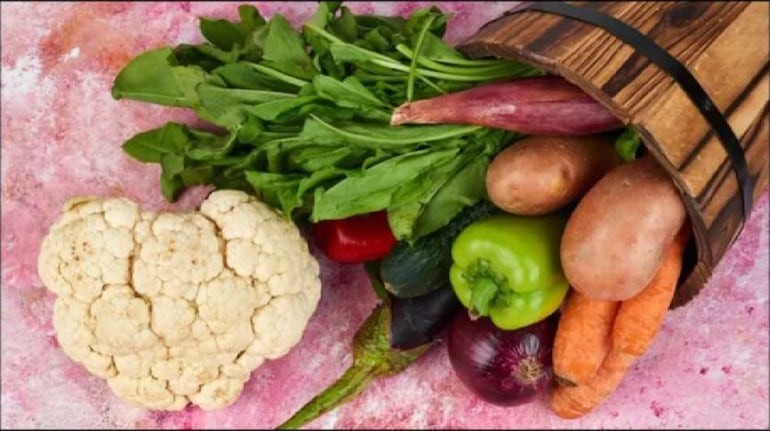
The monsoon season relieves the heat and brings greenery all around, but this season also brings with it a risk of diseases. During this period, water borne diseases, bacterial infections and stomach problems become common. Therefore, it is important to take special care while choosing vegetables in this season. During the monsoon, some vegetables may be a victim of bacteria and fungus, which can damage our health.
Avoid these vegetables in monsoon
Green leafy vegetables
Eating spinach, cauliflower and other green leafy vegetables during the monsoon can be dangerous. Due to moisture, bacteria and germs can flourish easily in these vegetables, causing stomach infections and digestive problems.
Cauliflower and Broccoli
Although cauliflower and broccoli are nutritious, moisture accumulation in these vegetables during monsoon increases the risk of bacteria. These vegetables should be eaten in small quantities or should not be eaten at all.
root vegetables
Rooting vegetables like carrots, radishes and turnips are generally considered safe, but these vegetables absorb more water due to high moisture in the soil during the monsoon. This can make them watery and spoil quickly. Consume these vegetables in small quantities and wash them thoroughly before storage.
mushroom
Mushroom intake should be reduced during monsoon. In the moist environment, fungi and bacteria grow rapidly in mushrooms. In particular, people who have weak immunity or have digestive problems, should be cautious while eating mushrooms, as it can cause digestive problems.
Safe vegetables in monsoon
Safe and nutritious vegetables during the monsoon include gourd family vegetables like pumpkin, gourd, bitter gourd and parwal. These vegetables are easily digested and provide many health benefits. In addition, vegetables growing in land like potato and sweet potato are also safe for eating during monsoon as they have a low risk of bacteria.
How to clean the vegetables?
If you want to use the vegetables mentioned above, then clean them thoroughly and cook them. This will reduce the risk of bacteria. Wash the vegetables with clean tap water. Soak them in salt, vinegar and baking soda solution for 5–10 minutes. Then wash it with clean water.