 look news india

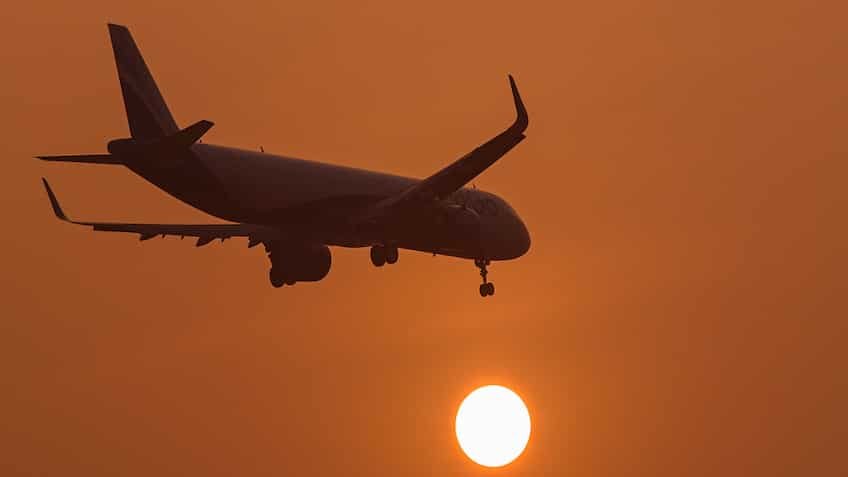
With the beginning of the festive season, a big news of inflation has come out for the aviation sector and common travelers. Oil Marketing Companies (OMCs) have implemented new rates of Aviation Turbine Fuel (ATF) i.e. jet fuel from October 1, 2026. Under the latest amendment, there has been a sharp increase in the prices of aviation fuel, after which the price of ATF for domestic flights has increased from Rs 121.28 to a high of around Rs 137 per liter. This rise in ATF prices has been seen for the second consecutive month amid the rise in global crude oil prices and geopolitical tensions in the Middle East. The increase in cost of aviation fuel is expected to have a direct and major impact on the financial health and operating costs of domestic airline companies.
ATF is not just a common raw material in the Indian aviation industry, but it also constitutes about 35 to 40 percent of the total operating cost of any airline. This sharp increase in fuel prices is a big financial blow for domestic aviation companies like IndiGo, Air India, SpiceJet and Akasa Air. Airlines, already facing engine maintenance, airport charges and fluctuations of the rupee against the dollar, now face a serious challenge to balance their rising expenses. Experts believe that airlines will not be able to tolerate such a huge increase in fuel expenses in their books for long.
The months of October and November are the time of big festivals in India like Durga Puja, Dussehra, Diwali and Chhath Puja. During this period, the number of passengers traveling from metropolitan cities like Delhi, Mumbai, Bengaluru and Kolkata to Bihar, Uttar Pradesh, Jharkhand and North-Eastern states is at its peak. In such a peak travel season, ATF rising to Rs 137 per liter can directly hit the pockets of common travelers. Airlines can increase ‘Fuel Surcharge’ on tickets or increase the base fare by 10 to 15 percent to compensate for this increased fuel cost. This simply means that domestic flight tickets may be more expensive than ever in the upcoming holiday and wedding season.
The state-owned oil companies in India—Indian Oil (IOCL), Bharat Petroleum (BPCL) and Hindustan Petroleum (HPCL)—revise ATF prices on the 1st of every month based on international jet fuel benchmarks and foreign currency exchange rates. The rise in Brent crude oil globally in the last few weeks and increase in refinery margins have resulted in domestic oil companies having to increase the prices of jet fuel. Although the retail prices of domestically used 14.2 kg LPG and regular petrol-diesel have been kept stable, the pressure from the international market has been completely transferred to the commercial and aviation segments.
After the continuous increase in the prices of ATF, the demand from the airline industry to bring aviation fuel under the ambit of Goods and Services Tax (GST) has once again intensified. Currently, various state governments levy a heavy Value Added Tax (VAT) on ATF ranging from 1 to 29 percent, which significantly increases the cost of fuel at every airport. If the Central and State Governments jointly bring ATF into a uniform tax structure under GST, airlines will get the benefit of Input Tax Credit (ITC) and the overall fuel cost will be significantly reduced, the ultimate benefit of which will directly flow to the air passengers booking tickets.