 look news india

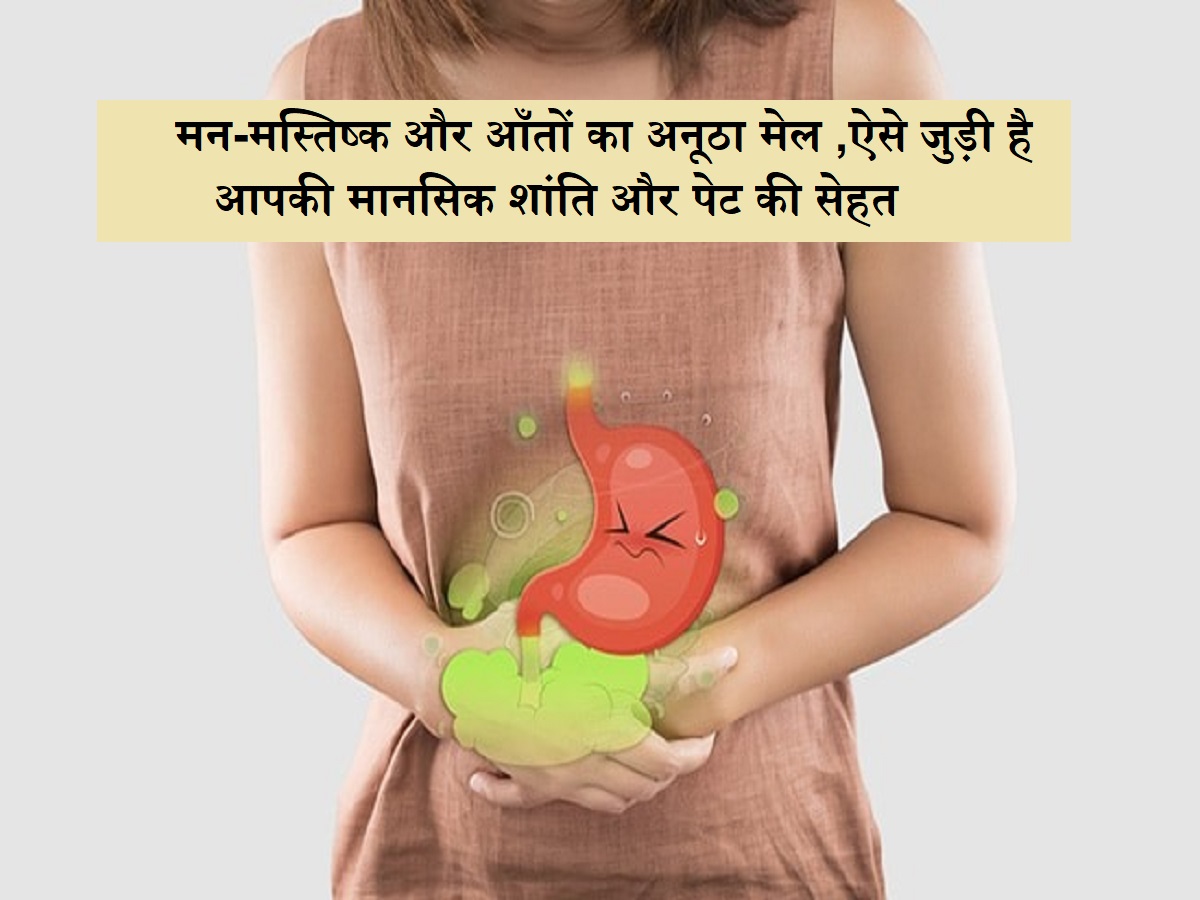
News India Live, Digital Desk: Mental Health: Have you ever felt restless in your stomach in stress or nervousness, or heard that “My stomach is messed up, maybe something is going wrong in the mind”? This is not just a proverb, but a scientifically a certified fact that there is a deep and unbreakable relationship between our brain and our intestines, which is called ‘Gut-Brain Connection’. The intestines are sometimes called the ‘second brain of the body’, and when our mental health deteriorates, its direct effect starts to fall on our digestive system.
When we experience any mental stress, anxiety or depression, our body releases stress hormones. These hormones not only affect our mood, but also directly affect our digestive system. It may be that your intestines become more sensitive, so that you experience abdominal pain, torsion or intestinal cramps. Due to mental disturbance, many people start having digestive problems like irritable bowell syndrome (IBS), acidity, constipation or flatulence, as the brainstorms disrupt the common activities of the stomach.
The main way of this connection is the Vagus Nerve, which sends messages from our brain to the intestines directly and also sends the message back to the mind from the intestines. This nerve is a way the road between the brain and the abdomen. In addition, billions of bacteria live in our intestines, which are called microbiomes of intestines. This microbiom not only helps digest food, but also produces neurotransmitters (joyous hormones), which is directly related to our mood and emotions.
For this reason, if your mental health is not good, then this microbiom is also affected, which can lead to stomach problems. And not only this, this relationship is not unilateral; An unhealthy digestive system can also negatively affect your mental health. Inflammation or unbalanced microbiom in the intestines, can also reduce inflammation in the brain or the production of neurotransmitters, which may cause anxiety, depression, or fatigue.
To improve this two-way relationship, it is important to work together on both mental health and digestive health. Learn to manage stress – it will help in spending time, meditation, deep breathing, and spending time in your favorite tasks. Pay attention to your food, eat fiber-rich foods, fermented foods such as yogurt, buttermilk, and probiotics, which promote healthy bacteria in the intestines. Get enough sleep, and include regular exercise in your routine.
Remember, both healthy mind and healthy stomach are dependent on each other. Therefore, if you are struggling with your digestive problems, do not forget to take a look at your mental health. The balance of these two can lead you to a holistic healthy and happy life.