 look news india

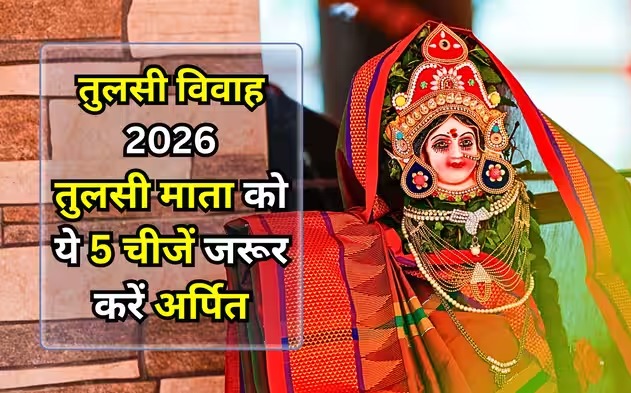
According to the Hindu calendar and religious traditions, the holy festival of Tulsi Vivah will be celebrated this year on Saturday, 21 November 2026, although in many families the customs are also performed according to the coincidence of Devuthani Ekadashi (20 November) or Dwadashi. In this festival, Tulsi Mata is symbolically married to Shaligram Ji, the form of Lord Vishnu and Dwadashi of Shukla Paksha of Kartik month is considered especially auspicious for this. According to the Panchang, Dwadashi Tithi will start at 6:31 am on November 21 and will continue till 4:56 am on November 22, whereas during the evening twilight and Pradosh period, the time around 5:25 pm to 5:52 pm is considered important for worship. Special preparations and enthusiasm for this festival are being seen in homes and temples across the country including Uttar Pradesh’s Kanpur, Lucknow, Prayagraj, Varanasi and Ayodhya.
According to religious beliefs, on the occasion of Tulsi Vivah, by decorating Tulsi Mata like a bride and offering traditional items, happiness, peace in the family and harmony in married life are wished. The first and foremost thing is the red chunri, which is draped over the Tulsi plant with reverence and in many traditions is kept for the protection and auspiciousness of the plant during winters. The second thing is the wedding and makeup material, which includes bangles, bindi, mehndi and vermilion. The third important offering is the belief associated with the Mangalsutra or traditional jewellery, which is offered as a symbol of marital good luck. The fourth thing is Panchamrit made of milk, curd, ghee, sugar and Ganges water, with which the tradition of bathing and worship is carried out, while the fifth thing includes kheer or makhana kheer along with seasonal fruits—like water chestnut, amla, plum or sweet potato—and Tulsi garland and clothes.
After cleaning the courtyard, terrace or place of worship of the house, the Tulsi plant is installed on a pedestal or pot and in many families the pavilion is decorated by planting four sugarcanes all around. Lord Shaligram is made to sit by spreading a yellow cloth on a platform and after bathing with Ganga water and Panchamrit, sandalwood, yellow cloth, flowers and Tulsi leaves are offered. After touching Shaligram ji and performing the ritual of varmala and combining the chunri and clothes, the family members take seven rounds of Tulsi with Shaligram ji and distribute prasad along with Aarti. Care is taken that the tradition of offering sesame seeds or flowers in place of Akshat on Shaligram ji is followed and the flame of the lamp or camphor is kept at a safe distance from cloth or dry leaves.
In cities like Kanpur, Lucknow and Varanasi, with Devuthani Ekadashi and Tulsi Vivah, new splendor is seen in homes and markets. After four months of Chaturmas, the awakening of Lord Vishnu and the celebration of Tulsi-Shaligram marriage is seen as the beginning of marriage, house warming and other auspicious functions. According to the local calendar and family traditions, people perform Sandhya Puja at the auspicious time in the evening, while at many places the process of charity, charity and Parana is completed the next day as per the rules of Dwadashi.
Tulsi Vivah is not just a ritual but also an opportunity to sit with family members and sing auspicious songs, cherish traditions and pay respect to the sacred plant like Tulsi. In religious beliefs, devotion and simplicity are considered paramount, hence every family celebrates this festival according to their capacity and customs. In the coming days, this festival will maintain an atmosphere of faith and joy amidst the preparations for Kartik Purnima and marriage season.