 look news india

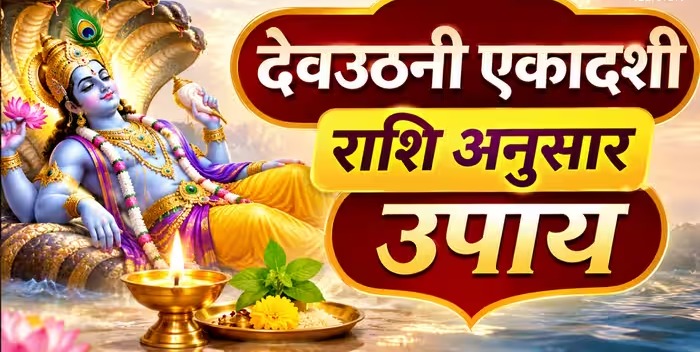
Devuthani Ekadashi of Shukla Paksha of Kartik month is considered very special in Hindu tradition, which is also known as Devutthani Ekadashi and Prabodhini Ekadashi. According to religious belief, on this day Lord Vishnu wakes up from four months of Yoga Nidra and auspicious activities begin with the end of Chaturmas. According to Smarta tradition, this festival is being celebrated on 20th November in the year 2026, whereas according to Vaishnav tradition, the dates and Parana time of fasting and worship are followed on the basis of Panchang. There is special enthusiasm among the devotees regarding the worship of Lord Vishnu, Shaligram and Mata Tulsi and traditional remedies as per the zodiac sign across the country including Kanpur, Lucknow, Prayagraj, Varanasi and Ayodhya in Uttar Pradesh.
In astrology and folk traditions, the belief of offering flowers, Tulsi leaves or naivedya to Lord Vishnu as per one’s zodiac sign on the day of Devuthani Ekadashi and donating to the needy is prevalent. For fire element zodiac signs like Aries, Leo and Sagittarius, there is mention of charity related to yellow or red flowers, jaggery, turmeric or gram pulses along with chanting Vishnu Sahasranama or mantra, while in the context of Jupiter, the lord of Sagittarius and Pisces, importance is given to yellow items and remedies related to Guru. In earth element signs like Taurus, Virgo and Capricorn, traditions related to offering of milk or kheer, donation of moong dal or grains and helping the needy are said. Whereas for Gemini, Libra and Aquarius, offering Tulsi Dal, fragrant flowers, chanting the mantra ‘Om Namo Bhagwate Vasudevaya’ and donating clothes or food are considered auspicious, whereas for Cancer and Scorpio, worship with a calm mind, offering water or milk and helping the needy are considered auspicious.
On the day of Devuthani Ekadashi, along with the traditional mantras to awaken Lord Vishnu, sound of conch-bell and evening worship, the tradition of Tulsi-Shaligram worship and Tulsi marriage is also associated. In many families, in the evening, a parikrama is done by lighting a lamp near the Tulsi plant and praying for happiness, peace and harmony in the house. According to traditional beliefs, on the day of Ekadashi, virtuous conduct, restraint, donation of food or clothes to the needy and recitation of mantras like ‘Om Namo Bhagwate Vasudevaya’ are practiced with devotion. However, astrological and religious remedies are based on faith and tradition, hence they are seen as a medium of harmony, service and introspection rather than any superstition.
Special preparation and enthusiasm for Devuthani Ekadashi is seen in the temples and homes of cities like Kanpur and Lucknow of Uttar Pradesh. After four months of Chaturmas, there is increased activity in markets and homes due to the belief that auspicious time has started for auspicious works, marriages and family events. The fasting devotees follow the rules of Ekadashi and perform Parana at the prescribed auspicious time on Dwadashi tithi the next day, and perform evening puja during twilight or Pradosh period as per the local calendar.
The festival of Devuthani Ekadashi is not limited to special measures or rituals, rather it promotes the spirit of reverence, restraint and cooperation towards the needy. Whether a person does traditional charity according to his zodiac sign or simply worships Lord Vishnu and Mother Tulsi, the main feeling remains peace and positivity. In the coming days, this auspicious occasion along with Tulsi Vivah and auspicious activities will become a means of maintaining new enthusiasm and traditions in the society.