 look news india

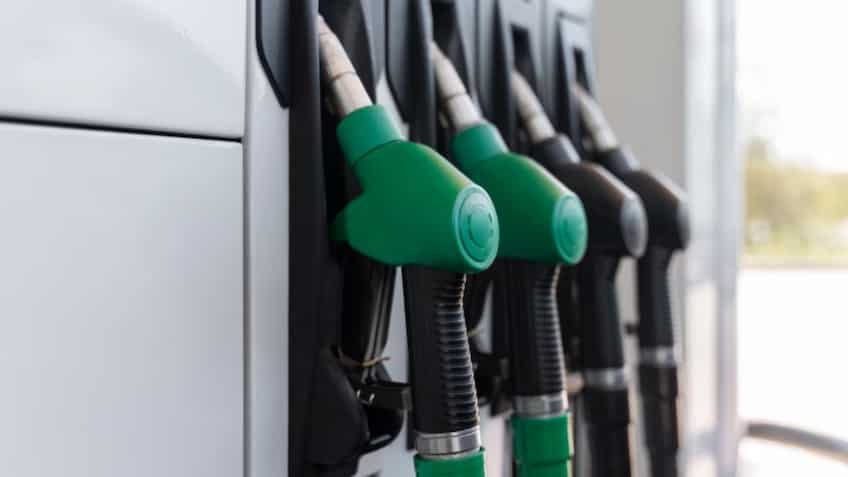
With the availability of E20 (20% ethanol blended petrol) increasing at petrol pumps across the country, a question was arising in the minds of motorists and automobile experts whether the government will further expand this blend in the future. Putting an end to this, Union Petroleum and Natural Gas Minister Hardeep Singh Puri clarified on Tuesday that the Central Government currently has no plan or intention to increase the ethanol blending in petrol by more than 20%. He said that the country has moved rapidly towards the ambitious target of 20% ethanol blending set by the government under the Biofuel Policy. This level of 20% is perfectly balanced in terms of environmental protection, foreign exchange saving and engineering compatibility with the country’s existing vehicle fleet. Therefore, there is no immediate proposal under consideration to exceed this limit.
In recent days, it was being claimed on social media and various forums that the use of E20 petrol is causing engine problems in vehicles, rubber parts melting and a huge drop in mileage. Rejecting these claims, the Union Minister said that about 6 crore vehicles come to petrol pumps across the country every day to get fuel filled. If E20 fuel were causing widespread engine failure, the problem would be widespread on the roads, and not just limited to selective misleading posts on social media. He clarified that all new vehicles manufactured by automobile companies after the year 2023 are completely E20-compliant certified. As far as very old vehicles manufactured before 2003 are concerned, only they may face the problem of optimization of some rubber parts, but for modern BS6 vehicles this fuel is completely safe and certified.
Underlining the economic and national importance of the Ethanol Blending Programme, the Petroleum Minister said that this policy has brought multidimensional benefits to India.
-
Drastic reduction in crude oil imports: Due to mixing up to 20% ethanol in petrol, India has so far produced approx. ₹1.6 lakh crore Saved valuable foreign exchange worth more than Rs. This is the amount which was sent to foreign countries in the form of import bills of crude oil.
-
Money reached the pockets of farmers: Ethanol is produced from sugarcane molasses, damaged food grains, corn and broken rice. The purchase of ethanol by oil marketing companies (OMCs) has led to direct payments of more than ₹1 lakh crore to sugarcane farmers and grain producers in the country, providing an unprecedented boost to the rural economy.
-
Reduction in carbon emissions: Blending ethanol with petrol emits less carbon monoxide and hydrocarbons when burnt, which is significantly helping in controlling air pollution in big cities.
The government also clarified that the 20% limit has been fixed for normal petrol, but for those who want to run on 100% green fuel, the government has already notified rules for ‘Flex-Fuel’ and E100 (100% ethanol). Major automobile manufacturers like Toyota, Tata Motors and Hyundai are rapidly working on models with flex-fuel engines for the Indian market. These vehicles are equipped with special engine technology that can run smoothly on any fuel ratio from normal petrol to 100% pure ethanol without any engine failure.
This statement of the Union Minister has brought great relief to crores of two-wheeler and four-wheeler owners of the country. Drivers no longer need to fear that the government will secretly increase the ethanol content in petrol to 25% or 30% in the coming days, which will cause damage to their existing vehicles. Fixing the limit of 20% will also help the vehicle manufacturing companies to keep their engine design and fuel system stable. The government clearly signals that India is committed to reducing its dependence on imported fossil fuels, but this step will not be taken by ignoring the safety and technical standards of vehicles of common consumers.