 look news india

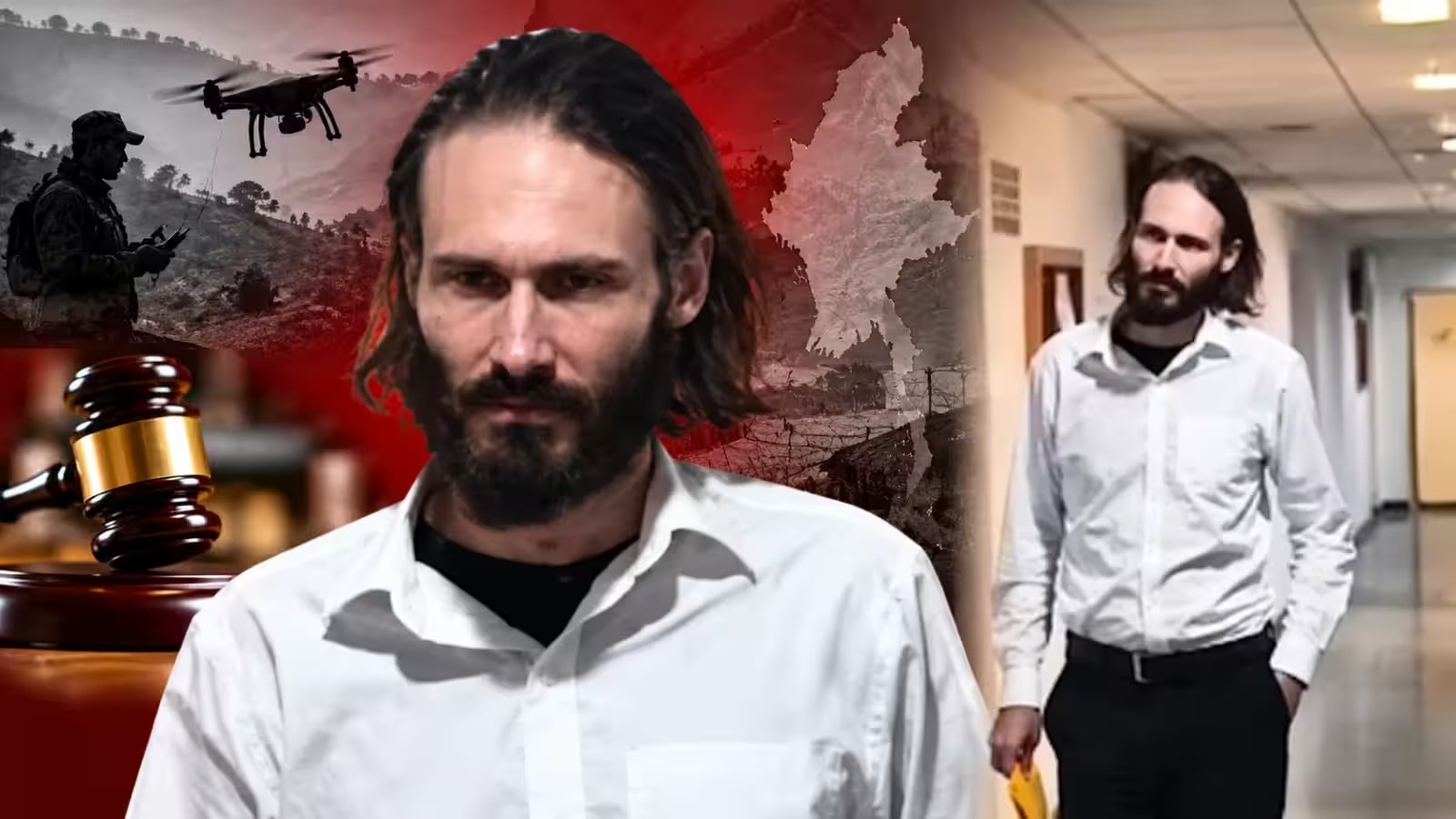
At present, a very shocking and sensational case within the scope of international security and anti-terrorism investigation has reached the special court of the National Investigation Agency (NIA) of India. American citizen Matthew VanDyke, the main accused in the secret rebel training camps running inside Myanmar and training the armed groups there in advanced drone warfare, has finally returned from America to the clutches of India and NIA. His much-awaited appearance in the special NIA court in Delhi has created a stir in Asian and Western diplomatic circles. This matter is also very important for the security agencies of India because such foreign interference and arms smuggling in the states of North-Eastern India bordering Myanmar has a direct impact on national security.
Matthew VanDyke has long been known for his activism in international media and war zones. VanDyke, an American filmmaker, former documentary maker and self-proclaimed ‘volunteer soldier’, is facing serious allegations that he has given special training in military tactics, use of weapons and modern drone warfare to various insurgent and extremist organizations operating in Myanmar. Indian intelligence agencies and the NIA have strong digital and documentary evidence that VanDyke not only provided strategic guidance to these groups operating across the border, but also helped in enhancing their combat capabilities through modern technology and drone equipment. Amidst the ongoing civil war in Myanmar, the involvement of such external foreign elements has given sleepless nights to the governments of Asian countries.
As soon as Matthew VanDyke entered the Indian border and came on the radar of NIA, the agency followed the legal process and produced him before the concerned special court. During the hearing held in the court room, NIA lawyers told the court that this case is not limited to just one person, but its links may be linked to international arms smugglers, secret funding networks and many banned organizations. The main objective of the agency is to find out what big forces were working behind VanDyke and from where he was getting financial help to run training camps in the jungles of Myanmar. Considering the seriousness of the case, the court has given permission to NIA to conduct extensive interrogation and forensic examination of digital devices, which is expected to make many big and shocking revelations in the coming days.
India’s north-eastern states (particularly Manipur, Mizoram and Nagaland) share borders with Myanmar, and have experienced persistent unrest over the past few years. The way advanced drone technology and modern weapons are being used by Myanmar’s rebel groups has greatly increased the concern of Indian security agencies and the army. If such insurgent groups are trained in modern warfare skills by foreign trainers, it poses a direct threat to the security of Indian border areas. The NIA is looking for clues as to whether the people who had access to these training camps or were trained by them were also in contact with Indian militant organizations. The Government of India has always adopted a policy of ‘zero tolerance’ regarding the security of its borders and any foreign conspiracy in this matter will not be tolerated.
Such a serious criminal and national security related case going on in India against an American citizen and his appearance in the NIA court is a major turning point in bilateral relations and also in terms of international diplomacy. The US Embassy and human rights organizations are keeping a close eye on this entire incident, but Indian investigative agencies have made it clear that anyone who compromises the sovereignty and internal security of the country will be brought to justice. As the hearing of this case progresses in the coming weeks, many more deep secrets of the secret military camps and drone networks running in the forests of Myanmar will be exposed, which will prove to be a major milestone in the geopolitics of South Asia.