 look news india

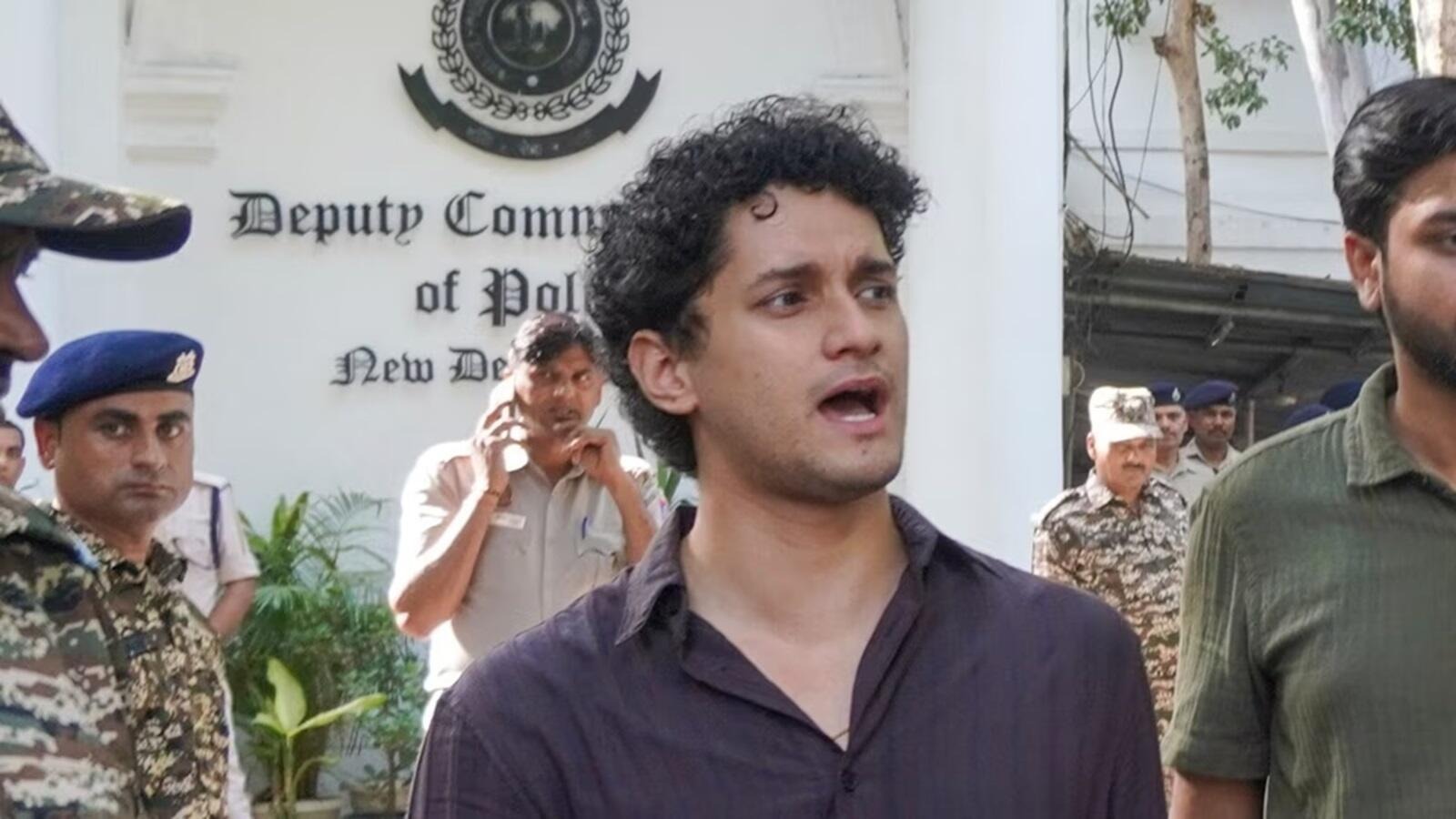
The excitement in the political and administrative circles of the capital Delhi intensified when the rights organization ‘Citizens for Justice and Peace’ (CJP) handed over a strict and clear 24-hour ultimatum to the top officials of Delhi Police. The long-running administrative tussle over permission to organize a peaceful protest at a historic and traditional protest site like Jantar Mantar has now taken the form of a legal and public debate. CJP alleges that under the protection of democratic rights and freedom of expression of citizens, it is the fundamental right of every citizen to raise their voice within the constitutional ambit, but despite repeated applications, the permission is neither being clearly rejected nor positively decided by the Delhi Police. After this sharp ultimatum, the pressure on the police administration has increased considerably and the eyes of the entire country are on whether the police sets a fixed date and time for the protest at Jantar Mantar in the next twenty-four hours or the matter moves towards a legal conflict.
Article 19 of the Indian Constitution provides complete freedom to citizens to assemble peacefully and express their views. Jantar Mantar has always been a major center for farmers, students, celebrities, social workers and common citizens across the country to convey their demands to the government. CJP says that in any democratic system, the right of citizens to protest cannot be suppressed through administrative red tape or arbitrary restrictions. The question has been raised by the organization that when all the necessary formalities have been completed and full assurance of peaceful protest is being given, then why is there repeated reluctance in fixing the date and time. The challenge before Delhi Police is how it balances the security of law and order and the fundamental rights of the citizens. Security agencies argue that a detailed security review is necessary before every performance to control VIP movement, traffic management and possible crowd control, but the frequent delays have caused widespread anger among social organisations.
This 24-hour ultimatum of CJP has given sleepless nights to the officials of Home Ministry and Delhi Police Headquarters. Senior officials and legal advisors of the organization have made it clear that if the permission, time and date for the demonstration at Jantar Mantar are not officially confirmed by the police administration within the stipulated time frame, then they are fully prepared to approach the judiciary. Over the past few months, rules for public demonstrations within the capital have been further tightened, causing small organizations or human rights groups to face enormous administrative barriers to making their point. Analysts believe that this type of ultimatum not only creates pressure on the administration, but it also highlights the awareness of citizens towards administrative transparency and protection of democratic values.
This entire controversy has once again revived the debate as to how safe is the space to express dissent in modern democratic India. Many other civil society organizations and lawyers have also openly supported this move of CJP. He says that the process of granting permission for protests should be transparent and time bound so that no citizen has to go to the courts to exercise his constitutional rights. Now all eyes are on the next step of Delhi Police whether they respond to this ultimatum and take any positive decision regarding the protest at Jantar Mantar or whether this matter will be resolved in the court.