 look news india

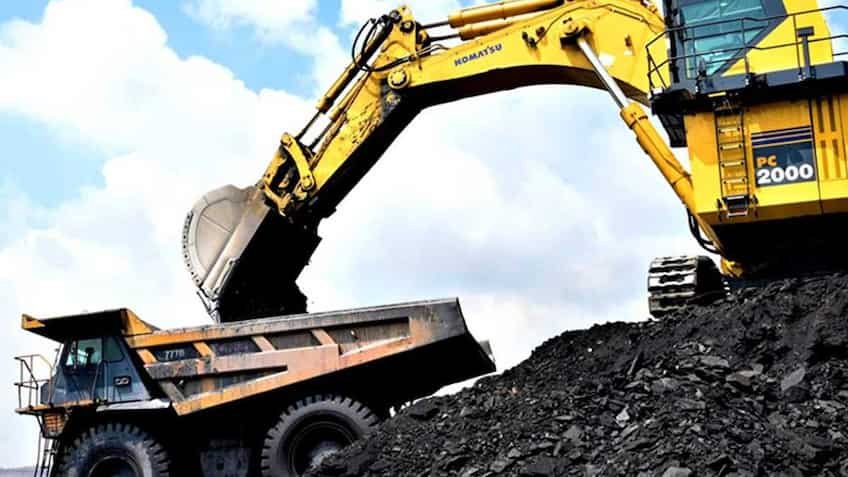
The Central Government has clarified its position on the shortage of coal in thermal power plants across the country and the deepening fears of blackout or power crisis in the upcoming festive season. The Union Coal Ministry has released official figures, completely rejecting all these speculations and negative reports. According to the ministry, there has been a strong jump of about 36 percent in the daily coal supply to the power sector in the month of October compared to the low level of September. The supply, which was affected in September due to water logging in mines and heavy rains during the monsoon, is now rapidly back on track. Due to uninterrupted fuel transportation through railways, roads and other logistics means, the fuel situation in the country’s power plants is becoming completely stable. The government says that there will be no interruption in power generation and during the festive season, the general public and industries will continue to get uninterrupted power 24 hours a day.
According to the official data released by the Coal Ministry, the pace of depletion of coal reserves kept in the yards of power plants has slowed down considerably. During the month of September, when the demand for electricity was at its peak and the supply was disrupted due to rain, an average of 2.43 lakh tonnes of coal was being consumed per day from the total stock of power plants. In October, this depletion rate has fallen to only 1.16 lakh tonnes per day. This simply means that the daily depletion in reserves has now reduced to less than half. Although the Ministry has clarified that the rebuilding of the total inventory stock of coal in power plants has not yet started completely, but the gap between supply and consumption is almost on the verge of closing. As soon as the production from the mines reaches full capacity, the buffer stock in the plants will start accumulating rapidly.
Indian Railways has fully activated the freight network to deliver coal to power plants on time. In the month of October, Railways is operating an average of more than 465 coal rakes per day. The ministry said that logistics coordination has been so strong that the ambitious target of sending 470 rakes of coal per day for three consecutive days was successfully achieved. Apart from rail routes, transportation from mines to pithead plants of Coal India and its subsidiaries has also improved through roadways and dedicated conveyor belt system (MGR). The Joint Coordination Committee of the Coal Ministry, Railway Ministry and Energy Ministry is monitoring the coal stock of sensitive power plants and the movement of trains every hour, so that there is no shortage of fuel at any station.
In recent days, the government has given a detailed technical clarification on the uproar created in several media reports over some power plants being shown in the ‘critical coal stock’ category. The Ministry clarified that putting a thermal power plant in the ‘critical’ list does not mean that coal has been completely exhausted there or the units are going to be closed. In fact, under the rules of Central Electricity Authority (CEA), a minimum normative stock of 15 to 25 days is fixed for every plant according to its geographical distance. When a plant has fewer days of stock left than the prescribed standard, the system automatically marks it in the early-warning critical category. Its main objective is to alert the Ministry of Power and Railways so that additional rakes can be immediately diverted for that particular plant. It is completely misleading to consider this a real fuel crisis or plant shutdown.
The months of October and November are the time of lights and festivals for the entire country including Uttar Pradesh, Delhi-NCR, Bihar, Punjab and Haryana. During the festivals of Karva Chauth, Dhanteras, Diwali and Chhath, the domestic electricity consumption as well as the peak demand of electricity in markets and commercial hubs increases rapidly. There is additional pressure on the power grid of Uttar Pradesh capital Lucknow, Kanpur, Varanasi, Noida and Ghaziabad during this period. Regular arrival of coal rakes has been ensured in major thermal power plants of the state—such as Anpara, Obra, Harduaganj and Pariksha Thermal Power Stations. After this latest assurance from the government and 36 percent increased supply, it has been decided that there will be no load shedding due to grid tripping or shortage of coal during the festive season and the country’s industrial and domestic production will continue at full speed.