 look news india

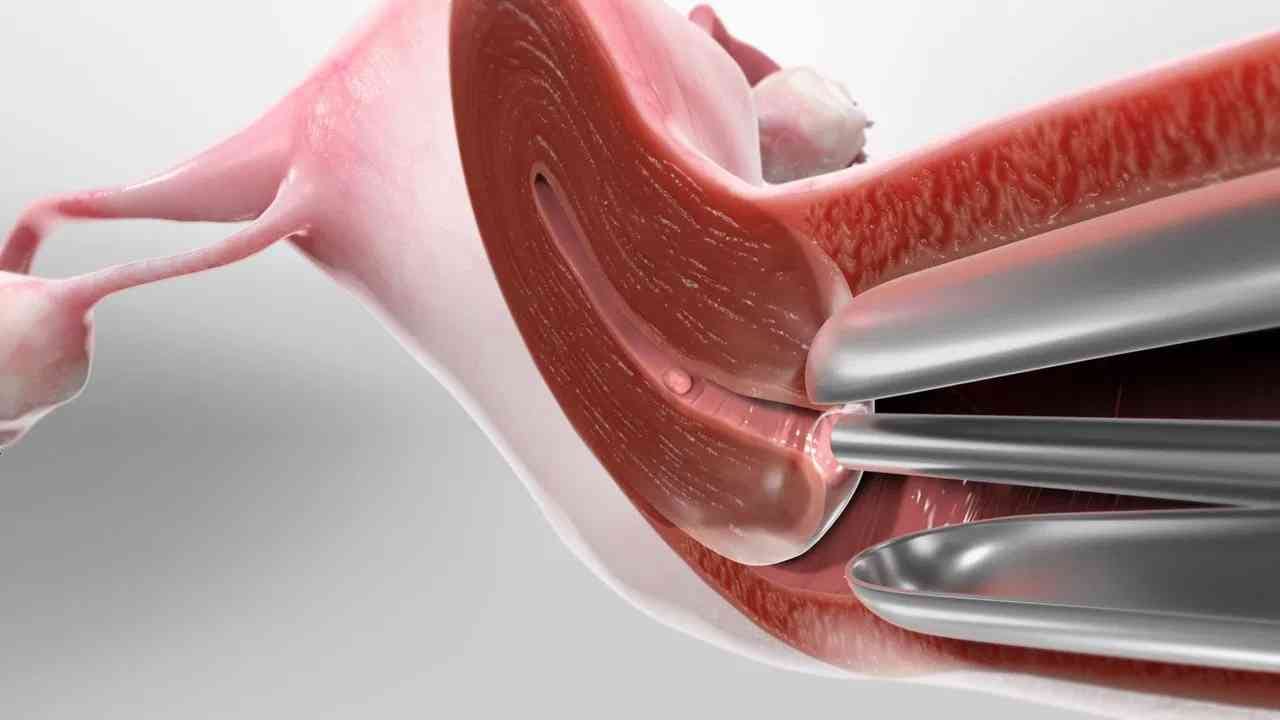
A 26-year-old young man, unable to conceive even after two years of marriage, went to the doctor. During the infertility test, the doctor was surprised to see the report. Visually, the body of this young man was exactly like that of a normal man, but structures like uterus and fallopian tube were present. Investigation revealed that both his testicles were not in their normal position.
According to doctors, this is an extremely rare congenital condition called ‘Persistent Mullerian Duct Syndrome’ (PMDS). In this condition, the chromosome structure of the individual is 46XY and the body develops as a male, but structures such as the uterus and fallopian tubes remain in the body. Less than 300 cases of PMDS have been reported globally.
A shocking truth came to light in the investigation
Hormone tests showed normal levels of testosterone, FSH and LH. However, no sperm were found in the semen. After this the doctor got MRI done. This test showed structures such as the uterus and fallopian tubes. Further chromosome testing revealed 46,XY. This condition had previously gone unnoticed because the patient had physical characteristics associated with normal male sexual development.
How is the uterus maintained in a man’s body?
Hormones and chromosomes play an important role in the sexual development of the baby in the womb. Normally, testicles develop in fetuses with 46,XY chromosomes. The testes produce ‘anti-Mullerian hormone’ (AMH). This hormone inhibits the formation of internal reproductive organs such as the uterus and fallopian tubes. However, in PMDS, due to insufficient production of this hormone or its message not being properly understood by the body’s cells, structures such as the uterus and fallopian tubes may remain intact in the body.
These were not ovaries, but testicles
The patient’s uterus and fallopian tubes were present; However, there were no ovaries. Instead, there were testicles on both sides. Under the influence of testosterone, her external genitalia developed like those of men, and she also had the normal physical characteristics associated with men. Doctors remove structures like the uterus and fallopian tubes through laparoscopic surgery. The test also found changes in one testicle that could lead to cancer. Therefore, surgery was necessary.
What will life be like after surgery?
The patient returned to work approximately seven days after surgery. However, removing the testicles will affect the body’s natural testosterone production. Therefore, as per the doctor’s advice, he has to take testosterone therapy regularly. The doctor explained that having PMDS does not mean that the person’s external body looks like a woman or that he has menstruation.
PMDS is a very rare condition.
In PMDS the uterus and fallopian tubes may be present in the body; However, they do not function like normal female reproductive organs and pregnancy is not possible. This condition is very rare and is often discovered during infertility testing or due to the testicles not descending.
According to experts, it is important to consult a doctor in time without ignoring any abnormal changes in the body. Especially if there are problems like undescended testicles and infertility, proper investigation is necessary.