 look news india

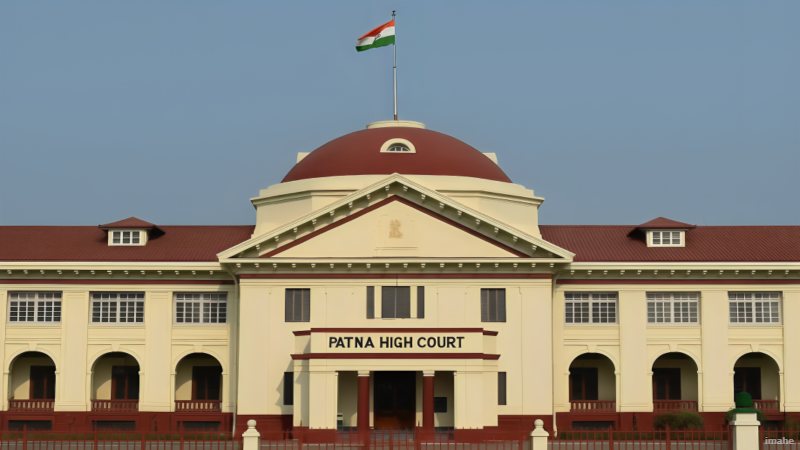
In the Indian judicial system, many types of legal disputes often arise regarding the jurisdiction between the judiciary and the administrative officers, but when a case is directly related to contempt of court and the rights of lawyers, then it becomes a topic of discussion in the entire administrative corridors. One such high-profile case came to light from Madhepura district of Bihar, where there was a standoff between the district administration and a local lawyer. A contempt notice was issued to the concerned advocate by the District Magistrate (DM) of Madhepura, which was being considered as a strong step of administrative action. But this matter took a new turn when this legal battle reached the doorstep of Patna High Court. Patna High Court, after hearing the entire matter in depth, completely rejected and canceled the disputed notice issued by Madhepura DM. This decision of the High Court is being considered as a major legal curb on the arbitrary attitude of administrative officials.
This entire legal dispute started when a difference of opinion arose between a local lawyer and the district administration during administrative work and judicial or legal processes in Madhepura district. The argument of the administrative officials was that the lawyer had violated administrative orders or rules during his professional conduct, on the basis of which the District Magistrate’s office served a notice of contempt to the concerned lawyer. This contempt notice being issued directly to a lawyer by an administrative officer had sparked widespread anger among the local bar association and lawyers. The lawyers clearly believed that no administrative officer can take such arbitrary action directly within the scope of judicial process or contempt, as it is a direct attack on the right of the advocates to represent their clients independently. After this incident, resentment against the administration increased among the lawyers of the entire district and the matter reached the court.
When this matter came to the notice of Patna High Court, the court took a very serious stand on it. The judges of the High Court listened very closely to the arguments of both sides and reviewed the scope of administrative powers. During the hearing, the court found that the contempt notice issued by the District Magistrate of Madhepura does not meet the test of legal provisions and principles of justice. The High Court said in clear words that administrative officers should work within the ambit of law and Constitution and they do not have unlimited power to issue such notices which hinder the independent work of an advocate. The court completely canceled the order of Madhepura DM considering this process as legally flawed. As soon as this decision came, there was a wave of happiness in the lawyers’ community and it was seen as a major victory for the independence of the judiciary and the respect of lawyers.
This famous case of Madhepura has once again underlined how important mutual coordination and decorum is between the district administration and the people associated with the justice system (lawyers and judges) in the democratic structure of the country. Whenever the administration tries to exercise its rights beyond the scope of law, the high courts of the country come forward as the guardians of the Constitution and protect the rights of citizens and lawyers. This decision has also given a clear message to the administrative department that they should work within their limits. Lawyers’ organizations have welcomed this historic decision of the Patna High Court and called it a strong shield for the dignity and security of lawyers. After the end of this legal drama, there is talk in the administrative circles of Madhepura that the authorities will have to be more careful to avoid such conflicts in future.